
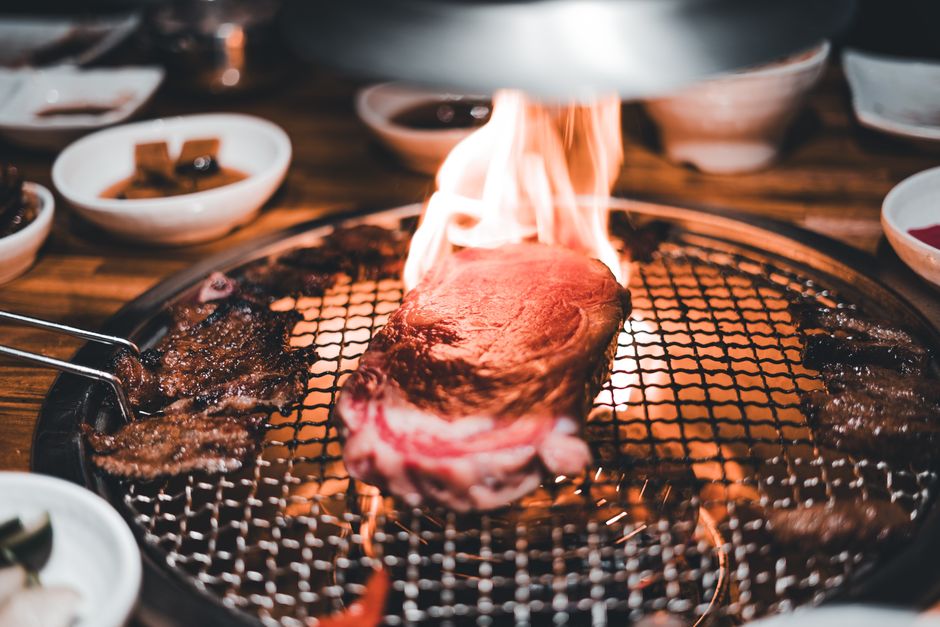
Broiling is a high-heat cooking method that uses direct radiant heat from above. The temperature inside a broiler typically reaches between 500°F and 550°F (260°C to 288°C), though most home ovens simply have a “Broil On” setting rather than a specific number. This intense heat is what gives food a browned, caramelized crust quickly, similar to grilling but with the heat source flipped.
What Temp Is Broil on My Oven?
Most home ovens do not let you set a precise temperature for broiling. Instead, they offer a simple on/off switch, sometimes with a “High” and “Low” option. When you turn the broiler on, the heating element at the top of the oven glows red hot and radiates heat downward.
The actual air temperature inside the oven cavity during broiling is generally around 500°F to 550°F. The surface of the food itself absorbs this radiant energy and can reach similar temperatures quickly. The key point is that the food is cooked by direct radiation, not by hot air circulating like in baking.
Some newer ovens include a “Broil” temperature setting, allowing you to choose a number. In these models, temperatures usually range from 450°F to 550°F. If your oven has this feature, the lower end is better for thicker cuts of meat that need more time to cook through without burning on the outside.
High Broil vs. Low Broil: What Is the Difference?
Ovens with a “High/Low” broil option are adjusting the intensity of the heat, not necessarily the temperature. High broil delivers full power to the heating element, keeping it red hot at all times. Low broil cycles the element on and off, which reduces the overall heat reaching the food.
This distinction matters for cooking control. High broil is best for thin foods that cook quickly, like fish fillets, shrimp, or sliced vegetables. Low broil is better for thicker items like chicken breasts, pork chops, or casseroles that need gentler heat to cook through without charring the top.
Think of it as the difference between a direct flame and a moderated flame. The physical temperature of the element is the same, but the amount of energy transferred to the food over time is lower on the low setting. This allows the interior of thicker foods to catch up with the browning exterior.
How Hot Does the Broiler Element Get?
The electric heating element itself can reach temperatures significantly higher than the air around it. The metal coil can glow bright orange to red, indicating surface temperatures that can exceed 1000°F (538°C). However, the food is never exposed to that full temperature because the heat must travel through the air, which cools it.
The distance between the food and the element is the biggest factor in how much heat reaches the food. Most ovens have a broiler pan that sits 3 to 5 inches below the element. If you move the rack lower, you reduce the intensity of the heat. If you move it higher, you increase it. This distance adjustment gives you more control than the temperature setting itself.
Gas ovens work differently. In a gas oven, the broiler is usually a separate drawer below the main oven cavity, or it uses a gas flame at the top. The flame temperature can reach around 3000°F (1650°C) at the point of combustion, but again, the food is positioned several inches away. The cooking result is similar, but the heating pattern can be less even than an electric element.





Why Is Broiling Temperature Different from Baking?
Baking relies on hot air surrounding the food to cook it evenly from all sides. The air temperature in a baking oven is typically between 300°F and 425°F. Broiling uses radiant heat from a single source, which is far more intense and direct.
This difference changes how food cooks. Baking heats food slowly and gently, allowing the interior to cook while the exterior stays relatively soft. Broiling heats the surface intensely, creating a crust before the interior has a chance to cook. This is why you can broil a thin fish fillet in under 5 minutes, while baking the same fillet takes 15 to 20 minutes.
The high surface temperature also triggers the Maillard reaction, the chemical process that creates the brown, savory crust on seared meat. This reaction begins around 285°F (140°C) on the food’s surface. Broiling reaches this temperature quickly, which is why it is an effective way to get grill-like results indoors.
How Long Should You Broil Food?
There is no single time that works for all foods. The thickness of the food, the distance from the heat source, and the desired level of doneness all affect cooking time. A general rule is that thin items like fish fillets or asparagus need 3 to 6 minutes per side. Thicker cuts like chicken breasts or pork chops may need 8 to 12 minutes per side.
Watch the food closely. Broiling is fast, and food can go from perfectly browned to burnt in under a minute. It is common practice to leave the oven door slightly ajar when broiling to monitor progress and prevent the oven from cycling off on its internal temperature limit. This is not necessary for all ovens, but it is a technique many home cooks use.
For thicker meats, it is wise to use an instant-read thermometer to check the internal temperature rather than relying on time alone. The USDA recommends cooking poultry to an internal temperature of 165°F (74°C), ground meats to 160°F (71°C), and whole cuts of beef, pork, and lamb to at least 145°F (63°C) with a rest period. These are safety guidelines, not flavor preferences.
Common Mistakes When Broiling
The most common mistake is leaving the food too close to the heating element and burning the outside before the inside cooks. This happens frequently with thick cuts. The solution is to lower the rack or switch to the low broil setting.
Another mistake is not preheating the broiler. While the oven does not need a long preheat like baking, giving the element 5 to 10 minutes to get fully hot ensures even browning from the start. If you place food in a cold oven, the initial cooking is slower and less predictable.
Using the wrong pan is also a problem. A standard baking sheet can warp under the intense heat of a broiler. A dedicated broiler pan is designed to withstand high temperatures and has slots that allow fat to drain away. If you use a regular pan, make sure it is oven-safe to at least 550°F to avoid damage or warping.
Frequently Asked Questions
What temperature is a high broil?
High broil typically operates at around 550°F (288°C) at the heating element. The food itself cooks through a combination of radiant heat and surface browning.
Can I set my oven to 450 degrees to broil?
If your oven has a broil temperature setting, 450°F is a valid option for thicker foods that need slower cooking. If your oven only has a simple on/off broil, you cannot adjust the temperature, but you can move the rack further from the element to reduce heat intensity.
How close should food be to the broiler?
Most broiler pans sit 3 to 5 inches below the heating element. For thin foods that cook quickly, the top rack position works well. For thicker foods, move the rack down one position to allow more time for the interior to cook.
Is broiling the same as grilling?
Both methods use intense radiant heat to brown food quickly, but grilling has the heat source below the food and broiling has it above. The cooking results are similar, though broiling allows fat to drain away rather than dripping onto hot coals or burners.
