
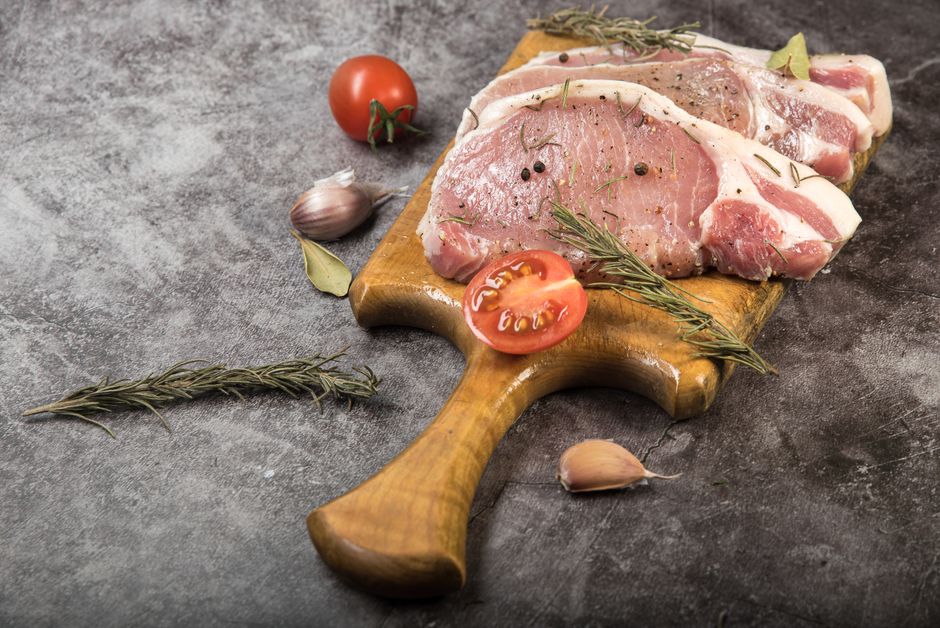
Pork chops need to reach an internal temperature of 145°F (63°C) as measured by a food thermometer placed in the thickest part of the meat. This is the official safe cooking guideline from the USDA. After reaching 145°F, let the pork chop rest for three minutes before cutting or eating. This temperature gives you a safe chop that is still juicy and not dried out.
Why Is 145°F the Right Temperature for Pork Chops?
The USDA changed its recommendation from 160°F to 145°F in 2011. This was based on updated research about trichinosis, the parasite people used to worry about in pork. The old fear of undercooked pork came from a time when pig farming was different and trichinosis was a real risk.
Modern farming practices have nearly eliminated trichinosis in commercially raised pork. The CDC reports that fewer than 15 cases of trichinosis are reported each year in the United States. Most of those come from wild game like bear meat, not from farmed pork.
The three-minute rest after reaching 145°F is critical. During this time the internal temperature stays steady or rises slightly. This sustained heat kills any remaining bacteria. Skipping the rest means you are eating pork that is technically under the safety threshold.
What Does the Research on Pork Chop Temperature Show?
Research published in the Journal of Food Protection has shown that holding pork at 145°F for three minutes achieves the same level of pathogen reduction as cooking it to 160°F instantly. The science is about time and temperature together, not temperature alone.
A study from Kansas State University found that pork cooked to 145°F and rested properly had no detectable levels of harmful bacteria. The same study showed that pork cooked to 160°F was safe but significantly drier and less palatable. The higher temperature causes more moisture loss from the meat fibers.
Food safety experts at the USDA and the Food Safety and Inspection Service endorse 145°F as the safe minimum. They base this on the same thermal death time calculations used for other meats. The standard is not arbitrary — it is mathematical.
| Cooking Method | Target Internal Temp | Rest Time | Result |
|---|---|---|---|
| Grilled | 145°F (63°C) | 3 minutes | Juicy with seared crust |
| Pan-seared | 145°F (63°C) | 3 minutes | Golden brown exterior |
| Baked | 145°F (63°C) | 3 minutes | Evenly cooked throughout |
| Sous vide | 140°F (60°C) | At least 1 hour | Very tender, slightly pink |
How Do You Measure the Temperature of a Pork Chop Correctly?
You need an instant-read digital thermometer. Dial thermometers are slow and often inaccurate. A digital probe gives you a reading in under five seconds. This is the only reliable way to know if your pork chop is done.
Insert the thermometer into the thickest part of the chop. Avoid touching bone because bone conducts heat differently and gives a false reading. If the chop has a bone, aim the probe into the center of the muscle meat.
For thin pork chops under one inch thick, the temperature rises fast. Check earlier than you think you need to. A thin chop can go from 140°F to 160°F in less than a minute on high heat. By the time you see the outside is done, the inside may already be overcooked.
For thick pork chops over one and a half inches, use a leave-in probe thermometer. This lets you monitor the temperature without opening the oven or grill constantly. Every time you open the heat source, you add cooking time and unevenness.

What Happens If You Cook Pork Chops to the Wrong Temperature?
Cooking pork chops below 145°F without proper time at temperature increases the risk of foodborne illness. The main concern is not trichinosis anymore but bacteria like salmonella and yersinia. These are more common in pork than the old parasite.
Cooking pork chops above 150°F starts to dry them out. At 160°F the meat is noticeably tougher and less juicy. At 170°F the chop is often described as shoe leather. The muscle fibers tighten and squeeze out moisture as temperature rises past 150°F.
The pink color of cooked pork is not a reliable safety indicator. Some pork stays pink even at 160°F due to the way the meat was processed. Some pork turns brown at 140°F. Color tells you nothing useful about safety. Only the thermometer tells the truth.
Some people report that pork chops cooked to 145°F still look slightly pink near the bone. This is normal and safe. The myoglobin in the meat near the bone takes longer to change color. If the thermometer reads 145°F, it is safe regardless of color.
What About Cooking Pork Chops to 140°F or Lower?
This is widely claimed among some chefs and home cooks who want extra juiciness. Strong evidence is limited for safety at temperatures below 145°F for standard cooking methods. The USDA does not endorse any temperature below 145°F for conventional cooking.
Sous vide cooking is an exception. Cooking pork at 140°F in a water bath for one to four hours achieves the same safety level as 145°F for three minutes. The longer time at a lower temperature compensates for the lower heat. This is called pasteurization by time and temperature.
If you are not using sous vide, do not try to cook pork chops below 145°F. The heat transfer in an oven or pan is not consistent enough to guarantee safety at lower temperatures. The risk is not worth the small gain in moisture.
Common Misconceptions About Pork Chop Temperature
One common myth is that pork must be cooked until well done with no pink inside. This comes from older generations who grew up with the 160°F rule. The science has changed. The USDA changed its guidelines over a decade ago. Pink pork at 145°F is safe.
Another myth is that resting the meat is optional. Many people skip the three-minute rest because they are hungry or in a hurry. The rest is not about flavor or tenderness alone. It is a safety step. The sustained heat during rest is part of the pathogen kill calculation.
Some people believe that a thermometer is unnecessary if you know how to cook by feel or time. This is not accurate. Pork chop thickness varies. Oven temperatures vary. Pan heat varies. The only way to know the internal temperature is to measure it directly.
- Always use a digital instant-read thermometer for accuracy
- Insert the probe into the thickest part away from bone
- Let the chop rest for three minutes after reaching 145°F
- Do not use color or juice color to judge doneness
- Thin chops cook fast — check temperature early
Does the Type of Pork Chop Affect the Target Temperature?
Bone-in and boneless pork chops both need to reach 145°F internally. The bone does not change the safety requirement. It only changes how you measure the temperature because you must avoid the bone with the probe.
The thickness of the chop affects cooking time but not the target temperature. A half-inch thin chop and a two-inch thick chop both need 145°F. The thin chop will reach that temperature in minutes. The thick chop may take twenty minutes or more depending on the cooking method.
Pork chops from different parts of the loin cook differently but the safety standard is the same. A rib chop and a sirloin chop both need 145°F. The difference is in fat content and tenderness, not in safe temperature.
Frequently Asked Questions
Can pork chops be pink at 145°F?
Yes. Pink color near the bone or in the center is normal and safe at 145°F. Color is not a reliable indicator of doneness.
Is 145°F safe for thin pork chops?
Yes. Thin pork chops are safe at 145°F as long as you measure the temperature in the thickest part and let them rest for three minutes.
Do I need a special thermometer for pork chops?
Any digital instant-read thermometer works well. Dial thermometers are slower and less accurate so they are not recommended.
Can I eat pork chops at 140°F if I sous vide them?
Yes. Sous vide pork at 140°F is safe if held at that temperature for at least one hour. This is not safe for conventional cooking methods.
