
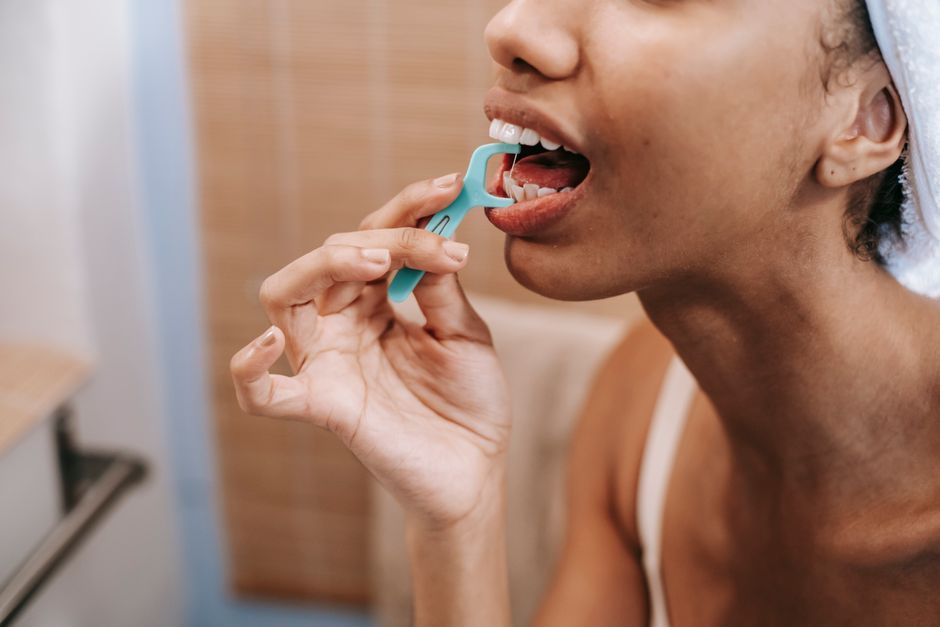
Flossing your toddler’s teeth is a skill you can master with a gentle approach and the right tools. Start when any two teeth touch each other, usually around age 2 or 3. Use a soft floss pick designed for small mouths, slide it gently between the teeth in a C-shape against each tooth, and move it up and down. Do this once a day, preferably at bedtime after brushing. Stay calm, make it a game, and do not force it if your child resists strongly—consistency over time matters more than a perfect technique on the first try.
Why Should You Floss Your Toddler’s Teeth?
Brushing alone cannot reach the tight spaces between teeth. Plaque builds up there and can lead to cavities even before permanent teeth arrive. Baby teeth hold space for adult teeth, so keeping them healthy is important for long-term oral health. Flossing removes the plaque that a toothbrush misses, especially where teeth are close together. Some research suggests that flossing in children reduces the risk of cavities between teeth, though large studies in toddlers specifically are limited. The general clinical recommendation from pediatric dentistry is to floss once a day when two teeth touch.
When Should You Start Flossing Your Toddler’s Teeth?
You start flossing when two teeth touch each other. This often happens between ages 2 and 4, but every child is different. Check your child’s mouth regularly. If you cannot slip a piece of dental floss between two teeth without forcing it, they may not need flossing yet. Once teeth are side by side with no gap, plaque can collect there. You do not need to floss teeth that are widely spaced. Ask your pediatric dentist at your child’s first dental visit—recommended by age 1—if you are unsure.
What Tools Do You Need to Floss a Toddler’s Teeth?
For toddlers, floss picks (also called flossers) are usually easier than string floss. They have a small handle that gives you better control and makes it easier to reach the back teeth. Choose picks with a soft, thin floss and a small head designed for children’s mouths. Some have a flavored coating that some toddlers prefer. String floss works too, but you will need to wrap it around your fingers and get very close to your child’s face, which can feel invasive. A mirror or a good light source helps. No special device is necessary, but a toddler-sized toothbrush and toothpaste with fluoride should already be part of your routine.





How To Floss Toddler Teeth Step By Step Tips
- Pick a calm time. Floss after brushing, when your child is already in a routine. Avoid moments when your child is tired or hungry.
- Prepare the tool. Take a clean floss pick. If using string floss, cut about 18 inches and wind most of it around one middle finger, the rest around the opposite middle finger.
- Position yourself. Sit behind your child with his head tilted back slightly against your chest. This gives you a clear view and feels less confrontational. Or have your child lie on a bed or couch with you looking down.
- Gently insert the floss. Slide the floss pick between two teeth using a gentle sawing motion. Do not snap it down onto the gums. If you feel resistance, ease it in slowly.
- Curve the floss around each tooth. Once the floss passes the contact point, curve it into a C-shape against one tooth and slide it up and down along the side, going slightly under the gumline. Then curve it the other way and do the same for the adjacent tooth.
- Use a fresh section for each space. If using string floss, unwind a clean section between fingers for each new gap. With a floss pick, rinse it if needed or use a new pick for stubborn areas.
- Repeat for every touching tooth. Focus on the back molars and any front teeth that touch. Do not skip spaces that are separated.
- Reward or move on. After you finish, praise your child or let him pick the next activity. Keep the experience short—30 to 60 seconds is enough for a toddler.
If your child opens his mouth willingly, floss the easiest spots first. If he clamps down, stop and try again later. Consistency matters more than perfection. Even flossing a few teeth daily is better than none.
How to Make Flossing Easier for Your Toddler
Toddlers often resist because flossing feels strange or invasive. You can make it more comfortable by starting early—even before teeth touch, you can get your child used to you looking in his mouth. Let him hold a floss pick and “floss” a toy or your fingers first. Sing a song or watch a short video about brushing and flossing. Some children like the taste of flavored floss picks. If your child is very resistant, try flossing while he is distracted, like while reading a book or watching something on a screen. Do not pin him down or force the floss—this can create a negative association that makes future attempts harder.
What If Your Toddler Refuses to Floss?
Refusal is common. If your child fights flossing every time, step back and try again later. You can try different approaches: floss only one tooth one night, then two the next. Let your child floss your teeth first to see it is safe. Praise any cooperation, even if brief. If you consistently cannot floss, do not give up entirely. Keep brushing well, especially the chewing surfaces and gumlines. Some dentists recommend using a fluoride mouth rinse when children can spit (usually around age 6), but that is not a replacement for flossing. The evidence strongly supports that daily flossing reduces plaque and gingivitis in adults and older children, but for toddlers the research is less robust. Still, establishing the habit early is worth the effort. Talk to your pediatric dentist if you are stuck—they may have specific strategies for your child’s temperament.
Common Mistakes When Flossing Toddler Teeth
- Starting too early. If teeth are not touching, flossing is unnecessary and may irritate gums.
- Snapping the floss into the gums. This can cause pain and bleeding. Always slide gently.
- Using too much force. Toddler gums are sensitive. If you see blood every time, you may be pressing too hard or flossing too aggressively. A little pink on the floss is normal initially, but persistent bleeding may mean you need a gentler technique or a visit to the dentist.
- Skipping back teeth. The molars often touch and are high-risk for cavities. They are harder to reach, so angle the pick carefully.
- Reusing a dirty floss pick. Rinse it with water between teeth, but replace it if it frays or after a few uses. Bacteria can build up.
- Flossing only after brushing. Order does not matter clinically. Some children tolerate flossing better before brushing because the toothpaste taste does not linger. Try both.
Frequently Asked Questions
Can I use regular adult floss for my toddler?
Yes, but it is harder to handle. Child-sized floss picks are usually easier for both of you because they give you more control and access.
How often should I floss my toddler’s teeth?
Once per day is the standard recommendation from pediatric dentistry, ideally at bedtime after brushing.
Should I floss if my toddler’s gums bleed?
Mild bleeding on the first few days is normal as gums adjust. If bleeding continues after a week, you may be flossing too hard or your child may need a dental checkup.
What if my toddler swallows the floss?
Swallowing a small piece of floss is usually harmless and will pass through the digestive system. If your child chokes or has trouble breathing, call emergency services immediately.
