
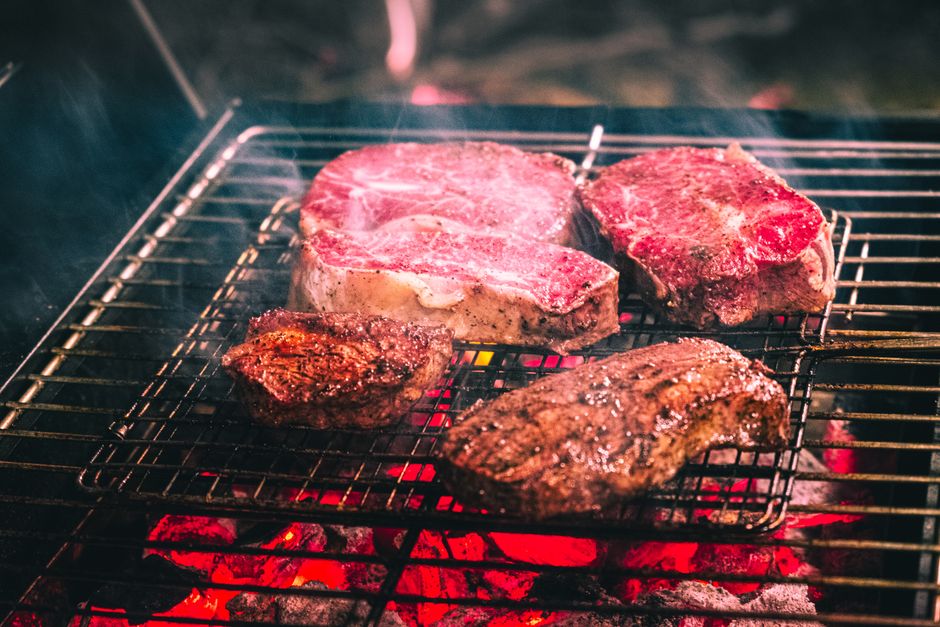
Steak needs to reach a specific internal temperature depending on how you like it cooked, but food safety guidelines say the minimum safe temperature is 145°F. That temperature gives you a medium-well to well-done steak. If you prefer your steak rare or medium-rare, you are cooking below that safety threshold, which is a personal choice many people make with whole cuts of beef. The key is using an instant-read meat thermometer inserted into the thickest part of the steak, not guessing by color or touch.
What Is the Exact Temperature for Each Doneness Level?
The temperature you are aiming for is the internal temperature of the meat at its center. The United States Department of Agriculture (USDA) recommends 145°F for whole cuts of beef, followed by a three-minute rest. That temperature produces a medium-well steak.
Here are the standard temperature ranges for each level of doneness, as recognized by culinary and food safety authorities:
- Rare: 120°F to 125°F. The center is bright red and cool.
- Medium-rare: 130°F to 135°F. The center is red to pink and warm.
- Medium: 140°F to 145°F. The center is pink and hot.
- Medium-well: 150°F to 155°F. The center has a slight hint of pink.
- Well-done: 160°F and above. The center is brown with no pink.
These ranges are the industry standard used by chefs and cooking schools. The USDA safety threshold of 145°F sits right at the top of the medium range. If you cook to 145°F, you are both safe and at the upper edge of medium.
Why Does Carryover Cooking Matter for Steak Temperature?
Carryover cooking is the rise in internal temperature that happens after you remove the steak from the heat. The heat continues to travel toward the center of the meat for several minutes. This can raise the internal temperature by 5°F to 10°F, depending on the thickness of the steak and the cooking method.
This matters because you should pull the steak off the heat before it hits your target temperature. If you want a final temperature of 130°F for medium-rare, you should remove the steak from the pan or grill at around 120°F to 125°F. Let it rest, and the temperature will climb into the medium-rare zone.
Skipping the rest is the most common mistake people make. Cutting into the steak immediately releases the juices and stops the carryover process, leaving you with a steak that is undercooked in the center and dry on the plate.
What Is the Safe Minimum Temperature for Steak?
Food safety guidance from the USDA states that whole cuts of beef, including steak, are safe to eat when cooked to an internal temperature of 145°F and allowed to rest for three minutes. This temperature is high enough to kill harmful bacteria like E. coli and Salmonella that may be present on the surface of the meat.
Steak is different from ground beef. With a whole cut of steak, bacteria live on the outside surface only. Cooking the exterior to a high temperature kills those pathogens, which is why a rare steak with a well-seared crust is generally considered safe by food safety authorities, even though the center is technically below the 145°F threshold.
Ground beef is a different situation. Grinding distributes bacteria throughout the meat, so the entire patty must reach 160°F. This is a firm food safety rule, not a preference.





How Do You Measure Steak Temperature Correctly?
An instant-read thermometer is the only reliable way to know the internal temperature of a steak. Insert the probe into the thickest part of the meat, away from bone, fat, or gristle. Those areas conduct heat differently and will give you a false reading.
For a thin steak, insert the probe from the side so the tip reaches the center without passing all the way through. For a thick steak, insert from the top straight down to the center. Wait for the reading to stabilize, which usually takes two to five seconds with a good instant-read thermometer.
Do not rely on the touch test, where you compare the firmness of the steak to the flesh of your hand. This method is imprecise and varies from person to person. A thermometer costs less than a ruined steak and removes all guesswork.
Does the Type of Steak Change the Target Temperature?
The target temperature does not change based on the cut of steak. A ribeye, a sirloin, and a filet mignon all reach the same internal temperature for the same level of doneness. What changes between cuts is the cooking time required to reach that temperature.
Thicker cuts take longer to reach the target temperature. A 1-inch strip steak might take four to five minutes per side over high heat, while a 2-inch thick ribeye could take eight to ten minutes per side. The temperature target stays the same.
Fat content affects flavor and tenderness, not the safe internal temperature. A well-marbled ribeye will still be safe at 130°F for medium-rare, just like a lean filet. The fat does not change the food safety math.
What Happens If You Cook Steak to the Wrong Temperature?
Cooking steak below the recommended temperatures increases the risk of foodborne illness, but the risk is not equal for everyone. Healthy adults who eat a rare steak from a reputable source are generally at low risk. Pregnant women, young children, older adults, and people with weakened immune systems face a higher risk and should follow the 145°F guideline strictly.
Overcooking steak does not pose a food safety risk, but it does affect quality. At temperatures above 160°F, the muscle fibers contract tightly and squeeze out moisture. The result is a dry, tough steak that lacks the tenderness people expect from a good cut of beef.
There is also a concern about cooking meat at very high temperatures for extended periods. Research has suggested that cooking muscle meat at high heat can form compounds that may be linked to cancer risk. This applies more to charred or burnt surfaces than to a properly cooked steak, and the evidence is not strong enough to warrant specific temperature restrictions for home cooking.
Is the Color of the Meat a Reliable Indicator of Temperature?
Color is not a reliable indicator of doneness. The red color in rare meat comes from myoglobin, a protein in muscle tissue. The color changes as the meat heats, but the exact color at a given temperature varies based on the age of the animal, the cut, and even the pH of the meat.
A steak can look pink at temperatures above 145°F, which can mislead you into thinking it is undercooked. Conversely, some meats can look brown at the center before reaching a safe temperature. This is why the USDA and culinary professionals all recommend a thermometer over visual inspection.
The only exception is ground beef, where the color rule is more consistent. Ground beef should be cooked until no pink remains and the juices run clear, but even that is not a guarantee. A thermometer is still the best tool.
Frequently Asked Questions
What temperature should steak be for medium-rare?
Medium-rare steak should reach an internal temperature of 130°F to 135°F. Remove the steak from the heat around 125°F and let it rest, as carryover cooking will raise the temperature.
Is it safe to eat steak at 130°F?
Eating steak at 130°F is a common practice, but it is below the USDA recommended safe temperature of 145°F. Healthy adults generally accept this risk with whole cuts of beef, but higher-risk individuals should not.
How long should steak rest after cooking?
Steak should rest for at least five minutes, but the USDA specifically recommends a three-minute rest for food safety purposes. Resting allows the juices to redistribute and the carryover temperature to stabilize.
Can you eat steak at 120°F?
Steak at 120°F is considered rare and is well below the USDA safety threshold. It is a personal choice that carries a higher risk of foodborne illness, especially for vulnerable populations.
