
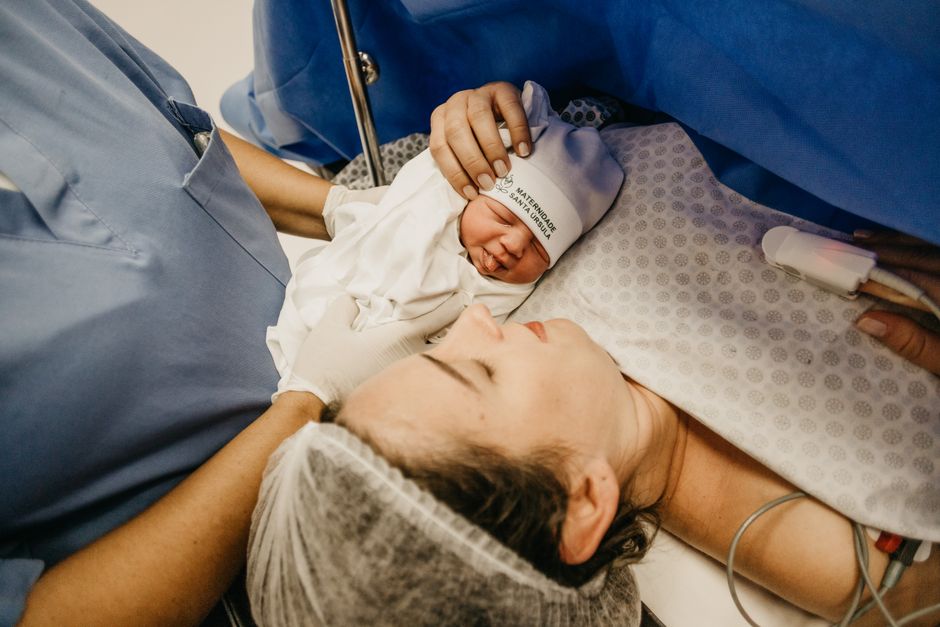
Planning a home birth means choosing to give birth in your own home instead of a hospital or birth center. It is a real option for healthy people with low-risk pregnancies, but it requires careful planning, a qualified attendant, and an honest understanding of the risks and benefits. Before you make any decisions, you need to confirm you are a good candidate, find the right provider, prepare your space, and have a solid plan for emergencies.
Who Is a Good Candidate for a Home Birth?
Not everyone is a good fit for a home birth. The safest candidates are people with a single, full-term pregnancy who are otherwise healthy. This means no chronic conditions like high blood pressure, diabetes, or heart disease that could complicate labor.
You also need to be free of pregnancy complications. Placenta previa, preeclampsia, or a baby in breech position usually rule out home birth. Your care provider will review your medical history and run standard tests to confirm you qualify. This screening process is not optional. It is the first and most important safety step.
Your provider will also consider your mental and emotional readiness. Home birth requires you to manage pain without an epidural. It requires flexibility if things change quickly. Being prepared for that reality matters as much as your physical health.
What Are the Real Risks of Home Birth?
You need the facts before you decide. Research consistently shows that for low-risk pregnancies, planned home birth with a trained midwife has similar outcomes to hospital birth for the parent. The difference appears in rare but serious newborn complications.
Studies have found a small increase in the rate of neonatal complications in planned home births compared to hospital births. These include low Apgar scores, seizures, and in very rare cases, newborn death. The absolute numbers are small, but they are real.
One major reason for this difference is how quickly emergency care can start. In a hospital, a cesarean section can begin within minutes. At home, the time to reach an operating room is longer. For most labors this never matters. For a rare emergency, those minutes can be critical.
You should also know that about 10 percent of first-time parents who plan a home birth end up transferring to a hospital during labor. For those who have given birth before, the transfer rate is lower. Transfers happen for stalled labor, pain management needs, or signs that the baby needs monitoring.
How Do You Choose a Qualified Home Birth Provider?
Your provider is the single most important safety factor in a home birth. In the United States, Certified Nurse-Midwives (CNMs) and Certified Professional Midwives (CPMs) are the two main types of providers who attend home births.
CNMs are registered nurses with advanced training in midwifery. They can practice in all 50 states and are trained to handle emergencies. CPMs are specifically trained for out-of-hospital birth. Their certification requirements vary by state. Some states license CPMs, others do not.
You should ask any provider about their transfer rate, their experience with emergencies, and their relationship with local hospitals. A good provider has a working agreement with a nearby hospital and knows exactly what to do if a transfer becomes necessary.
Ask how many home births they have attended. Ask about their experience with complications. Ask what equipment they bring and what medications they carry. A well-prepared midwife brings oxygen, IV supplies, and medications to control bleeding. If a provider cannot clearly answer these questions, that is a red flag.





What Equipment and Supplies Do You Need for a Home Birth?
Your midwife will bring most of the medical equipment, but you will need to prepare your home. The goal is a clean, comfortable, and private space where you can move freely during labor.
Basic supplies you will likely need include waterproof pads to protect your floors and bedding, clean towels, and sheets. You will want a birth pool if you plan a water birth. Many midwives rent these or can recommend a supplier.
You should also prepare for after the birth. Have pads for postpartum bleeding, comfortable underwear, and a place for the baby to sleep. Stock your kitchen with easy meals. You will be recovering and will not want to cook.
Your midwife will provide a detailed list of what to have ready. Follow it exactly. Do not assume you can run out to the store mid-labor. Everything should be in place by week 36 of your pregnancy.
How Do You Create a Birth Plan That Works?
A birth plan is not a guarantee. It is a communication tool. Write down your preferences for pain management, who will be present, and how you want to handle the immediate newborn period. Then go over it with your midwife and your backup hospital plan.
Your plan should include a clear transfer protocol. Know exactly which hospital you would go to, how you would get there, and who would come with you. Your midwife should have a written relationship with that hospital. You should visit the hospital ahead of time and pre-register.
Be honest with yourself about pain. At-home pain management options include breathing techniques, movement, water immersion, and counter-pressure from a partner. Some midwives offer nitrous oxide, but availability varies. You will not have access to an epidural at home.
Your birth plan should also address the unexpected. If labor stalls, if your baby shows signs of distress, or if you start bleeding heavily, the plan is to transfer. This is not a failure. It is the plan working as intended.
What Happens During a Typical Home Birth?
Labor at home follows the same stages as labor anywhere else. Early labor is often more comfortable at home because you can move around, eat, and rest in your own space. Your midwife will check in periodically and guide you on when to call her to come.
Active labor is when contractions become regular and strong. Your midwife will be present and monitor your vital signs, the baby’s heart rate, and your progress. She will check the baby’s position and listen for any signs of distress.
During pushing, your midwife guides you and watches the baby’s descent. After the baby is born, she will assess your baby’s breathing, heart rate, and color. You will deliver the placenta, and she will check that it is complete and that your bleeding is controlled.
Your midwife will stay for several hours after the birth to monitor both you and your baby. She will return for follow-up visits in the first days after birth. This is standard care, not optional.
When Should You Transfer to a Hospital?
Some situations require immediate transfer. Heavy bleeding, a baby’s heart rate that drops or becomes irregular, or a placenta that does not deliver are all emergencies. Your midwife is trained to recognize these signs and will not hesitate to call for transport.
Other situations are less urgent but still require transfer. Labor that stalls for many hours, a baby that shows signs of distress, or a parent who needs stronger pain relief may all lead to a hospital transfer. This happens in about one in ten first-time home births.
Do not wait to decide on a transfer until you are in the middle of labor. Decide in advance that a transfer is a safety measure, not a personal failure. The goal is a healthy parent and a healthy baby, not a specific location.
What Are the Legal and Insurance Considerations?
Home birth is legal in all 50 states, but how it is regulated varies widely. Some states license midwives, others do not. Some states require specific certifications, others do not. Check your state’s laws before you choose a provider.
Insurance coverage also varies. Some plans cover home birth, others do not. Some cover CNMs but not CPMs. Call your insurance company and ask directly about home birth coverage. Get the answer in writing.
If your insurance does not cover home birth, you will pay out of pocket. Costs vary by region and provider but can range from a few thousand dollars to over ten thousand. Ask your midwife for a full breakdown of fees before you commit.
Frequently Asked Questions
Is home birth safe for a first pregnancy?
It can be safe for a healthy first pregnancy, but the risk of complications and hospital transfer is higher than for subsequent births. About one in ten first-time parents transfer to a hospital during labor.
What is the main difference between a CNM and a CPM?
A Certified Nurse-Midwife is a registered nurse with advanced midwifery training. A Certified Professional Midwife is trained specifically for out-of-hospital birth, and their licensing varies by state.
How much does a home birth cost without insurance?
Costs vary by region and provider, but home birth typically ranges from several thousand dollars to over ten thousand. Ask your midwife for a detailed fee breakdown before you commit.
What happens if an emergency occurs during a home birth?
Your midwife will begin emergency care immediately and arrange transport to a hospital. This is why choosing a provider with a clear hospital transfer plan is essential.
