
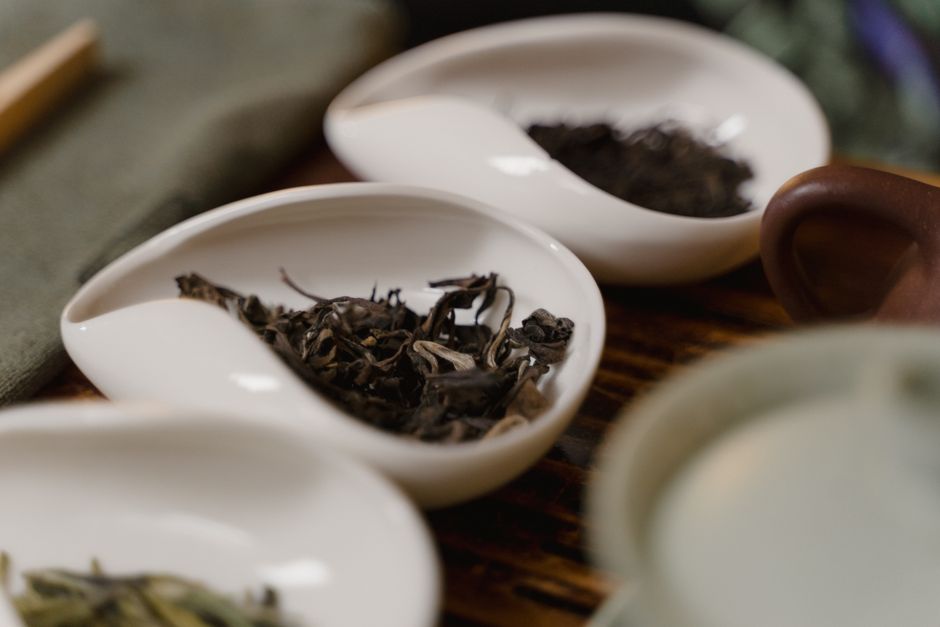
If you are looking for a direct answer: green tea has the strongest evidence for a modest effect on fat burning, oolong tea shows promising but less consistent results, and white tea has the least clinical research behind it. No tea will melt fat on its own. The effect is small, and it only matters when combined with a calorie-controlled diet and regular physical activity. Here is what the science actually shows for each tea, ranked by the strength of the evidence.
Does Green Tea Actually Burn Fat?
Green tea is the most studied tea for weight management. The research consistently shows that the catechins in green tea, especially a compound called epigallocatechin gallate (EGCG), can slightly increase the number of calories your body burns.
Studies have found that green tea extract can increase energy expenditure by a small amount over a 24-hour period. This happens because EGCG and caffeine work together to stimulate thermogenesis, the process where your body produces heat and burns calories. The effect is real but modest. We are talking about a difference of perhaps 50 to 100 extra calories burned per day in some studies, which is far less than what you would get from a 30-minute walk.
The evidence is strongest for green tea extract in capsule form. Drinking brewed green tea delivers the same compounds but in lower concentrations. You would need to drink several cups a day to match the amounts used in clinical trials. Most research uses doses of 300 to 500 mg of catechins daily, which is roughly equivalent to three to five cups of brewed green tea.
One important detail: the fat-burning effect of green tea is more noticeable in people who are not regular caffeine users. If you drink coffee all day, your body becomes tolerant to caffeine, and the thermogenic effect is blunted.
How Does Oolong Tea Compare to Green Tea?
Oolong tea sits between green and black tea in terms of oxidation. It is partially fermented, which changes its chemical profile. Oolong tea contains catechins like green tea, but it also has higher levels of certain oxidized polyphenols that are unique to partially fermented teas.
Some research suggests oolong tea can increase fat oxidation, meaning your body uses more fat for fuel. A few small studies have shown that drinking oolong tea can increase energy expenditure for up to two hours after consumption. The effect appears similar to green tea, but the body of evidence is smaller.
The key difference is that oolong tea has less EGCG than green tea but more caffeine than most green teas. Caffeine itself is a mild thermogenic agent. So the fat-burning effect of oolong may come more from its caffeine content than from its unique polyphenols.
One study published in the Journal of Nutrition found that oolong tea increased energy expenditure in men. The effect was significant but modest. Another study showed that oolong tea increased fat oxidation during moderate exercise. These are promising findings, but the trials are small and short-term. No long-term studies have confirmed that oolong tea produces meaningful weight loss over months.
For ranking purposes, oolong tea is a close second to green tea. The evidence supports a mild effect, but it is not as robust or as well-replicated as the research on green tea.
What Does the Research Say About White Tea?
White tea is the least processed of all teas. It comes from the same plant, Camellia sinensis, but the leaves are harvested young and simply dried. This minimal processing preserves the highest concentration of certain antioxidants, including catechins.
Here is the honest position: white tea has very little clinical research behind it for fat burning. Most of what you hear about white tea and weight loss comes from laboratory studies on cells and animal models. These studies show that white tea extract can inhibit the formation of new fat cells and stimulate the breakdown of existing fat. That sounds promising, but cellular effects do not always translate to humans.
One small human study did examine white tea and found that it increased fat oxidation by about 12 percent in healthy adults. That is a single study with a small sample size. It has not been replicated in larger trials.
White tea also contains less caffeine than green or oolong tea. Since caffeine contributes to the thermogenic effect, white tea may have a weaker effect on calorie burning simply because it delivers less caffeine per cup.
No clinical evidence currently confirms that white tea produces meaningful weight loss in humans. It is a healthy beverage with a high antioxidant content, but ranking it as a fat burner would be overstating the evidence.




Which Tea Is Best for Fat Burning: A Direct Ranking
Based on the available clinical evidence, here is the ranking:
- 1. Green tea — Most research. Consistent but modest thermogenic effect. Best evidence for a small increase in daily calorie burn.
- 2. Oolong tea — Promising results in small studies. Similar effect to green tea but less well-established. Higher caffeine content may contribute.
- 3. White tea — Least evidence. One small human study shows increased fat oxidation. No replicated trials confirm meaningful effects.
The differences between these three teas are small. They all come from the same plant, and they all contain catechins and caffeine. The ranking reflects the strength of the research, not necessarily a dramatic difference in real-world effects.
If you are choosing a tea for potential fat-burning benefits, green tea is the evidence-based choice. But the practical difference between drinking green tea and oolong tea is likely negligible. The more important factor is whether you drink tea regularly and whether it replaces sugary beverages in your diet.
How Much Tea Do You Need to Drink for Any Effect?
There is no official clinical guideline for tea consumption specifically for fat loss. What we know comes from the dosing used in research studies.
Most green tea studies use 300 to 500 mg of catechins per day. A standard cup of brewed green tea contains roughly 50 to 100 mg of catechins, depending on the brand, brewing time, and water temperature. This means you would need to drink three to five cups of green tea daily to reach the amounts studied in clinical trials.
For oolong tea, studies used two to four cups per day. The exact catechin content of oolong varies widely because the oxidation process changes the chemical composition.
For white tea, no dosing guidelines exist. The single human study used a specific extract, not brewed tea, so it is unclear how many cups of white tea would be needed to produce a similar effect.
Brewing method matters. Steeping tea longer and using hotter water extracts more catechins. But hotter water also extracts more bitterness. A practical approach is to steep green tea for two to three minutes at around 175°F (80°C), not at a rolling boil.
What Tea Burns Fat Green Oolong And White Tea Ranked by Real-World Impact
The honest answer is that none of these teas will produce noticeable fat loss on their own. The thermogenic effect of green tea, the most studied option, amounts to roughly 50 to 100 extra calories per day. That is the caloric equivalent of a small apple. Over a month, that might translate to about one pound of fat loss if everything else stays the same.
That is not nothing, but it is also not transformative. The real value of tea in a weight management plan is often indirect. Replacing a sugary soda or a flavored latte with unsweetened tea cuts hundreds of calories per day. That substitution matters far more than the thermogenic properties of the tea itself.
There is also a timing component. Some research suggests that consuming green tea with meals may slightly reduce the absorption of carbohydrates, which could blunt post-meal blood sugar spikes. This effect is small and not consistent across all studies.
No tea, regardless of type, has been shown to target belly fat specifically. Spot reduction is a myth. Fat loss happens throughout the body, and genetics determine where you lose it first.
Are There Any Risks to Drinking Large Amounts of Tea?
Tea is safe for most people in normal amounts. Three to five cups per day falls well within standard dietary guidance. The main concern is caffeine. Green and oolong teas contain roughly 30 to 50 mg of caffeine per cup, about a third of what you would find in a cup of coffee.
If you are sensitive to caffeine, drinking tea later in the day can interfere with sleep. Poor sleep is strongly associated with weight gain, so this could counter any benefit from the tea itself.
There is also a rare but real risk of liver injury from concentrated green tea extract supplements. This has been reported in a small number of cases, mostly with high-dose extracts taken on an empty stomach. Brewed tea does not carry this risk. If you choose supplements over brewed tea, stick to standard doses and talk to your doctor first.
People with iron deficiency should be aware that tea contains tannins, which can reduce iron absorption from plant-based foods. Drinking tea between meals rather than with meals reduces this effect.
Frequently Asked Questions
Which tea burns the most fat?
Green tea has the strongest clinical evidence for a modest increase in fat burning. Oolong tea shows similar but less consistent results, and white tea has the least human research behind it.
How many cups of green tea a day for weight loss?
Most studies use three to five cups of brewed green tea daily to reach the catechin doses linked to a small increase in calorie burn. This amount is safe for most healthy adults.
Can white tea help you lose weight?
No clinical evidence currently confirms that white tea produces meaningful weight loss in humans. One small study showed increased fat oxidation, but larger trials have not replicated this finding.
Is oolong tea better than green tea for fat burning?
Green tea has more research supporting its thermogenic effect. Oolong tea may work similarly, but the evidence base is smaller and the results are less consistent across studies.
