
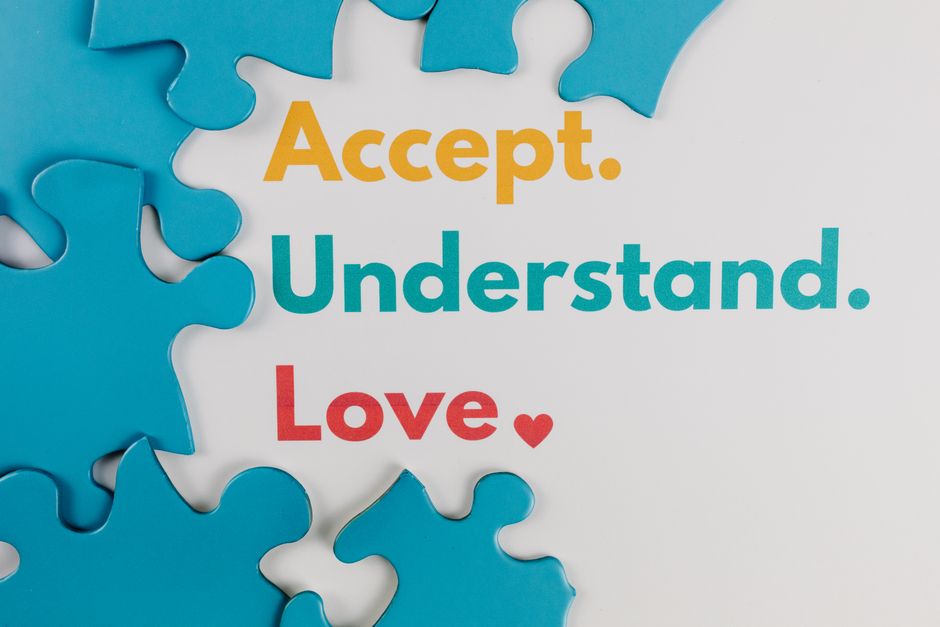
The puzzle piece and the infinity symbol are the two most recognized symbols associated with autism. The puzzle piece is the older and more controversial symbol, while the infinity symbol represents the neurodiversity movement. Understanding what each symbol means, where they came from, and why opinions differ is important for anyone navigating autism communities today.
What Is the Origin of the Autism Puzzle Piece Symbol?
The puzzle piece was introduced in 1963 by the National Autistic Society in the United Kingdom. Gerald Gasson, a parent and board member, designed the original logo. It featured a single puzzle piece with a crying child inside.
The symbol was meant to suggest that autism was a puzzling condition affecting children. At the time, this reflected the prevailing medical view. Autism was largely seen as a childhood disorder that needed to be understood and treated.
Over the decades, the puzzle piece became the global shorthand for autism awareness. Major organizations adopted it. Autism Speaks, one of the largest autism advocacy groups in the United States, has used a puzzle piece in its logo since its founding in 2005.
Why Do Many Autistic People Reject the Puzzle Piece?
Many autistic adults strongly oppose the puzzle piece symbol. The criticism is not new. It has been growing for years within autistic communities.
The main objection is that the puzzle piece implies something is missing or broken. A puzzle is incomplete until all pieces fit. Critics say this frames autistic people as incomplete versions of typical people.
Another concern is the historical association with the idea that autism is a mystery to be solved. Many autistic advocates argue that autism is not a puzzle. It is a neurological difference that has always existed in the human population.
Some also point out that the puzzle piece was created by non-autistic people. It was designed to represent how autism looked to outsiders, not how it feels to live with it. For many, that makes the symbol inherently flawed.
There is also a practical safety concern. Some organizations use puzzle piece imagery on items like license plates and ID badges. Critics argue this can mark autistic people as vulnerable or different in ways that invite unwanted attention.
What Does the Autism Infinity Symbol Mean?
The infinity symbol has emerged as the preferred alternative to the puzzle piece. It is most commonly shown in a rainbow of colors, though it also appears in gold or a single color.
The rainbow infinity symbol was first proposed in 2011 by an autistic advocate. It was designed to represent neurodiversity. The infinity shape suggests the vast range of human neurological variation.
The rainbow colors represent the spectrum itself. Autism is not a single experience. It includes people with different strengths, challenges, communication styles, and support needs. The rainbow infinity reflects that diversity.
The symbol is widely used within autistic-led advocacy groups and neurodiversity movements. It appears on flags, merchandise, and social media profiles. For many autistic people, it feels like a symbol created by and for their community.





What Symbol Represents Autism Puzzle Piece Infinity More?
The answer depends on who you ask. In the broader public, the puzzle piece is still the most recognized autism symbol. Most people have seen it on bumper stickers, awareness campaigns, and fundraising materials.
Within autistic communities, the rainbow infinity symbol has become the standard. It is the symbol most often used by autistic self-advocates. It appears in the logos of many neurodiversity-focused organizations.
The gold infinity symbol is another variation. Gold is sometimes used because the chemical symbol for gold is Au, which matches the first two letters of autism. This symbol is less common than the rainbow version but still appears in some advocacy spaces.
There is no single official autism symbol. No government or medical body has designated one. The choice of symbol often signals where a person or organization stands in the broader conversation about autism.
Organizations that use the puzzle piece tend to focus on awareness, fundraising, and research into causes or treatments. Organizations that use the infinity symbol tend to focus on acceptance, support, and neurodiversity advocacy.
What Is the Neurodiversity Movement?
The neurodiversity movement frames autism as a natural variation in human neurology, not a disease to be cured. The term neurodiversity was coined in the late 1990s by sociologist Judy Singer, who is herself autistic.
This perspective argues that autistic people have different ways of processing information, sensing the world, and interacting with others. These differences come with both strengths and challenges. The goal is not to make autistic people appear non-autistic but to support them in living full lives.
The movement emphasizes acceptance over awareness. Awareness campaigns often focus on recognizing the signs of autism in children. Acceptance campaigns focus on including autistic people in schools, workplaces, and communities.
Research supports the idea that autism is highly genetic and present from early development. There is no evidence that vaccines, parenting styles, or diet cause autism. These claims have been repeatedly studied and debunked.
The neurodiversity view does not deny that autism can involve real difficulties. Many autistic people experience sensory overload, social exhaustion, and co-occurring conditions like anxiety or epilepsy. The movement supports accommodations and therapies that help with daily life.
What the movement opposes is the framing of autism itself as a tragedy or a disorder to be eliminated. This is where the puzzle piece and the infinity symbol most sharply diverge.
Which Symbol Should You Use?
If you are writing about autism, organizing an event, or creating materials for a group, the choice of symbol matters. It signals your values and your audience.
Using the puzzle piece may alienate autistic adults who find it offensive. It also aligns you with older awareness campaigns that many autistic advocates have publicly criticized.
Using the rainbow infinity symbol aligns you with the neurodiversity movement and with many autistic self-advocates. It is increasingly the default choice in autistic-led spaces.
Some organizations use both symbols or have moved away from symbols entirely. A growing number of groups simply use text or photographs of real autistic people instead of abstract logos.
There is no law or rule requiring one symbol over the other. The decision is a matter of respect and audience awareness. If your goal is to include autistic people in your work, listening to their preferences is the most direct path.
Autistic adults are the best source of guidance on this topic. Many have written publicly about why they prefer the infinity symbol. Their reasoning is consistent and well documented. It is worth reading their perspectives before making a choice.
Frequently Asked Questions
Why do autistic people dislike the puzzle piece symbol?
Many autistic people say the puzzle piece implies they are incomplete or broken. They also object that it was designed by non-autistic people to represent how autism looked to outsiders.
What does the rainbow infinity symbol represent?
The rainbow infinity symbol represents neurodiversity and the wide range of autistic experiences. It was created by an autistic advocate in 2011 as an alternative to the puzzle piece.
Is the puzzle piece still the official autism symbol?
No official autism symbol exists. The puzzle piece remains widely recognized, but the infinity symbol is now the preferred choice in many autistic-led advocacy groups.
What color is the autism infinity symbol?
It most commonly appears as a rainbow, but gold and single-color versions also exist. Gold is sometimes used because the chemical symbol for gold is Au, matching the first two letters of autism.
