
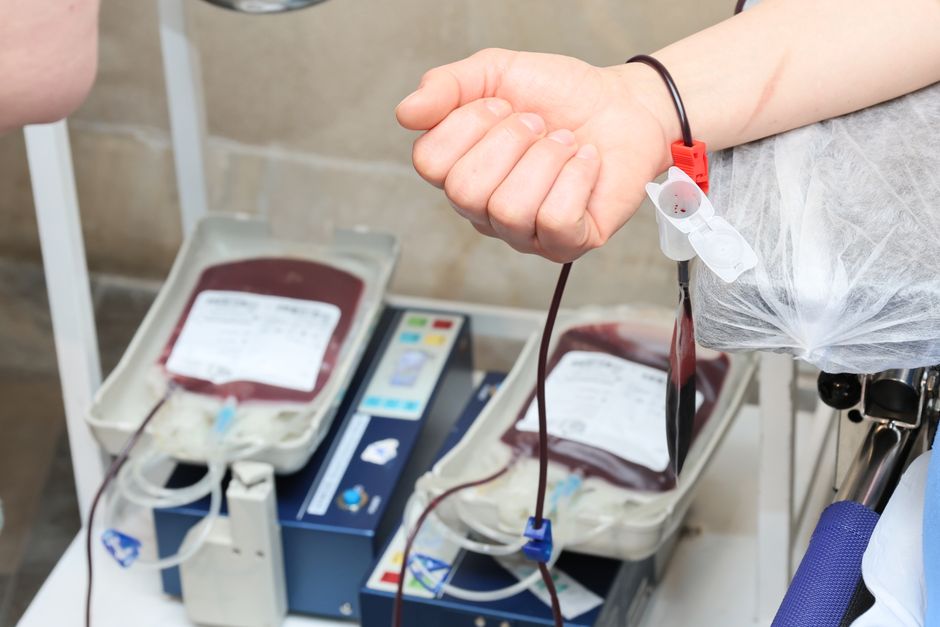
If you are starting a phlebotomy program, you will need a specific set of supplies for both the classroom and the clinical practice sessions. The core list includes a stethoscope, a blood pressure cuff, a tourniquet, a supply of butterfly and straight needles, vacuum collection tubes with a tube holder, alcohol prep pads, gauze, bandages, gloves, and a sharps disposal container.
Most accredited phlebotomy programs provide a detailed supply list during orientation or in the course syllabus. Some schools include the cost of supplies in tuition, while others expect students to purchase their own kits from the campus bookstore or a medical supply vendor. Before you buy anything, confirm with your instructor what is provided and what you are responsible for bringing.
What Supplies Do I Need For Phlebotomy Class?
The essential supplies fall into a few clear categories: personal protective equipment, blood collection equipment, and administrative tools. Here is what most programs require.
Personal protective equipment (PPE):
- Disposable nitrile gloves in your size (latex-free is standard in most programs)
- Safety glasses or goggles for practice sessions
- Lab coat or scrubs, depending on program dress code
- Face mask if required by the program or clinical site
Blood collection equipment:
- Tourniquet (single-use or reusable, depending on program policy)
- Vacuum collection tubes in various colors (lavender, red, blue, green, gray)
- Tube holder or adapter
- Multi-sample needles (often 21 or 22 gauge for classroom practice)
- Butterfly needles (23 gauge) for practice on smaller veins
- Alcohol prep pads
- Sterile gauze pads
- Adhesive bandages or tape
- Sharps container for needle disposal
Assessment and administrative tools:
- Stethoscope
- Sphygmomanometer (blood pressure cuff)
- Permanent marker for labeling tubes
- Pen and small notebook for recording practice draws
Some programs also require a lab manual, a specific textbook, and a student kit that includes practice arms or synthetic vein models. These are usually listed separately in the syllabus.
Does My School Provide Phlebotomy Supplies Or Do I Buy Them?
It varies by program. Many community college phlebotomy programs and hospital-based training courses include a student kit in the course fee. Others provide only the equipment used during supervised practice and expect students to buy personal items like gloves, a lab coat, and a stethoscope.
Ask your instructor these questions before the first day:
- Is a student supply kit included in tuition?
- Are needles, tubes, and sharps containers provided for practice?
- Do I need to bring my own gloves, or are they supplied in the lab?
- Is there a required uniform or dress code?
- Are there any supplies I am not allowed to bring for safety or liability reasons?
Getting clear answers early prevents you from buying items twice or showing up unprepared. Some programs also have a specific vendor or bookstore where kits must be purchased so that all students use identical equipment.
Which Blood Collection Tubes Should A Phlebotomy Student Have?
Collection tubes are color-coded by the type of additive they contain. The additive determines what the tube is used for and the correct order of draw. Learning the color system is one of the first things covered in phlebotomy training.
Here is a general reference for the most common tube types:
| Tube Color | Common Additive | Typical Use |
|---|---|---|
| Lavender / Purple | EDTA | Hematology tests such as complete blood count |
| Light Blue | Sodium citrate | Coagulation tests such as PT and aPTT |
| Red | None (clot activator in some) | Chemistry and serology tests |
| Gold / SST | Clot activator with gel separator | Chemistry tests requiring serum |
| Green | Heparin | Certain chemistry tests |
| Gray | Potassium oxalate / sodium fluoride | Glucose testing |
The order of draw matters because additive from one tube can contaminate the next if the sequence is wrong. The standard order is: blood culture bottles first, then light blue, then red or gold, then green, then lavender, then gray. Your program will teach the current order of draw, and you should follow your program’s materials because guidelines can be updated.
For classroom practice, students usually work with expired or non-clinical tubes. These look and feel the same as real tubes but are not used on actual patients. Check with your instructor about which tubes to purchase for practice.




What Should Be In A Phlebotomy Student Kit?
A typical student kit sold by medical supply companies or campus bookstores includes most of the items on the master list. Contents vary, so read the description carefully before buying.
Common kit contents:
- Tourniquet
- Vacuum tube holder
- Butterfly needles in several gauges
- Straight multi-sample needles
- Alcohol prep pads
- Gauze pads
- Adhesive bandages
- Sharps container
- Practice tubes in assorted colors
- Gloves
Some kits also include a blood pressure cuff, stethoscope, or a practice arm. If the kit does not include these, you may need to buy them separately. A basic stethoscope and manual blood pressure cuff are usually sufficient for a phlebotomy student. You do not need expensive diagnostic-grade equipment for classroom work.
One practical tip: buy gloves in the size you actually wear. Ill-fitting gloves make practice draws harder and are a safety issue in real clinical settings. If you are unsure of your size, most medical supply stores sell single pairs or small packs you can try before committing to a box.
Do I Need Special Clothing Or Shoes For Phlebotomy Class?
Most phlebotomy programs require closed-toe shoes and either scrubs or a lab coat. Closed-toe shoes are a safety requirement in any setting where needles and potentially infectious materials are present. Canvas sneakers or sandals are usually not allowed.
Scrubs are common because they are easy to wash and replace. Some programs specify a particular color. A lab coat may be required for certain classroom activities or clinical observation. Check your program’s dress code before buying anything.
You may also want to keep your hair tied back if it is long, and avoid dangling jewelry or loose sleeves that could interfere with practice draws or pose a contamination risk. These are standard precautions in clinical environments.
Where Can I Buy Phlebotomy Supplies?
Phlebotomy supplies are available from several sources. Your program may direct you to a specific vendor or campus bookstore. Common options include:
- Your school’s bookstore or affiliated supply store
- Online medical supply retailers
- Local medical supply stores
- Some national pharmacy chains carry basic items like gloves and bandages
If you buy online, make sure the seller is reputable and the products are intended for training or clinical use. Needles and sharps containers should meet standard safety requirements. If you are unsure whether a product meets your program’s requirements, ask your instructor before purchasing.
Costs vary widely. A basic student kit may cost significantly less than buying items individually, but kits sometimes include items you will not use. Compare the kit contents against your program’s required list before deciding.
What Safety Rules Apply To Phlebotomy Supplies?
Needle safety is the most important part of handling phlebotomy supplies. Used needles go directly into a sharps container without recapping, bending, or breaking. This is standard practice in every clinical setting and is covered in detail during training.
Other standard practices include:
- Wearing gloves for every practice draw and every patient contact
- Disposing of used supplies in the correct waste stream
- Keeping food and drinks out of the practice area
- Reporting any needlestick or exposure immediately
Your program will provide specific protocols for handling and disposing of supplies. Follow them exactly. These rules exist to protect you and the people you will eventually draw blood from.
Frequently Asked Questions
What is the most important supply for phlebotomy class?
A sharps container and proper needle handling supplies are the most critical items for safety. Your program will provide specific guidance on which sharps container to use.
Do I need a stethoscope for phlebotomy class?
Some programs require one for blood pressure measurement practice, while others do not. Check your syllabus before buying one.
Can I practice phlebotomy at home with a student kit?
No. Practice draws should only be done under supervision in a classroom or clinical setting with proper safety protocols in place.
How much do phlebotomy class supplies cost?
Costs vary by program and whether a kit is included in tuition. Basic student kits and individual items range widely, so ask your instructor for a specific list before purchasing.
