
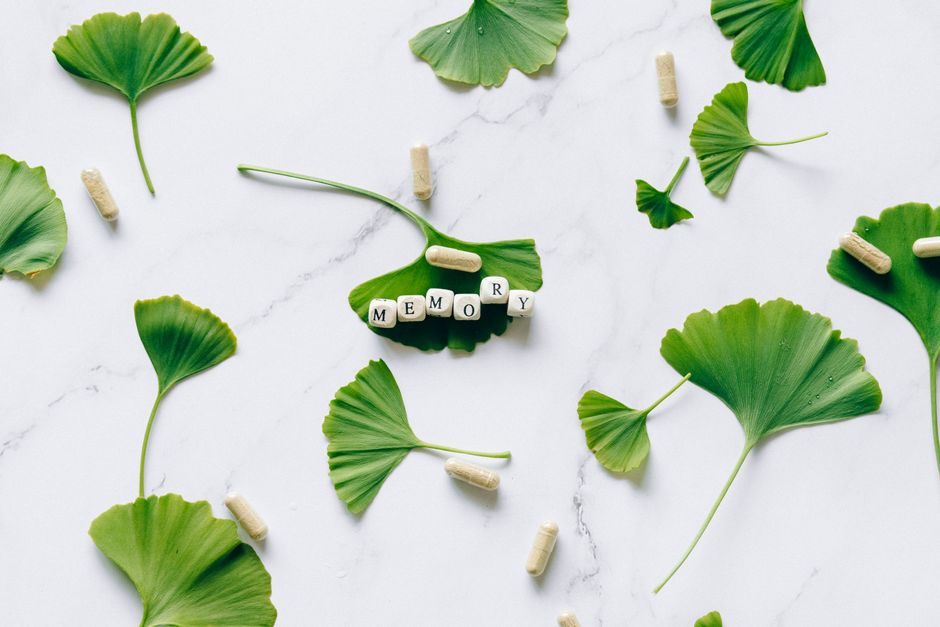
Memory supplements are a multi-billion dollar industry, but the science behind most of them is thin. The honest answer is that no supplement can cure memory loss or guarantee a sharper mind. However, a small number of supplements have meaningful evidence behind them for specific situations, such as correcting a deficiency or supporting brain health as we age. The key is knowing which ones have real research and which are just clever marketing.
What Supplements Actually Help With Memory
Only a few supplements have consistent, high-quality evidence for supporting memory. These are not miracle pills. They work in specific ways, and their benefits are often modest. The most reliable options include omega-3 fatty acids, vitamin B12, and vitamin D. Each of these has a clear biological role in brain function.
Omega-3 fatty acids, particularly DHA, are structural components of brain cell membranes. Studies have found that people with higher omega-3 levels tend to have better cognitive performance. The evidence is strongest for people who are deficient in omega-3s, which is common in Western diets that are low in fatty fish.
Vitamin B12 is essential for nerve health and the production of red blood cells. A deficiency can cause memory problems that are sometimes mistaken for dementia. Correcting a B12 deficiency can improve memory, but taking extra B12 when your levels are normal does not boost cognition.
Vitamin D acts more like a hormone than a vitamin. Low levels are linked to faster cognitive decline in older adults. Some research suggests that correcting a vitamin D deficiency may slow that decline, though it does not reverse existing damage.
Does Ginkgo Biloba Really Improve Memory?
Ginkgo biloba is one of the most popular memory supplements on the market. The evidence, however, is disappointing. Large, well-designed clinical trials have not shown that ginkgo prevents dementia or slows cognitive decline in healthy people.
One of the largest studies, published in the Journal of the American Medical Association, followed thousands of older adults for several years. The researchers found no difference in dementia rates between the ginkgo group and the placebo group. Some smaller studies have found slight improvements in specific memory tasks, but these results are inconsistent and not clinically meaningful.
Ginkgo is not harmful for most people, but it can interact with blood thinners like warfarin and increase bleeding risk. If you are considering ginkgo, understand that the evidence does not support it as an effective memory enhancer.
Can B-Complex Vitamins Prevent Cognitive Decline?
B-complex vitamins include B6, B9 (folate), and B12. These vitamins help regulate homocysteine, an amino acid that is linked to brain damage when levels get too high. High homocysteine is a risk factor for cognitive decline and Alzheimer’s disease.
Some trials have shown that B-vitamin supplements lower homocysteine levels and may slow brain shrinkage in people with elevated homocysteine. However, lowering homocysteine does not automatically translate to better memory or a lower risk of dementia. The evidence is mixed, and the benefits appear limited to people who actually have high homocysteine levels.
For people with normal homocysteine, B-complex supplements do not appear to offer cognitive benefits. The takeaway is straightforward: get your B12 and folate levels checked before assuming you need a supplement.



What About Omega-3 Fatty Acids for Brain Health?
Omega-3s are the most promising supplements for long-term brain health. DHA, one of the main omega-3 fats, makes up a significant portion of the brain’s fatty tissue. Low DHA levels are associated with poorer memory and a higher risk of dementia.
Observational studies consistently find that people who eat fish regularly have better cognitive outcomes. Randomized trials using omega-3 supplements have produced more variable results. Some show modest improvements in memory for people with mild cognitive impairment, while others show no benefit for healthy adults.
The strongest evidence supports omega-3s for people who do not eat fish. If you rarely eat fatty fish like salmon, mackerel, or sardines, an omega-3 supplement may be a reasonable choice. The typical dose studied is about 1 gram of combined EPA and DHA per day.
Are There Any Supplements That Work for Memory Loss?
For diagnosed memory loss, such as Alzheimer’s disease, no supplement has been proven to treat or reverse the condition. The medications prescribed for Alzheimer’s are not supplements, and they only slow progression temporarily. Supplements cannot replace these treatments.
Certain supplements may help with specific nutrient deficiencies that cause or worsen memory problems. This includes vitamin B12 deficiency, which is more common in older adults due to reduced stomach acid production. It also includes vitamin D deficiency, which is widespread in northern climates and among people who spend little time outdoors.
If you or a loved one has noticeable memory problems, see a doctor first. Blood tests can identify deficiencies that are easily corrected. Do not self-diagnose and start taking a stack of supplements based on internet recommendations.
Which Supplements Are a Waste of Money?
Some supplements have no credible evidence for memory benefits. These include:
- Huperzine A — marketed for Alzheimer’s, but clinical trials are small and results are inconsistent.
- Phosphatidylserine — early studies showed promise, but more rigorous modern trials have not confirmed benefits.
- Bacopa monnieri — some small studies show memory improvements, but the quality of evidence is low and the effects are modest.
- Lion’s mane mushroom — animal studies show nerve growth stimulation, but human evidence is very limited.
- Curcumin — anti-inflammatory properties are real, but it is poorly absorbed and no large trial has shown memory benefits.
These supplements are not necessarily dangerous, but they are not proven. Spending money on them is a gamble with unclear odds.
What Is the Best Way to Protect Your Memory?
Supplements are a small piece of the memory puzzle. Lifestyle factors have far stronger evidence for protecting cognitive health. Regular physical activity improves blood flow to the brain and stimulates the release of growth factors that support new brain cell connections.
A Mediterranean-style diet, rich in vegetables, fruits, whole grains, fish, and olive oil, is consistently linked to better cognitive outcomes. Adequate sleep is essential for memory consolidation. Chronic sleep deprivation impairs memory formation and retrieval.
Mental engagement matters too. Learning new skills, reading, playing games, and staying socially connected are all associated with slower cognitive decline. Managing blood pressure, blood sugar, and cholesterol is also critical, as cardiovascular health directly affects brain health.
Frequently Asked Questions
What is the most effective supplement for memory?
Omega-3 fatty acids have the strongest evidence for supporting brain health, especially for people who do not eat fish. No supplement is proven to enhance memory in people with normal nutrient levels.
Can vitamin B12 improve memory?
Vitamin B12 improves memory only if you are deficient. Correcting a deficiency can restore cognitive function, but extra B12 does not boost memory in people with normal levels.
Does ginkgo biloba help prevent dementia?
Large clinical trials have not found that ginkgo prevents dementia or slows cognitive decline. The evidence does not support using ginkgo for memory protection.
Are memory supplements safe to take daily?
Most memory supplements are safe at recommended doses, but they can interact with medications. Ginkgo increases bleeding risk, and high doses of certain vitamins can be harmful. Talk to a doctor before starting any supplement.
