

Sulphur is a naturally occurring element that your body uses to build proteins, produce energy, and support the structure of your cells. It is also one of the oldest known medicines, used for skin conditions for thousands of years. And it is a major industrial chemical — most of the sulphur mined worldwide goes into fertilizer. So the answer to “what sulphur is used for” depends entirely on which sulphur you mean: the nutrient, the topical medicine, or the industrial chemical.
This article covers all three, with the most attention on the forms people actually encounter in health and medicine. That includes the difference between sulphur and sulfa drugs (they are not the same thing), why sulfur supplements are mostly unnecessary, and what the evidence actually shows for the skin treatments that made sulphur famous in the first place.
What Is Sulphur Used For in the Human Body?
Sulphur is an essential element for human life, and your body contains roughly 140 grams of it. It is not a mineral nutrient in the way calcium or iron are. Instead, it is a structural component of certain amino acids — methionine and cysteine — which are the building blocks of proteins.
Those sulphur-containing amino acids do specific jobs. Cysteine forms disulfide bonds, which are chemical links that hold proteins in their proper three-dimensional shape. Without these bonds, proteins like insulin and many enzymes would not function. Sulphur is also part of glutathione, one of the body’s main antioxidant molecules, and of coenzyme A, which is required for converting food into usable energy.
You do not need to consume sulphur as an element. Your body gets it from protein-containing foods, then recycles and reuses it. The body does not have a specific sulphur deficiency syndrome in healthy people eating normal diets, because protein intake covers the requirement automatically.
Which Foods Contain Sulphur?
Sulphur is found in virtually all protein foods, because it is built into the amino acids that make up protein. Animal proteins — meat, poultry, fish, eggs, and dairy — are the richest sources. Plant proteins like beans, lentils, soy, and nuts also contain it.
A few vegetables are notably high in sulphur compounds, though the amounts are much smaller than in protein foods:
- Garlic and onions, which contain sulphur-based compounds that give them their smell
- Broccoli, cauliflower, cabbage, and other cruciferous vegetables
- Eggs, which are a concentrated source of sulphur-containing amino acids
There is no established daily requirement for sulphur itself. The Institute of Medicine (now the National Academy of Medicine) did not set a Dietary Reference Intake for sulphur, because the need is met through protein intake. Most adults in the US easily get enough through food. No clinical guidelines currently exist that recommend sulphur supplementation for the general population.
Is Sulphur the Same as Sulfa Drugs?
No, and this confusion matters for safety. Sulphur is a chemical element. Sulfa drugs are a class of antibiotics, called sulfonamides, that contain a sulphur atom as part of a larger synthetic molecule.
A sulphur allergy and a sulfa allergy are not the same thing. Someone with a documented sulfa antibiotic allergy is reacting to the whole drug molecule, not to elemental sulphur. This is why people with sulfa allergies can usually eat eggs, garlic, and other sulphur-rich foods without issue. Some clinicians still advise caution with sulphur-containing supplements in people who have had a sulfa reaction, but the evidence for cross-reactivity is limited and the two are generally treated as separate concerns.
If you have a known sulfa allergy, the person to ask about any specific product is your pharmacist or physician — not a general rule pulled from the internet.




What Is Sulphur Used For in Skin Care?
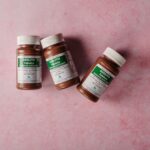
Sulphur has been used on the skin for centuries, and it remains in products sold today for acne, dandruff, and a skin condition called rosacea. It is one of the few old remedies that still appears in modern over-the-counter products.
How it works is not fully understood. Sulphur appears to have antibacterial and antifungal activity, and it may help break down keratin, the protein that forms the outer layer of skin. That keratolytic action is thought to help unclog pores and loosen flakes. These mechanisms are plausible and partly supported by laboratory work, but the clinical trial evidence is modest compared with newer acne treatments.
What the evidence shows:
- Sulphur is a recognized active ingredient in some over-the-counter acne products, often combined with resorcinol or sodium sulfacetamide.
- Some studies suggest it can reduce acne lesions, but most are small and older.
- For dandruff, sulphur-based shampoos are used, though other ingredients like zinc pyrithione and ketoconazole have stronger supporting evidence.
- For rosacea, sulphur products are sometimes prescribed, but again the evidence base is limited.
Sulphur can irritate skin, cause dryness, and has an unpleasant smell. It is generally considered safe for topical use, but it can be drying, and it should not be applied to broken or severely inflamed skin without medical guidance.
Does Sulphur Help With Joint Pain or Arthritis?
This is where marketing often outruns the evidence. Sulphur supplements — including methylsulfonylmethane, or MSM, and a form called glucosamine sulfate — are widely sold for joint health.
The evidence is mixed and generally weak. Some small studies have suggested MSM may reduce joint pain in people with knee osteoarthritis, but the trials were short, small, and not consistently replicated. Glucosamine sulfate has been studied far more, and large, well-designed trials have generally found it performs no better than placebo for knee osteoarthritis pain. Guidelines from major rheumatology organizations do not recommend glucosamine or MSM as standard treatment for osteoarthritis.
That does not mean these supplements are dangerous. MSM is generally well tolerated. But “well tolerated” and “effective” are different claims, and the second one is not well supported. Anyone considering them should talk to their doctor, especially if they take other medications.
What Is Sulphur Used For in Industry and Agriculture?
The vast majority of sulphur produced worldwide never touches a human body. About 80 to 90 percent of it goes into making sulfuric acid, one of the most widely used industrial chemicals on Earth.
Sulfuric acid is used to:
- Make phosphate fertilizers, which is the single largest use
- Refine petroleum
- Produce metals from ore
- Make batteries, including the lead-acid batteries in most cars
- Manufacture paper, dyes, and detergents
Sulphur is also used directly as a fungicide and pesticide in agriculture, particularly in organic farming, where it is one of the permitted treatments for powdery mildew and certain other fungal diseases on crops. It is also added to some wines and dried fruits as a preservative, usually in the form of sulfites — which is a separate topic from elemental sulphur and is the reason some people react to wine.
Can You Be Allergic to Sulphur?
True allergy to elemental sulphur is rare and not well documented. What people often call a “sulphur allergy” is usually one of three different things.
First, sulfite sensitivity. Sulfites are sulphur-containing preservatives used in wine, dried fruit, and some processed foods. Some people, particularly those with asthma, react to sulfites with symptoms like wheezing or flushing. This is not the same as an allergy to sulphur the element.
Second, sulfa antibiotic allergy, discussed above. This is a reaction to a specific drug class, not to sulphur itself.
Third, contact irritation from sulphur-containing skin products, which is irritation rather than a true immune allergy.
If you have had a genuine reaction to any product containing sulphur or sulfites, tell your doctor what happened and when. A clear history is more useful than a label.
Should You Take a Sulphur Supplement?
For most people, no. There is no established sulphur deficiency in healthy adults eating a normal diet, and no major health organization recommends sulphur supplementation.
People who might have higher needs — such as those with certain chronic illnesses or on specific medications — should discuss it with a clinician rather than self-prescribing. The body recycles sulphur efficiently, and excess is excreted. Taking more than you need does not appear to provide extra benefit.
If you are considering MSM or another sulphur supplement for a specific concern like joint pain, the honest position is that the evidence is limited. It is not a proven treatment. Ask your doctor whether it makes sense for your situation, and do not stop any prescribed medication to try it.
Frequently Asked Questions
What is sulphur used for in the body?
Sulphur is part of the amino acids methionine and cysteine, which build proteins, and it is a component of the antioxidant glutathione and of coenzyme A, which helps produce energy. Your body gets it from protein foods and does not need separate supplementation in normal diets.
Is sulphur the same as sulfa?
No. Sulphur is a chemical element, while sulfa drugs are a class of antibiotics called sulfonamides that contain sulphur as part of a larger molecule. A sulfa allergy is a reaction to the drug, not to elemental sulphur.
Does sulphur help acne?
Sulphur is a recognized active ingredient in some over-the-counter acne products and appears to have antibacterial and skin-shedding effects. The clinical evidence is modest compared with newer acne treatments, so it is best discussed with a dermatologist.
Do you need a sulphur supplement?
No established sulphur deficiency exists in healthy adults eating a normal diet, and no major health organization recommends sulphur supplements. The evidence for sulphur supplements like MSM for joint pain is limited and mixed.
