
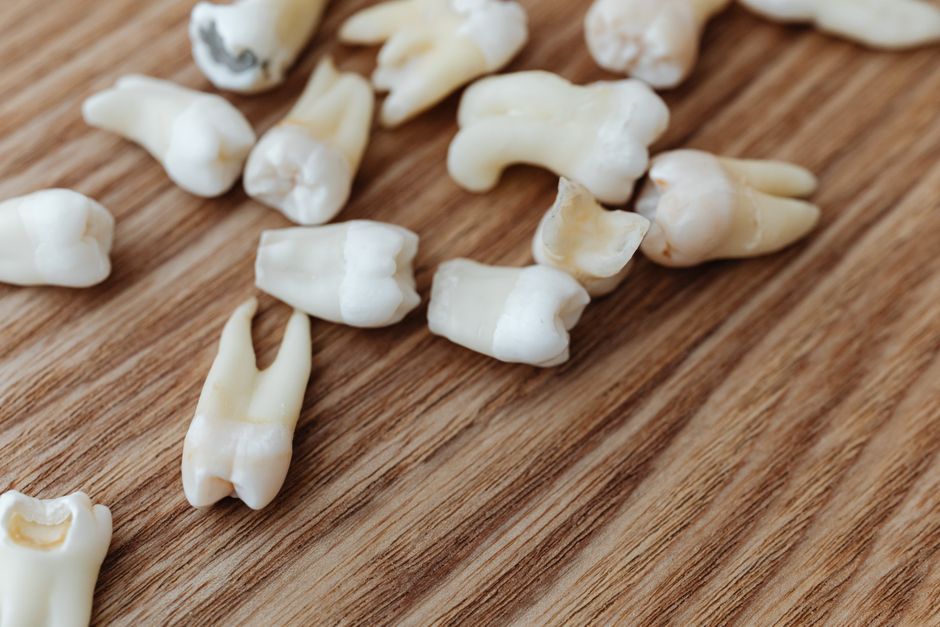
Tooth decay is one of the most common chronic health conditions worldwide, and it is also one of the most preventable. The core answer is straightforward: fluoride, limiting how often teeth are exposed to sugar, and routine oral care all work together to stop the process. No single step does the job alone.
Decay does not happen overnight. It develops over months and years through a repeated cycle of acid attacks on tooth enamel. Understanding that cycle explains why prevention works the way it does, and why some popular remedies do not.
What Actually Causes Tooth Decay?
Tooth decay is a bacterial process, not simply a matter of eating too much sugar. Bacteria that live in dental plaque — a sticky film that forms on teeth — feed on fermentable carbohydrates and produce acid as a byproduct. That acid drops the pH at the tooth surface and begins to dissolve the mineral crystals that make up enamel.
Your saliva normally neutralizes that acid and redeposits minerals like calcium and phosphate back into the enamel. This repair process is called remineralization. Decay begins when acid attacks happen more often than saliva can keep up with. The balance tips toward mineral loss, and over time a small weak spot can become a cavity that no longer heals on its own.
Three things drive that imbalance:
- Frequency — how often teeth are exposed to sugar and acid, not just how much
- Bacteria — the types and amount of decay-causing bacteria in plaque
- Protection — fluoride exposure, saliva flow, and oral hygiene
Frequency is the factor people underestimate most. Sipping a sweet drink slowly over two hours creates a longer acid attack than drinking it quickly with a meal. That is why how you eat can matter as much as what you eat.
How Does Fluoride Stop Tooth Decay?
Fluoride stops decay in two ways: it makes enamel harder to dissolve, and it helps repair early damage. When fluoride is present at the tooth surface, it becomes incorporated into the enamel as a mineral that resists acid better than the original structure. It also speeds up remineralization, drawing calcium and phosphate back into areas that have started to weaken.
This is why fluoride works even after decay has begun. Early-stage mineral loss — before a true cavity forms — can be reversed with enough fluoride exposure. Once a physical hole forms in the enamel, fluoride can slow it but cannot fill it. That stage needs a dental restoration.
Fluoride comes from several sources. Toothpaste is the most common and the best studied. Community water fluoridation adjusts the natural fluoride level in drinking water to a concentration that reduces cavities across a whole population. This practice has been in place in the United States since the 1940s and is endorsed by major public health and dental organizations.
One clarification worth knowing: fluoride’s main benefit comes from direct contact with teeth, not from swallowing it. That is why spitting out toothpaste rather than rinsing with water afterward keeps more fluoride working on the tooth surface.
What Stops Tooth Decay: Fluoride, Diet, And More?
No single measure prevents all decay, but combining the right ones reduces risk substantially. Each approach targets a different part of the decay process.
Fluoride hardens enamel and repairs early damage. Use fluoride toothpaste, and drink fluoridated water where available.
Diet matters most through frequency. Every time sugar enters the mouth, bacteria produce acid for roughly twenty minutes or longer. Constant snacking or sipping keeps teeth under near-constant attack. Grouping sugary foods with meals, rather than grazing all day, gives saliva time to recover.
Oral hygiene removes plaque before it builds up. Brushing twice daily with fluoride toothpaste and cleaning between teeth once a day reduces the bacterial load that drives decay.
Saliva is an underrated defense. It buffers acid and delivers minerals back to enamel. Anything that reduces saliva flow — certain medications, mouth breathing, some medical conditions — raises decay risk.
Dental checkups catch early mineral loss and small cavities before they grow. Early problems are simpler and less costly to treat.
Dietary choices beyond sugar also play a role. Starchy foods like crackers and chips break down into sugars and can stick to teeth. Acidic drinks, including some sodas and juices, add their own erosive effect on top of any sugar they contain.





Which Foods And Drinks Raise Decay Risk?
Any fermentable carbohydrate can feed decay-causing bacteria, but some patterns are riskier than others. The biggest factor is how long and how often teeth stay coated in sugar or acid.
- Sugary drinks — soda, sweetened coffee, sports drinks, and juice bathe teeth in sugar with every sip
- Sticky sweets — candy, dried fruit, and similar foods cling to tooth surfaces and clear slowly
- Frequent snacking — repeated small exposures keep acid levels high all day
- Refined starches — crackers, chips, and white bread break down into sugar and can lodge in grooves
Foods that help include those that stimulate saliva, like cheese and plain yogurt, and fibrous foods like vegetables and nuts that scrub tooth surfaces as you chew. Water — especially fluoridated water — rinses away food and acid while adding fluoride.
An important nuance: a single sugary treat eaten with a meal is far less harmful than the same amount eaten slowly over an afternoon. Timing and frequency often matter more than total quantity.
Do Home Remedies And Natural Approaches Work?
Some natural approaches have modest supporting evidence, and many do not. The gap between what is marketed and what is proven is wide here.
Fluoride-free toothpastes are widely sold, but the evidence for their cavity-prevention benefit is much weaker than for fluoride toothpaste. Some contain ingredients like hydroxyapatite, a mineral similar to tooth enamel. Early research on hydroxyapatite toothpaste is promising but not yet as extensive as the decades of evidence behind fluoride.
Oil pulling — swishing oil like coconut or sesame oil in the mouth — is an old practice with some studies on plaque and gum inflammation. The evidence for preventing cavities specifically is limited. It is not a substitute for fluoride or brushing.
Claims that certain foods, supplements, or rinses can “reverse” or “cure” cavities are not supported by clinical evidence. Once a cavity forms, it requires dental treatment. No home remedy fills a hole in a tooth.
Herbal and natural toothpastes may freshen breath or reduce surface bacteria, but no large human trials have confirmed that they prevent cavities as effectively as fluoride. If you choose a fluoride-free product, understand that you are trading a well-established benefit for a less certain one.
When Should You See A Dentist?
See a dentist if you notice a persistent sensitivity to sweet, hot, or cold foods, a visible dark spot or pit in a tooth, or pain when biting. These can signal decay that has moved past the reversible stage. Pain that comes and goes can indicate deeper involvement.
Routine checkups matter even without symptoms, because early decay often causes no pain at all. A dentist or hygienist can detect mineral loss and small cavities that are not yet visible or felt. Treating them early usually means a smaller, simpler repair — or in some cases, a fluoride treatment and monitoring instead of a filling.
People at higher risk — those with dry mouth, a history of many cavities, or certain medical conditions — may need more frequent visits. Ask your dentist what schedule fits your situation rather than assuming a fixed interval is right for everyone.
Frequently Asked Questions
Does fluoride actually stop tooth decay?
Yes. Fluoride hardens enamel against acid and helps repair early mineral loss, and it is one of the best-studied measures for preventing cavities. It works mainly through direct contact with teeth, which is why fluoride toothpaste is so effective.
Can tooth decay be reversed without a dentist?
Only very early mineral loss, before a true cavity forms, can be repaired — and that requires adequate fluoride exposure. Once a physical hole develops in the enamel, it cannot heal on its own and needs dental treatment.
What is the single best way to prevent cavities?
There is no single best way, but fluoride toothpaste used twice daily is the most reliable starting point. Limiting how often you eat sugar and getting regular dental checkups add protection that fluoride alone does not provide.
Is fluoride-free toothpaste as good as fluoride toothpaste?
No. The evidence for fluoride toothpaste preventing cavities is far stronger and more extensive than for fluoride-free options. Some alternatives like hydroxyapatite show early promise, but they do not yet have the same body of supporting research.
