
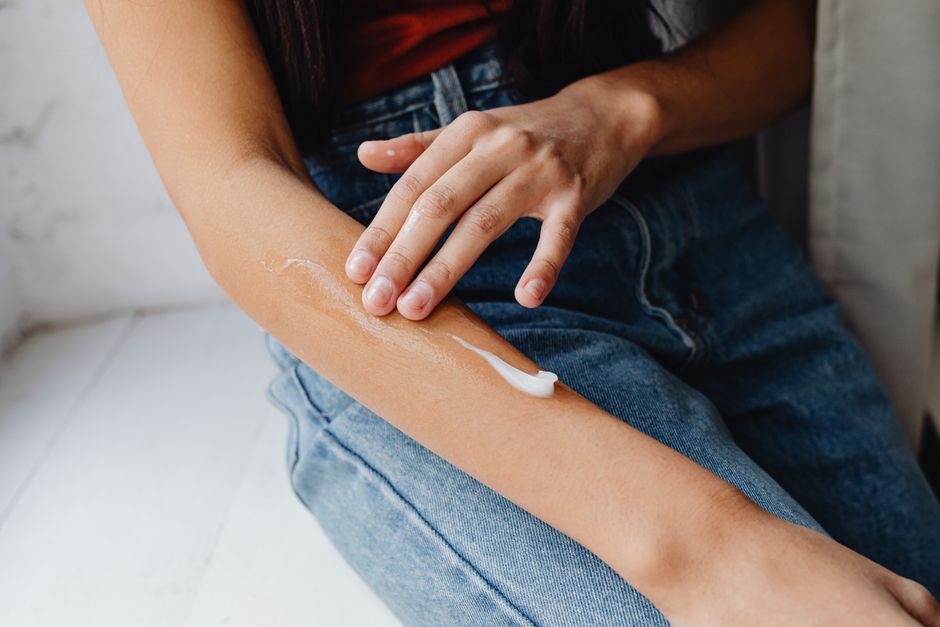
Itching is one of the most distracting sensations the body can produce. When it strikes, the only goal is relief, and fast. The quickest way to stop itching is to apply a cold compress or take a cool shower, which numbs the nerve endings and reduces blood flow to the area. For persistent itching, an over-the-counter hydrocortisone cream or an oral antihistamine like diphenhydramine (Benadryl) can provide rapid relief by targeting the underlying immune response. These methods work because they interrupt the itch signal before it reaches the brain, giving your skin a chance to reset.
What Causes the Itch Sensation?
Itching is a complex neurological response, not just a skin issue. When something irritates your skin—whether it is an allergen, a bug bite, or dry air—your immune system releases a chemical called histamine. Histamine causes blood vessels to dilate and nerve fibers to fire, sending a signal up your spinal cord to your brain. The brain interprets this signal as an itch, prompting you to scratch.
Scratching provides temporary relief because it creates a mild pain signal that overrides the itch signal. However, scratching also damages the skin and triggers more histamine release. This creates a vicious cycle known as the itch-scratch cycle. The longer you scratch, the more your skin inflames, and the more it itches.
Understanding this cycle is key to stopping the itch. The most effective treatments work by either blocking histamine, cooling the nerve endings, or reducing inflammation. Simply scratching harder is never the answer.
Does Cold Water or Heat Stop Itching Faster?
Cold is the clear winner. Cold temperatures slow down nerve conduction, which means the itch signal travels more slowly to the brain. Cooling the skin also constricts blood vessels, reducing the swelling and redness that often accompany itching. A cold compress, an ice pack wrapped in a towel, or a cool shower can stop itching within minutes.
Heat, on the other hand, is risky. Hot water feels good in the moment because it temporarily overwhelms the nerve endings with a stronger sensation. But heat increases blood flow and releases more histamine, which leads to a rebound effect. Within an hour of a hot shower, the itching often returns worse than before. Some people use hot water deliberately to “flush out” an itch, but this is not a medically recommended strategy. It provides short-term relief at the cost of long-term inflammation.
For the fastest relief, apply something cold directly to the itchy area for 10 to 15 minutes. If the itch covers a large portion of your body, a cool bath with a few cups of colloidal oatmeal or baking soda can calm widespread irritation.
Which Over-the-Counter Creams Work Immediately?
Not all anti-itch creams are created equal. The two most effective over-the-counter options are hydrocortisone and antihistamine creams, but they work through different mechanisms.
Hydrocortisone cream (1%) is a mild steroid that reduces inflammation by suppressing the immune response in the skin. It is most effective for eczema, allergic reactions, and insect bites. It does not work instantly—it usually takes 15 to 30 minutes to feel significant relief—but it addresses the root cause of the inflammation. You should not use hydrocortisone on broken skin or on the face for more than a few days without a doctor’s supervision.
Diphenhydramine cream (Benadryl cream) is an antihistamine that blocks the H1 receptors in the skin. It works quickly, often within minutes, and is best for histamine-driven itches like mosquito bites or poison ivy. However, topical antihistamines can cause allergic reactions in some people, and they are not recommended for large areas of skin.
Calamine lotion is a third option. It contains zinc oxide and iron oxide, which cool the skin and dry out oozing rashes. It is not as powerful as hydrocortisone, but it is very safe and can be applied liberally. Calamine is particularly effective for poison ivy and chickenpox.
For immediate relief, the fastest approach is a cold compress followed by a thin layer of hydrocortisone cream. The cold stops the acute itch while the cream works to reduce the underlying inflammation.





When Should You Take an Oral Antihistamine?
Oral antihistamines are the best option when the itching is widespread or when you cannot easily apply cream to the affected area. They work systemically, meaning they travel through your bloodstream and block histamine receptors throughout your body.
First-generation antihistamines like diphenhydramine (Benadryl) work quickly—usually within 30 minutes—and are highly effective. They also cross the blood-brain barrier, which is why they cause drowsiness. This sedative effect can be helpful if itching is keeping you awake at night, but it makes them unsuitable for daytime use.
Second-generation antihistamines like cetirizine (Zyrtec), loratadine (Claritin), and fexofenadine (Allegra) are non-drowsy for most people. They take slightly longer to work—about one to two hours—but they provide 24 hours of relief. For chronic itching conditions like hives, a daily second-generation antihistamine is the standard first-line treatment.
Oral antihistamines are not effective for every type of itch. They do little for dry skin, nerve-related itching, or fungal infections. If an antihistamine does not provide relief within a few days, the cause of the itch is likely not histamine-related, and you should see a doctor.
What Stops Itching Fast When the Cause Is Dry Skin?
Dry skin itching, also called xerosis, is different from allergic itching. It is caused by a damaged skin barrier, not by histamine. The skin loses moisture and becomes cracked, allowing irritants to penetrate and trigger nerve endings directly. Antihistamines will not help this type of itch.
The fastest relief for dry skin itching is a thick moisturizer applied immediately after bathing. Look for creams or ointments that contain ceramides, petrolatum, or glycerin. These ingredients trap moisture in the skin and restore the lipid barrier. Lotions are too thin—they evaporate quickly and can make dryness worse.
Apply moisturizer within three minutes of stepping out of the shower, while the skin is still slightly damp. This locks in the water from the shower. For very dry areas, an ointment like Vaseline is more effective than a cream, though it feels greasier.
If your skin is so dry that it cracks and bleeds, or if moisturizing does not stop the itch within a week, you may have eczema or another skin condition that requires prescription treatment. Over-the-counter moisturizers are effective for mild dryness, but they cannot repair moderate to severe skin barrier damage.
Home Remedies: What Actually Works and What Is a Myth?
Many home remedies for itching have been passed down for generations. Some work. Some do not.
Colloidal oatmeal baths work. Oatmeal contains avenanthramides, which are compounds with anti-inflammatory properties. Research has shown that colloidal oatmeal reduces itch and improves skin barrier function. You can buy pre-made colloidal oatmeal or grind plain oats in a blender and add them to a lukewarm bath.
Baking soda paste works for some people. A paste made from three parts baking soda and one part water can neutralize skin irritants and relieve itching from insect bites. It is not effective for eczema or dry skin.
Aloe vera works for sunburn-related itching. It has cooling and anti-inflammatory properties. However, it is not effective for allergic itches or insect bites.
Essential oils like tea tree or peppermint are not reliably effective. Some studies suggest tea tree oil has anti-inflammatory properties, but it can also cause contact dermatitis in sensitive individuals. Diluted peppermint oil creates a cooling sensation, but it can irritate broken skin. These are not first-line treatments.
Vinegar is a myth for most itches. Apple cider vinegar is acidic and can further irritate already damaged skin. It may help with certain fungal infections, but it will not stop a histamine-driven itch.
The safest home remedy is a cool compress. It costs nothing, has no side effects, and works within minutes.
When Itching Is a Sign of Something Serious
Most itching is temporary and harmless. But persistent itching can signal an underlying medical condition that requires treatment.
See a doctor if you experience any of the following:
- Itching that lasts more than two weeks despite home treatment
- Itching that covers your entire body without a visible rash
- Itching accompanied by weight loss, fever, or night sweats
- Itching that interferes with sleep every night
- Itching with jaundice (yellowing of the skin or eyes)
Whole-body itching without a rash can be a sign of liver disease, kidney disease, thyroid problems, or anemia. It can also be a side effect of certain medications. In rare cases, it is an early sign of lymphoma. These conditions are treatable, but they require a proper medical evaluation.
If your itching is accompanied by hives and difficulty breathing, swelling of the face or throat, or dizziness, seek emergency care immediately. These are signs of a severe allergic reaction called anaphylaxis.
Frequently Asked Questions
How fast does hydrocortisone cream stop itching?
Hydrocortisone cream typically begins to reduce itching within 15 to 30 minutes. Full relief may take several hours, and you should apply it two to three times daily for up to a week.
Can you stop itching instantly?
A cold compress or ice pack is the fastest way to interrupt an itch signal, providing relief within minutes. For a chemical block, a topical antihistamine cream works faster than hydrocortisone but only for histamine-related itches.
Is scratching ever helpful for an itch?
Scratching provides temporary relief by creating a mild pain signal that overrides the itch, but it causes more inflammation and histamine release. The relief lasts only seconds, and the subsequent itch is usually worse.
Does Benadryl cream work better than hydrocortisone cream?
Benadryl cream works faster for insect bites and allergic rashes because it directly blocks histamine. Hydrocortisone is better for eczema and inflammation because it suppresses the immune response at the source.
