
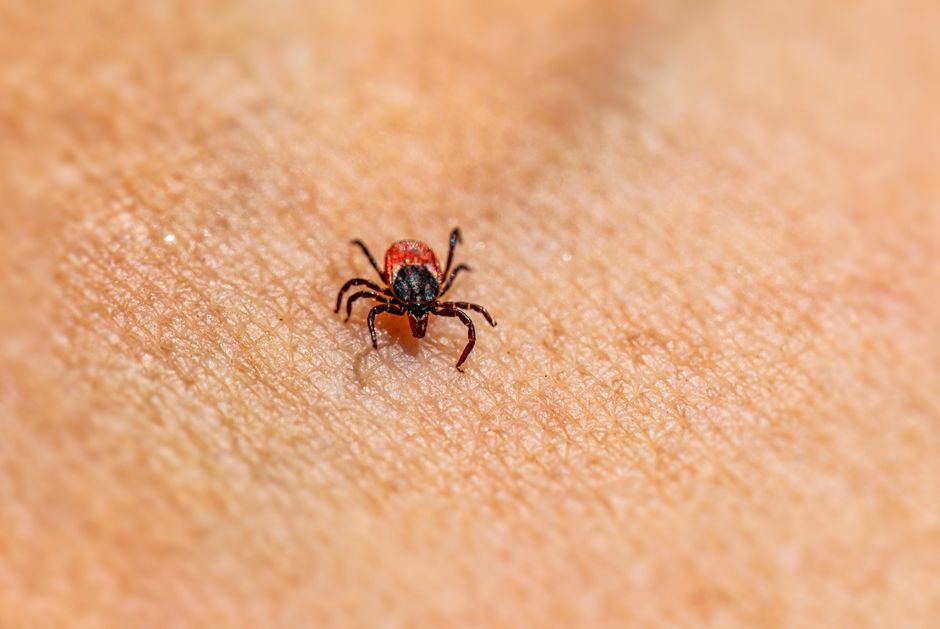
Flea bites itch because your body releases histamine in response to flea saliva. This itching can last for days if you do not treat it correctly. The fastest way to stop flea bites from itching is to wash the area with soap and water, apply a cold compress, and use an over-the-counter hydrocortisone cream or oral antihistamine. For persistent itching, calamine lotion or a cool oatmeal bath provides relief. The key is treating the itch and the cause — the fleas — at the same time.
Why Do Flea Bites Itch So Much?
Fleas feed on blood. When a flea bites, it injects saliva into your skin. That saliva contains proteins and enzymes that stop your blood from clotting while the flea feeds.
Your immune system sees these proteins as foreign invaders. It releases histamine at the bite site. Histamine causes blood vessels to widen and fluid to leak into the tissue. That creates the red, raised bump and the intense urge to scratch.
Some people react more strongly than others. Children and people with allergies to insect saliva often develop larger welts that itch more. The CDC notes that flea bites typically appear in clusters, often on the legs and ankles, because fleas jump from the ground or carpet.
Scratching makes things worse. It damages the skin barrier and can introduce bacteria. That is how a simple flea bite turns into a skin infection like impetigo or cellulitis. The goal is to relieve the itch without breaking the skin.
What Works Immediately for Flea Bite Itch?
The first step is always washing. Use mild soap and cool water. This removes flea saliva still on the skin surface and reduces the risk of infection.
Next, apply a cold compress. Ice wrapped in a cloth or a cold pack works. Leave it on for 10 minutes at a time. Cold numbs the nerve endings and constricts blood vessels, which reduces swelling and itch signals to your brain.
After that, use an over-the-counter topical steroid. Hydrocortisone cream at 1% strength is the standard. It reduces inflammation by suppressing the local immune response. Apply a thin layer no more than four times a day. Do not use it on broken skin or open sores from scratching.
Oral antihistamines help when bites are widespread. Diphenhydramine (Benadryl) works fast but causes drowsiness. Loratadine (Claritin) or cetirizine (Zyrtec) are non-drowsy options that work well for many people. Research published in the Journal of the American Academy of Dermatology confirms that antihistamines reduce itching from insect bites by blocking histamine receptors throughout the body.
Does Calamine Lotion or Oatmeal Bath Work?
Yes, for mild to moderate itching. Calamine lotion contains zinc oxide and ferric oxide. It dries the bite and provides a cooling sensation as it evaporates. It does not contain steroids or antihistamines, so it works differently than hydrocortisone.
Calamine is best for bites that are oozing or weeping. It creates a protective layer over the skin. The American Academy of Dermatology lists calamine as a safe option for insect bites.
Oatmeal baths are another low-risk home remedy. Colloidal oatmeal — finely ground oats — forms a protective barrier on the skin. It has anti-inflammatory properties that can calm irritated skin. A 2015 study in the Journal of Drugs in Dermatology found that colloidal oatmeal improved skin barrier function and reduced inflammation.
Both options are safe for children. Just avoid adding hot water to the bath. Heat worsens itching because it triggers more histamine release.



How To Stop Flea Bites From Itching at Night
Itching often feels worse at night. There are a few reasons for this. Your body’s natural cortisol levels drop at night, and cortisol suppresses inflammation. You also have fewer distractions, so you notice the itch more.
To sleep better, take an oral antihistamine about 30 minutes before bed. Diphenhydramine is ideal here because drowsiness is actually helpful. Apply a cold pack to the worst areas right before lying down.
Keep your bedroom cool. Heat increases blood flow to the skin, which can worsen the itch response. Wear loose cotton pajamas that cover the bites. Tight fabrics can rub against the welts and trigger more itching.
If you wake up scratching, trim your fingernails short. This reduces skin damage if you scratch in your sleep. Some people also wear light cotton gloves to bed.
What NOT to Do for Flea Bites
Avoid these common mistakes. They make itching worse or cause complications.
- Do not use heat. Holding a hair dryer or hot spoon to the bite feels good for a second but triggers more histamine release. The itch returns stronger.
- Do not apply rubbing alcohol. It dries the skin and can break the barrier. It does not stop the immune reaction.
- Do not scratch. Scratching releases more histamine. It creates an itch-scratch cycle that is hard to break.
- Do not use essential oils undiluted. Tea tree oil, peppermint oil, and others can cause contact dermatitis. Some people report relief, but strong clinical evidence is limited.
- Do not ignore the source. Treating bites without killing fleas means you will get bitten again. This is the most common reason flea bite itching does not go away.
How to Treat Flea Bites on Pets and Prevent Reinfestation
Fleas do not stay on humans. They prefer furry hosts. If you have flea bites, your pet is almost certainly the source. Treating your pet is essential.
Veterinarians recommend oral flea medications like spinosad or fluralaner. Topical treatments like fipronil (Frontline) are also effective. The Companion Animal Parasite Council advises year-round flea prevention for all pets, even indoor ones.
In your home, vacuum everything. Carpets, rugs, furniture, baseboards, and under beds. Throw away the vacuum bag immediately or seal it in plastic. Flea eggs can survive inside vacuum bags and hatch later.
Wash all bedding — yours and your pet’s — in hot water. Dry on high heat. Fleas and eggs die at temperatures above 130°F. Steam cleaning carpets is also effective.
For severe infestations, consider a household spray containing insect growth regulators (IGRs) like methoprene or pyriproxyfen. These prevent flea eggs from developing into adults. The CDC states that treating the environment is as important as treating the pet.
| Treatment | How It Works | Best For |
|---|---|---|
| Hydrocortisone cream 1% | Reduces inflammation locally | Small clusters of bites |
| Oral antihistamine | Blocks histamine throughout body | Widespread bites or night itching |
| Calamine lotion | Cools and dries the skin | Weeping or oozing bites |
| Cold compress | Numbs nerves and reduces swelling | Immediate relief for any bite |
| Oatmeal bath | Anti-inflammatory skin barrier | Multiple bites on large areas |
When Should You See a Doctor for Flea Bites?
Most flea bites resolve on their own within one to two weeks. But some situations require medical attention.
Signs of infection include increasing redness, warmth, swelling, pus, or red streaks spreading from the bite. Fever is another red flag. Bacterial infections from scratching can require prescription antibiotics.
Some people experience allergic reactions. Hives spreading beyond the bite area, difficulty breathing, or swelling of the lips or throat are emergencies. Call 911 if these occur.
If over-the-counter treatments do not reduce itching after several days, a doctor can prescribe stronger options. These include prescription-strength hydrocortisone or topical antihistamines like doxepin cream. Some dermatologists recommend a short course of oral steroids for severe reactions.
Frequently Asked Questions
How long do flea bites last?
Flea bites typically heal within one to two weeks. The itching usually subsides within a few days with proper treatment.
Can flea bites make you sick?
Flea bites rarely cause illness in humans, but fleas can transmit diseases like murine typhus and cat scratch fever in rare cases. Seek medical attention if you develop fever or chills after flea bites.
Does vinegar stop flea bites from itching?
Apple cider vinegar is widely claimed to relieve itching, but there is no clinical evidence supporting this. It may irritate broken skin and make itching worse.
Why do flea bites itch more after I shower?
Hot water triggers histamine release from mast cells in the skin. This temporarily increases itching. Use cool or lukewarm water instead.
