
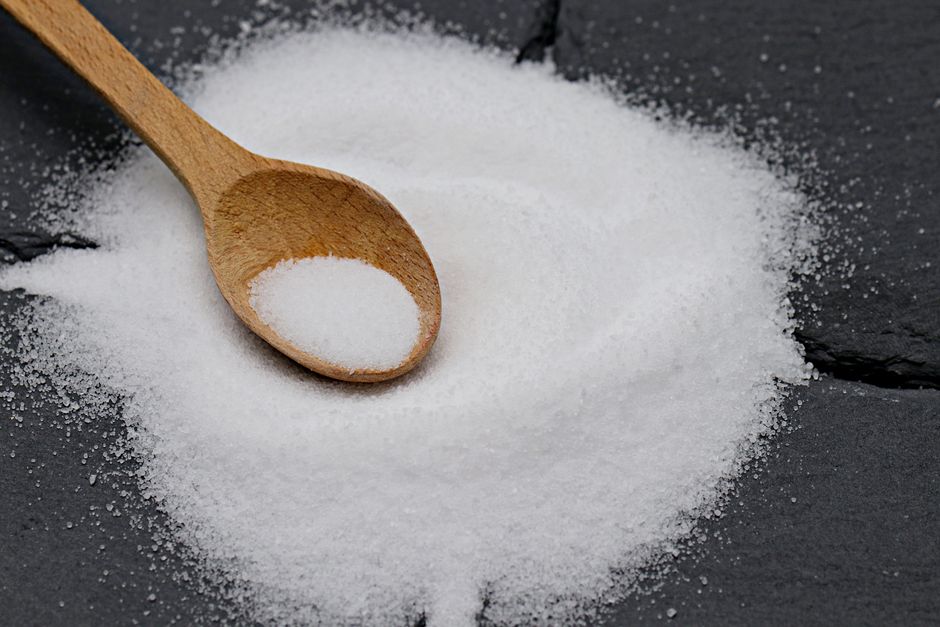
Sodium chloride is plain table salt, but its role in the body goes far beyond seasoning food. It is an essential electrolyte that your cells, nerves, and muscles depend on to function. The body uses the sodium and chloride parts of this compound to control blood pressure, maintain fluid balance, and send signals through the nervous system.
What Is Sodium Chloride at the Chemical Level?
Sodium chloride is a simple chemical compound made of two elements: sodium and chlorine. When these atoms bond, they form a stable crystal that we know as salt. In the body, however, salt dissolves into separate sodium ions and chloride ions. These charged particles are what your cells actually use.
Each ion has its own job. Sodium is the main positively charged ion outside your cells. Chloride is the main negatively charged ion in the fluid outside your cells. Together, they maintain the electrical gradient that allows nerves to fire and muscles to contract.
Your body cannot make sodium or chloride on its own. You must get them from food. Most people get far more than they need because salt is added to processed foods, restaurant meals, and home cooking.
What Sodium Chloride Is Used For in the Body
Sodium chloride performs several critical jobs that keep you alive. The most important is maintaining fluid balance. Your cells sit in a bath of fluid that must stay at the right salt concentration. If the concentration changes, water moves in or out of cells to correct it. This process, called osmosis, depends directly on sodium levels.
The second major job is nerve signaling. When a nerve needs to send a message, sodium ions rush into the nerve cell. This creates an electrical charge that travels down the nerve. Without adequate sodium, this process slows or stops entirely.
Muscle contraction also depends on sodium chloride. Every time your heart beats or you lift an object, sodium and chloride ions are part of the chemical reaction that makes muscle fibers shorten. This includes the smooth muscles lining your blood vessels and digestive tract.
Chloride specifically helps maintain the acid-base balance in your blood. It also plays a role in the production of stomach acid, which you need to digest food and kill harmful bacteria that enter your digestive system.
Medical Uses of Sodium Chloride
Beyond its natural role in the body, sodium chloride is one of the most widely used substances in medicine. The most common form is normal saline, a sterile solution of 0.9% sodium chloride in water. This solution matches the salt concentration of human blood.
Normal saline is used intravenously to treat dehydration. It restores fluid volume quickly when someone cannot drink enough water or has lost excessive fluids through vomiting, diarrhea, or sweating. It is also the standard fluid given during surgery and in emergency rooms.
Saline is used to rinse wounds and clean medical equipment. Because it has the same salt concentration as body fluids, it does not damage tissues the way plain water might. It also helps remove debris and bacteria from cuts and abrasions.
Nasal saline sprays and rinses are common treatments for congestion. They thin mucus and flush out allergens and irritants from the nasal passages. These products are available over the counter and are generally considered safe for regular use.
In rare medical cases, concentrated sodium chloride solutions are used to correct dangerously low blood sodium levels. This treatment requires close monitoring because raising sodium too quickly can cause serious brain damage.





How Much Sodium Chloride Do You Need?
The amount of sodium chloride you need depends on your age, health status, and activity level. The Dietary Guidelines for Americans recommend limiting sodium intake to less than 2,300 milligrams per day for most adults. This equals about one teaspoon of salt.
Many people consume far more than this. The average American diet contains roughly 3,400 milligrams of sodium per day. Most of this comes from processed foods, not from salt added at the table. Breads, deli meats, canned soups, and restaurant meals are major sources.
People with high blood pressure, kidney disease, or heart failure are often advised to consume less sodium. Some clinicians recommend a target of 1,500 milligrams per day for these groups, though individual recommendations vary based on the person’s overall health and medications.
On the other end, athletes and people who sweat heavily may need more sodium. Heavy sweating removes both water and salt from the body. Sports drinks and electrolyte supplements are designed to replace these losses, but most people doing routine exercise do not need them.
What Happens When Sodium Chloride Levels Are Too Low?
Low sodium in the blood is called hyponatremia. This condition occurs when sodium levels drop below 135 milliequivalents per liter of blood. The normal range is 135 to 145 milliequivalents per liter.
Mild hyponatremia can cause headache, nausea, and fatigue. As levels drop further, symptoms can progress to confusion, seizures, and coma. Severe hyponatremia is a medical emergency that requires immediate treatment.
Hyponatremia is most common in certain situations. Endurance athletes who drink large amounts of plain water without replacing sodium can develop it. Older adults on certain medications, especially diuretics, are also at higher risk. People with heart failure, liver disease, or kidney disease may retain water and dilute their blood sodium.
Drinking excessive water in a short period can also cause hyponatremia. This is why hydration advice always includes the caveat that water intake must be balanced with electrolyte intake.
What Happens When Sodium Chloride Levels Are Too High?
High sodium in the blood is called hypernatremia. This occurs when sodium levels rise above 145 milliequivalents per liter. It is less common than hyponatremia but can be just as dangerous.
Hypernatremia usually results from dehydration rather than from eating too much salt. When the body loses more water than sodium, the remaining sodium becomes more concentrated. This can happen with severe diarrhea, excessive sweating, or not drinking enough water.
Symptoms include intense thirst, dry mouth, muscle twitching, and confusion. In severe cases, it can cause seizures or coma. Older adults and infants are at the highest risk because their thirst mechanisms and fluid regulation are less reliable.
Long-term high sodium intake does not typically cause hypernatremia in healthy people because the kidneys excrete excess sodium in urine. Instead, chronic high intake is linked to high blood pressure, which increases the risk of heart disease and stroke.
Sodium Chloride in Food Preservation and Safety
Sodium chloride has been used to preserve food for thousands of years. Salt preserves food by drawing water out of bacterial cells through osmosis. Without water, bacteria cannot grow or multiply. This is why salted meats, fish, and vegetables can last for months without refrigeration.
Salt also inhibits the growth of certain pathogens that cause foodborne illness. The combination of salt, acid, and temperature control is what makes fermented foods like pickles and sauerkraut safe to eat.
Modern food processing still relies heavily on salt for preservation, but it is also added for flavor and texture. This creates a tension between food safety and health. Processed meats, canned goods, and snack foods often contain salt levels far above what is needed for preservation alone.
Frequently Asked Questions
Is sodium chloride the same as table salt?
Yes, sodium chloride is the chemical name for table salt. It contains about 40% sodium and 60% chloride by weight.
Can you be allergic to sodium chloride?
True allergy to sodium chloride is essentially nonexistent because it is required for survival. Some people are sensitive to additives in commercial salt, such as anti-caking agents or iodine.
Does sea salt have less sodium than table salt?
Sea salt and table salt contain the same amount of sodium by weight. Sea salt may have a different texture and trace minerals, but the sodium content is equivalent.
Is salt water good for a sore throat?
Gargling with warm salt water can temporarily soothe a sore throat by reducing swelling and drawing fluid out of inflamed tissues. It does not cure the underlying infection.
