
If you are looking for the single soda with the most sugar, the answer is not a mainstream brand you will find in every vending machine. It is a specialty soda called Polar Ice, which packs an extraordinary 78 grams of sugar in a single 20-ounce bottle. That is nearly 20 teaspoons of sugar. For context, the American Heart Association recommends men consume no more than 36 grams of added sugar per day, and women no more than 25 grams. One bottle of Polar Ice blows past both of those limits several times over.
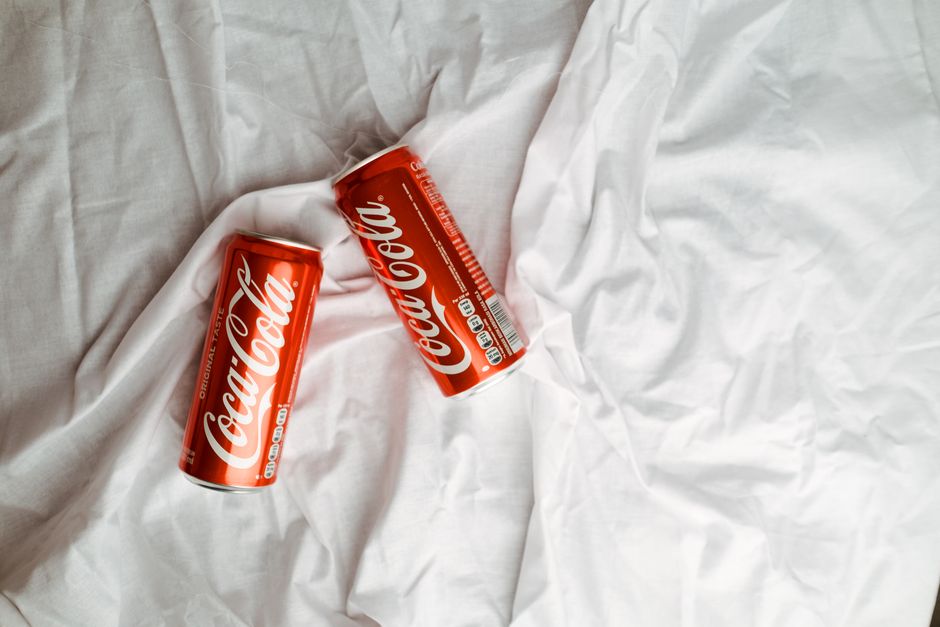
But most people want to know about the sodas they actually see in stores. Among major national brands, the title belongs to Mountain Dew, which contains 77 grams of sugar in a 20-ounce bottle. Regular Pepsi and Coca-Cola both contain 69 grams in the same size. These numbers matter because the difference between 69 and 77 grams may not look huge on a label, but it represents roughly two extra teaspoons of sugar per bottle.
How Much Sugar Is Actually In Popular Sodas?
The sugar content in soda varies widely depending on the brand and the serving size. Most standard cans are 12 ounces, while plastic bottles typically come in 16.9 or 20 ounces. That size difference changes the math significantly.
Here is a direct comparison of popular sodas based on a standard 12-ounce can:
- Mountain Dew: 46 grams
- Pepsi: 41 grams
- Coca-Cola: 39 grams
- Dr Pepper: 39 grams
- Sprite: 38 grams
- Fanta Orange: 44 grams
- Mug Root Beer: 41 grams
These numbers come directly from nutrition labels and are consistent across production runs. The pattern is clear: citrus sodas like Mountain Dew and Fanta tend to carry more sugar than colas. That is because the tart flavor of citrus requires more sweetener to balance the acidity.
Why Do Some Sodas Have More Sugar Than Others?
The sugar in soda is not just there for sweetness. It serves a structural role in the drink. Carbonated water is acidic, and sugar masks the sharp bite of carbonation. Without enough sugar, the acidity would dominate the flavor profile and the drink would taste harsh rather than refreshing.
Citrus-flavored sodas face a specific challenge. The citric acid used in these drinks is more aggressive on the palate than the phosphoric acid used in colas. To make a lemon-lime or orange soda taste balanced, manufacturers add more sugar. That is why Mountain Dew and Fanta consistently rank near the top of sugar content charts while colas sit in the middle range.
Diet sodas replace sugar with artificial sweeteners like aspartame or sucralose. These sweeteners are hundreds of times sweeter than sugar by weight, so only a tiny amount is needed. The result is a drink with near-zero calories that still tastes sweet. But the mouthfeel is different — sugar adds body and viscosity that artificial sweeteners cannot fully replicate.
What About Mexican Coke And Other Imported Sodas?
Mexican Coca-Cola has become popular in the United States because it is sweetened with cane sugar rather than high-fructose corn syrup. Many people assume this makes it healthier. It does not.
Mexican Coke contains the same amount of sugar as American Coke. The difference is only the source of that sugar. Cane sugar and high-fructose corn syrup are both roughly half glucose and half fructose. Your body processes them nearly identically. The metabolic effect of 39 grams of sugar is the same regardless of whether that sugar came from cane or corn.
The taste difference is real, though. Cane sugar has a slightly different flavor profile and dissolves differently in the mouth. But if you are watching sugar intake, switching to Mexican Coke changes nothing.



How Does Soda Sugar Compare To Other Sweet Drinks?
Soda is often singled out for its sugar content, but it is not the only sugary drink on the shelf. Some beverages that are marketed as healthier options actually contain more sugar than soda.
Sweetened iced teas can carry 40 to 50 grams of sugar per bottle. Fruit punch and fruit cocktails often exceed 50 grams. Even some bottled smoothies contain 60 grams or more of naturally occurring sugar from fruit. The distinction between natural and added sugar matters for some health claims, but your body processes them the same way.
The broader point is that liquid sugar is absorbed quickly. When you drink sugar, it enters your bloodstream faster than when you eat the same amount in solid food. This rapid spike in blood glucose triggers an insulin response that can contribute to weight gain and insulin resistance over time.
Does Sugar-Free Soda Actually Help?
Switching from regular to diet soda eliminates sugar calories entirely. A 12-ounce can of regular Coke has 140 calories, all from sugar. The diet version has zero. That is a meaningful change for anyone trying to reduce calorie intake.
But the evidence on diet soda and weight loss is mixed. Some studies suggest that people who drink diet soda lose more weight than those who drink regular soda. Other research indicates that diet soda drinkers may compensate by eating more calories elsewhere. The long-term metabolic effects of artificial sweeteners are still being studied, and no consensus has emerged.
Water remains the clear choice for hydration. Unsweetened sparkling water with a squeeze of lemon provides the carbonation people enjoy from soda without any sugar or artificial sweeteners.
How Much Sugar Is Too Much?
The 2020-2025 Dietary Guidelines for Americans recommend that added sugar make up less than 10 percent of daily calories. For a person eating 2,000 calories per day, that means no more than 200 calories from added sugar, or about 50 grams.
One 12-ounce can of Mountain Dew puts you at 46 grams — nearly the entire daily allowance. A 20-ounce bottle pushes you to 77 grams, which is 54 percent over the limit. Even a single can of Coke at 39 grams leaves only 11 grams of room for any other added sugar in your diet that day.
For context, the average American consumes about 77 grams of added sugar per day, according to data from the Centers for Disease Control and Prevention. That is roughly the equivalent of one 20-ounce Mountain Dew per day. This level of intake is associated with increased risk of obesity, type 2 diabetes, and cardiovascular disease.
Are There Sodas With Less Sugar?
If you want to keep soda in your routine but cut back on sugar, there are options between full-sugar and diet versions.
Some brands now offer “mid-calorie” sodas that use a blend of sugar and artificial sweeteners. These typically contain about half the sugar of their regular counterparts. The taste is closer to regular soda than diet, but the sugar savings are real.
Another option is to dilute regular soda with sparkling water. Mixing half soda and half sparkling water cuts the sugar content in half while keeping most of the flavor. This is a practical approach that requires no special products.
The most reliable way to know how much sugar you are drinking is to check the nutrition label. Serving sizes vary by container, so always multiply the sugar per serving by the number of servings in the bottle. A 20-ounce bottle is 1.67 servings, not one.
Frequently Asked Questions
What soda has the most sugar per ounce?
Specialty sodas like Polar Ice lead per-ounce sugar content at nearly 4 grams per ounce. Among major national brands, Mountain Dew has the highest concentration of sugar.
How many teaspoons of sugar are in a can of soda?
A standard 12-ounce can of cola contains about 10 teaspoons of sugar. Citrus sodas like Mountain Dew contain closer to 11.5 teaspoons in the same serving size.
Is one soda a day too much sugar?
Yes. A single 12-ounce can of regular soda exceeds half of the recommended daily limit for added sugar. A 20-ounce bottle exceeds the entire daily limit for most adults.
Does diet soda have any sugar?
No. Diet sodas use artificial sweeteners instead of sugar and contain zero grams of sugar per serving.
