
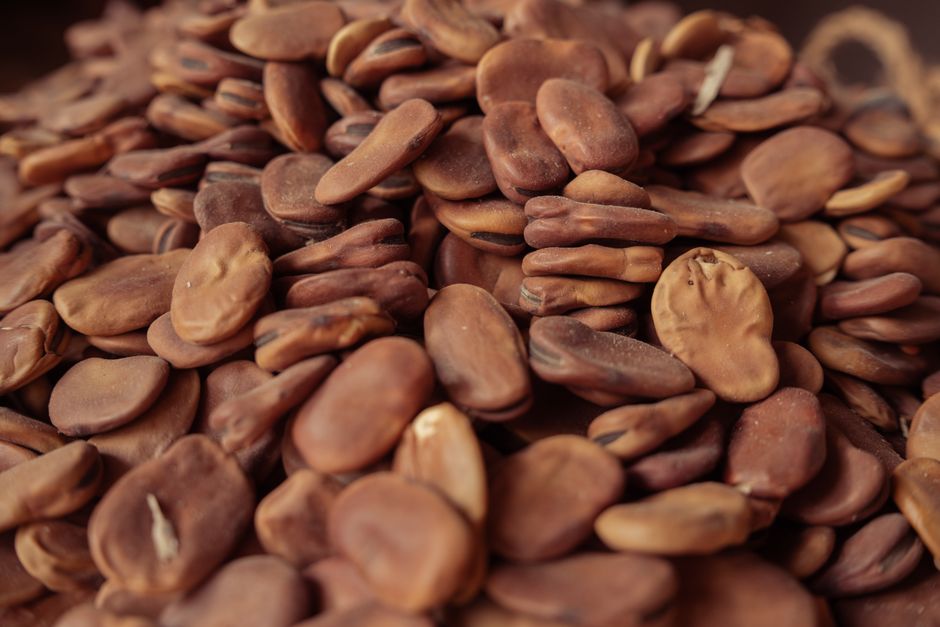
There is no single “most healthy” bean that wins for everyone. The honest answer is that the healthiest bean is the one you eat regularly, because all beans share a strong nutritional foundation. Different beans do have different strengths, and some stand out for specific health goals. This guide breaks down what beans offer, which ones lead in key nutrients, and how to choose based on your needs.
What Is The Most Healthiest Bean? Definition
When people ask what the most healthiest bean is, they usually want a single winner. The evidence does not support that. Beans as a food group are consistently linked to better heart health, steadier blood sugar, and healthy digestion. The differences between bean types matter less than the fact that you are eating them at all.
That said, certain beans do lead in specific areas. Soybeans have the most protein. Navy beans and lentils top the fiber charts. Lupini beans are unusually high in protein for a legume. Kidney beans and pinto beans are everyday workhorses with balanced nutrition. Peanuts, which are technically beans, are highest in fat and calories.
Your personal health priorities should drive the choice. If you need more iron, soybeans and lentils win. If you want maximum fiber per serving, navy beans take the lead. If you are managing blood sugar, most beans perform well, but black beans and chickpeas have solid evidence behind them.
What Makes Beans Healthy in the First Place?
Beans are seeds from the legume family. They grow in pods, and when dried, they become shelf-stable pantry staples. Their health value comes from a combination of nutrients that work together rather than any single compound.
One serving of cooked beans, about half a cup, typically provides 7 to 9 grams of protein. That is substantial for a plant food. Beans also deliver 6 to 8 grams of fiber per half-cup serving, which is roughly a quarter of the daily recommended intake for most adults.
Beans are rich in potassium, magnesium, and folate. They are naturally low in sodium and contain no saturated fat. This nutrient package is why regular bean consumption appears in study after study as a marker of better diet quality.
The fiber in beans deserves special attention. It feeds the beneficial bacteria in your colon. Those bacteria produce short-chain fatty acids, which support gut health and may influence inflammation throughout the body. This is an established mechanism, not a marketing claim.
Which Bean Has the Most Protein?
Soybeans are the clear protein leader among beans. A half-cup of cooked soybeans provides roughly 15 to 17 grams of protein. That is nearly double what most other beans offer. This is why soy products like tofu and tempeh are staples in plant-based diets.
Lupini beans are a less common but notable contender. They provide around 12 to 13 grams of protein per half-cup when cooked. They are more popular in Mediterranean countries than in the United States, but they are becoming easier to find in specialty stores.
Most other beans cluster in the 7 to 9 gram range per half-cup. Lentils, chickpeas, black beans, kidney beans, and pinto beans all land here. The protein in beans is incomplete on its own, meaning it lacks adequate amounts of one or more essential amino acids. Eating beans with grains, such as rice and beans, solves this easily and is a traditional combination across many cultures.




Which Bean Has the Most Fiber?
Navy beans take the fiber crown. A half-cup of cooked navy beans provides about 9 to 10 grams of fiber. That is more than a third of the daily fiber target for most adults.
Other high-fiber options include lentils at roughly 8 grams per half-cup, and kidney beans and black beans at about 7 to 8 grams. Chickpeas and pinto beans provide around 6 to 7 grams in the same serving size.
Fiber is the nutrient most Americans fall short on. The average adult consumes about 15 grams per day, while recommendations call for 25 to 38 grams depending on age and sex. Swapping one serving of a low-fiber side dish for a half-cup of beans is one of the simplest ways to close that gap.
If your digestive system is not used to beans, start with smaller portions. A sudden jump in fiber can cause gas and bloating. Rinsing canned beans thoroughly and increasing intake gradually both help reduce digestive discomfort.
Which Beans Are Best for Blood Sugar Control?
Beans have a low glycemic index, meaning they raise blood sugar slowly compared to white bread or potatoes. This makes them valuable for people with type 2 diabetes or prediabetes. The combination of fiber, protein, and resistant starch slows digestion and blunts glucose spikes.
Black beans and chickpeas have been studied specifically for blood sugar responses. Research consistently shows that replacing refined carbohydrates with beans improves post-meal glucose control. This effect appears within a single meal, not just over months of consistent eating.
Beans also contain resistant starch, a type of starch that resists digestion in the small intestine. It reaches the colon intact, where it feeds gut bacteria. Cooking and then cooling beans increases their resistant starch content. This is why cold bean salads may have a slightly different metabolic effect than hot bean soups.
People with diabetes should still count beans as carbohydrates. A half-cup of cooked beans contains roughly 20 to 25 grams of carbohydrates, though about half of that is fiber and resistant starch that does not raise blood sugar the same way simple sugars do.
What About Iron, Magnesium, and Other Minerals?
Beans are a meaningful source of several minerals that many Americans do not get enough of. The standout is magnesium, which plays a role in over 300 enzymatic reactions in the body. A half-cup of cooked beans provides about 40 to 60 milligrams, or roughly 10 to 15 percent of the daily target.
Iron is another important mineral found in beans. Soybeans, lentils, and kidney beans are among the highest iron sources. A half-cup provides about 2 to 4 milligrams of iron. The catch is that plant iron, called non-heme iron, is less absorbable than the heme iron found in meat. Eating beans with vitamin C-rich foods, such as tomatoes or bell peppers, improves absorption.
Potassium is also present in meaningful amounts. A half-cup of cooked beans provides roughly 300 to 500 milligrams of potassium. This mineral helps counterbalance sodium and supports healthy blood pressure regulation.
One mineral beans are low in is calcium. Soybeans and white beans are the exceptions, providing more calcium than other varieties. If you rely on beans as a major protein source and do not consume dairy, pay attention to calcium from other foods.
Are Canned Beans as Healthy as Dried Beans?
Canned beans are nearly as healthy as dried beans cooked from scratch. The canning process does not significantly reduce protein, fiber, or most minerals. The main difference is sodium. Many canned beans are packed with salt water, and a half-cup can contain 300 to 500 milligrams of sodium.
Rinsing canned beans under running water for 30 seconds removes a substantial portion of that sodium. Studies have shown rinsing can reduce sodium content by 30 to 40 percent. Choosing “no salt added” or “low sodium” varieties eliminates the issue entirely.
Some research has looked at whether canning affects the antioxidant content of beans. Results are mixed, with some studies showing slight reductions and others showing no meaningful change. The convenience of canned beans likely outweighs any minor nutrient loss for most people, because you are more likely to actually eat them.
Dried beans cost less per serving and let you control sodium completely. They require planning because most need soaking and longer cooking times. Pressure cookers, including Instant Pots, have made dried beans much more practical for weeknight cooking.
Do Beans Cause Digestive Problems?
Beans contain oligosaccharides, a type of carbohydrate that humans cannot digest. These carbohydrates travel to the colon intact, where bacteria ferment them. That fermentation produces gas, which causes the bloating and flatulence some people experience after eating beans.
This is normal physiology, not a sign that beans are bad for you. The discomfort typically decreases as your gut bacteria adapt to the increased fiber. Regular bean eaters often report fewer digestive issues over time.
Several preparation methods reduce gas-producing compounds. Soaking dried beans overnight and discarding the soaking water helps. Cooking beans thoroughly also breaks down some of these carbohydrates. For canned beans, draining and rinsing removes some of the oligosaccharides that leach into the canning liquid.
Over-the-counter enzyme products like alpha-galactosidase, sold under brand names like Beano, break down these carbohydrates before they reach the colon. These products have evidence supporting their use for reducing bean-related gas.
Which Bean Should You Actually Buy?
Choose based on what you will actually eat and enjoy. The health benefits of beans only appear with regular consumption. A bean sitting in your pantry provides no nutrition.
If you want the highest protein, choose soybeans or lupini beans. If fiber is your priority, navy beans or lentils are excellent choices. If you want a versatile everyday bean that works in soups, salads, and dips, chickpeas or black beans are hard to beat.
Consider a rotation. Eating different beans exposes you to a wider range of nutrients and keeps meals interesting. There is no evidence that any single bean is superior enough to justify eating it exclusively.
Beans are one of the most cost-effective healthy foods available. A pound of dried beans costs roughly two to three dollars and provides about ten half-cup servings of cooked beans. That makes them accessible regardless of budget.
Frequently Asked Questions
What is the healthiest bean to eat every day?
The healthiest bean to eat daily is whichever one you will consistently prepare and enjoy. Soybeans, lentils, and navy beans each lead in specific nutrients, but regular consumption of any bean provides the main health benefits.
Are beans a protein or a carbohydrate?
Beans are both. A half-cup of cooked beans contains roughly 7 to 9 grams of protein and 20 to 25 grams of carbohydrates, about half of which is fiber and resistant starch.
Is it okay to eat beans every day?
Yes, eating beans daily is safe and healthy for most people. Start with smaller portions if you are not used to high-fiber foods, and increase gradually to minimize digestive discomfort.
Do canned beans lose their nutrients?
Canned beans retain most of their protein, fiber, and minerals. They may contain added sodium, but rinsing them thoroughly or choosing low-sodium varieties solves that issue.
