
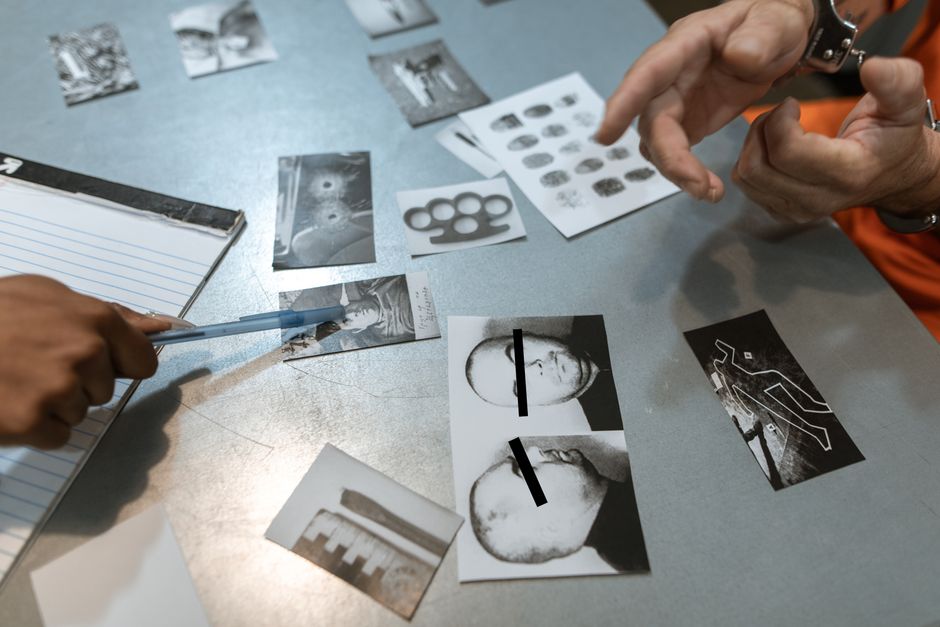
Forensic psychology requires a specific mix of clinical skills, legal knowledge, and scientific thinking. You need to assess people accurately, communicate findings clearly to courts, and stay objective under pressure. It is not just about understanding criminals — it is about applying psychology within the legal system.
What Are the Core Skills for Forensic Psychology?
Research shows that forensic psychologists need three main skill sets. First, strong clinical assessment skills to evaluate mental state, competency, and risk. Second, the ability to write clear reports that non-psychologists can understand. Third, comfort with being cross-examined in court.
The American Psychological Association notes that forensic psychologists must also understand legal procedures. This includes knowing how evidence rules work and what a court expects from an expert witness. Without this knowledge, even good clinical work can be useless in a legal setting.
One skill that surprises many people is emotional detachment. You cannot let sympathy or anger influence your judgment. The court needs your honest opinion, not your personal feelings about the case.
What Skills Are Needed For Forensic Psychology in Court?
Courtroom testimony is where many forensic psychologists face their biggest test. You must explain complex psychological concepts in plain language. Judges and juries do not have psychology degrees. If you use jargon, you lose them.
Being cross-examined requires quick thinking. A lawyer may try to twist your words or make you seem uncertain. You need to stay calm, clarify your statements, and admit when you do not know something. The National Institute of Justice emphasizes that honesty under pressure is what makes a credible witness.
You also need to write reports that hold up in court. Every sentence must be defensible. If you say “the defendant shows signs of psychosis,” you better have the test results and clinical notes to back it up. Vague language gets torn apart by lawyers.
What Training and Education Do You Need?
Becoming a forensic psychologist requires a doctoral degree. Most people earn a PhD or PsyD in clinical psychology with a specialization in forensic psychology. This takes about 5-7 years after a bachelor’s degree.
During training, you learn assessment tools specific to legal questions. These include tests for competency to stand trial, insanity evaluations, and risk assessment for future violence. You also learn how to handle malingering — when someone fakes symptoms to avoid punishment.
After your degree, you need a state license to practice. Most states require 1-2 years of supervised experience and passing a national exam. Some states also require extra training in forensic ethics.
The table below shows the typical path:
| Step | Time Required | Key Focus |
|---|---|---|
| Bachelor’s degree | 4 years | Psychology, criminal justice, research methods |
| Doctoral degree | 5-7 years | Clinical training, forensic specialization, dissertation |
| Supervised experience | 1-2 years | Court evaluations, report writing, testimony practice |
| Licensing exam | Varies | National and state-specific requirements |





What Personal Qualities Matter Most?
Technical skills are only half the picture. Your personality and values matter a lot in this field. You need intellectual humility — the willingness to change your opinion when new evidence appears. Courts hate experts who are stubborn about outdated views.
Patience is also critical. Forensic evaluations take hours. You may interview someone for three hours, review 500 pages of records, and then spend another day writing the report. Rushing leads to mistakes that can affect someone’s freedom.
Some people report that the work is emotionally draining. You hear about violent crimes, abuse, and deep human suffering. Without good self-care habits, burnout is common. The American Psychological Association recommends regular supervision and peer support to manage this stress.
Curiosity about human behavior is another quality that helps. You need to genuinely want to understand why people do what they do — even when their actions are disturbing. This curiosity keeps you engaged rather than just going through the motions.
What Does Research on Forensic Psychology Skills Show?
Studies published in the Journal of Forensic Psychology Practice have found that the most effective forensic psychologists share one trait: they are good at separating facts from assumptions. They do not jump to conclusions based on a person’s history or diagnosis. They wait for the data.
Research also shows that writing quality matters more than people think. A 2019 study in Law and Human Behavior found that judges rated reports higher when they included clear explanations of why each conclusion was reached. Reports that just stated conclusions without reasoning were seen as less credible.
Some studies suggest that experience in a specific type of evaluation improves accuracy. For example, psychologists who do many competency evaluations get better at spotting malingering than those who only do them occasionally. This is widely claimed though strong evidence is limited on exactly how much experience matters.
Evidence indicates that forensic psychologists who stay current with research produce better work. The field changes. New assessment tools come out. Old ones get debunked. If you stop reading studies, your evaluations become outdated.
What Are the Common Misconceptions About Forensic Psychology Skills?
Many people think forensic psychology is like what they see on TV. Shows like “Criminal Minds” make it look like psychologists profile serial killers in real time. That is not how it works. Most forensic psychologists spend their time doing evaluations, not chasing criminals.
Another misconception is that you need to be a “people person” who can charm anyone. Actually, being too friendly can hurt your credibility. You need to be professional and neutral, not warm and buddy-buddy with clients. The court does not want your friendship — it wants your objective opinion.
Some people believe you need a degree in criminal justice or law. That is false. Your foundation must be in clinical psychology. You can learn legal procedures on the job or through continuing education. But you cannot learn how to do a proper mental health evaluation without clinical training.
A final misconception is that forensic psychology pays extremely well. While it pays decently — median around $100,000 per year according to the Bureau of Labor Statistics — it is not the six-figure dream some imagine. Private practice can earn more, but that comes with business costs and less stability.
What Skills Should You Avoid Thinking Are Required?
Some skills get mentioned in online articles that are not actually necessary. For example, you do not need to be a “profiler.” Profiling is a very small part of forensic psychology and most practitioners never do it. Do not choose this career because you want to profile serial killers.
You also do not need to be an expert in every area of psychology. Forensic psychologists specialize. Some focus on juvenile offenders. Others work with competency evaluations or insanity pleas. Trying to master everything leads to shallow knowledge in all areas.
Being a fast reader is not required either. Yes, you review many records. But accuracy matters more than speed. Taking time to understand a file is better than rushing through it. The court will not penalize you for being thorough.
One more thing: you do not need to be comfortable with violence or graphic details. Some people assume you must have a strong stomach. While you will hear difficult things, most forensic psychologists do not work directly with crime scenes or autopsies. That is for forensic pathologists and crime scene investigators.
Frequently Asked Questions
What degree do you need for forensic psychology?
You need a doctoral degree — either a PhD or PsyD — in clinical psychology with forensic training. A master’s degree alone is not enough for independent practice.
How long does it take to become a forensic psychologist?
It typically takes 9-11 years after high school including a bachelor’s degree, doctoral program, and supervised experience. Licensing adds more time depending on your state.
Do forensic psychologists work with police?
Some do, but most work in correctional facilities, courts, or private practice. Direct police work like profiling is rare and usually done by specialized FBI agents.
Is forensic psychology a stressful career?
Yes, many people report high stress from heavy caseloads and exposure to disturbing material. Good self-care and supervision are important for long-term success.
