
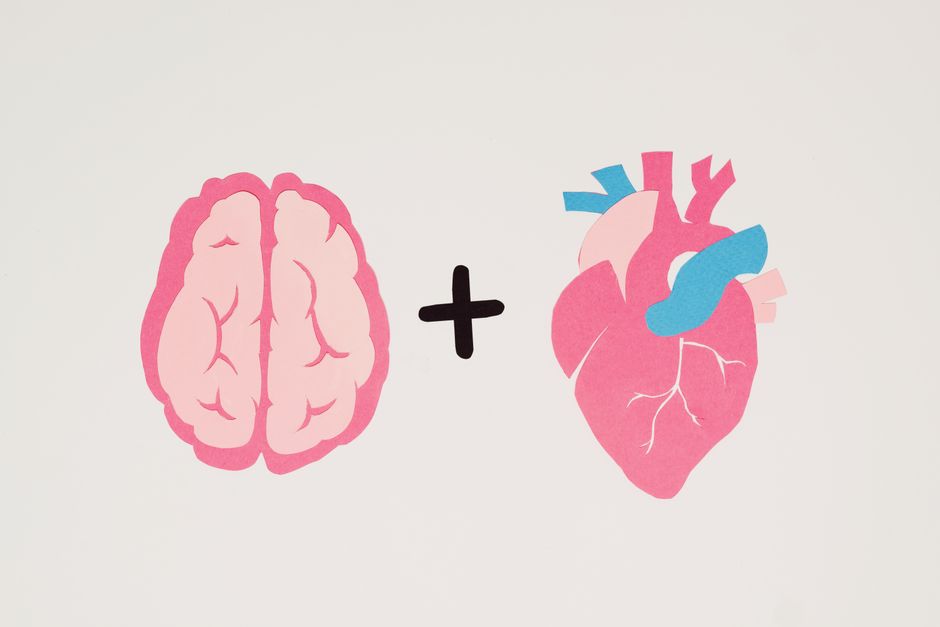
Most people think passionate love is just the honeymoon phase — the butterflies, the obsession, the can’t-eat-can’t-sleep feeling. In psychology, passionate love is a distinct emotional and motivational state. It is defined by intense longing, physical arousal, and a powerful focus on another person. It is not the same as companionate love, which is about deep friendship and commitment. Research shows passionate love has specific psychological and biological markers that set it apart from other human experiences.
What Does Research on Passionate Love in Psychology Show?
Psychologists have studied passionate love for decades. The most widely used tool to measure it is the Passionate Love Scale, developed by social psychologists Elaine Hatfield and Susan Sprecher. This scale asks people to rate statements like “I would feel deep despair if [this person] left me.” High scores on this scale correlate with specific brain activity.
Studies using fMRI scans have found that passionate love activates the brain’s reward system. The same areas that light up in response to cocaine or winning money also light up when someone sees a photo of their beloved. This is not poetic metaphor. It is measurable biology. The ventral tegmental area and the caudate nucleus are heavily involved. These are dopamine-rich regions linked to wanting and craving, not just liking.
Research published in the Journal of Neurophysiology found that passionate love can last longer than most people assume. The idea that it fades after 18 months is not backed by strong evidence. Some studies suggest it can persist for years, even decades, in some relationships. The key variable is not time. It is whether the relationship is mutual and whether partners continue to engage in novel and exciting activities together.
How Does the Brain Change During Passionate Love?
When someone is in passionate love, their brain chemistry shifts noticeably. Dopamine levels rise, which creates feelings of euphoria and focused attention. Norepinephrine increases, which explains the racing heart, sweaty palms, and inability to sleep. Serotonin levels actually drop, which may explain the obsessive thinking that often comes with new love. Low serotonin is associated with obsessive-compulsive disorder. So the “crazy” feeling of early love has a real chemical basis.
Cortisol, the stress hormone, also spikes in the early stages. This is why falling in love can feel both wonderful and exhausting. The body is in a state of high arousal. Over time, if the relationship stabilizes, cortisol levels drop and oxytocin takes over. Oxytocin is the bonding hormone released during touch, sex, and even eye contact. It promotes feelings of calm and attachment.
One non-obvious finding: passionate love and long-term attachment use different brain systems. The dopamine-driven reward system that fuels early passion is not the same as the oxytocin-driven system that supports long-term bonding. This is why a couple can have deep attachment but low passion, or intense passion but weak attachment. Both systems can coexist, but they do not automatically overlap.
What Are the Signs of Passionate Love in Psychology?
Psychologists look for specific behavioral and emotional signs. These are not just feelings. They are observable patterns that researchers can measure.
- Intrusive thinking: The person cannot stop thinking about their partner. Thoughts intrude during work, sleep, and conversations with others.
- Idealization: The person sees their partner as perfect or nearly perfect. Flaws are minimized or reframed as endearing.
- Physical arousal: Being near the partner causes sweating, trembling, or a racing heart. This is not just sexual arousal, though that is common.
- Fear of rejection: The person feels vulnerable and anxious about whether the feelings are returned. This can lead to clingy or avoidant behavior.
- Emotional dependency: The person feels incomplete without the partner. Their mood depends heavily on the partner’s attention and affection.
These signs are normal in the early stages of a romantic relationship. They become a concern only when they interfere with daily functioning or last for years without evolving into a more stable bond.




Is Passionate Love the Same as Being in Love?
Not exactly. In psychology, “being in love” usually refers to the full experience of romantic love, which includes both passionate and companionate elements. Passionate love is just one component. It is the intense, hot part. Companionate love is the warm, steady part.
This distinction matters because people often confuse the intensity of passionate love with the depth of a relationship. A relationship can feel incredibly passionate but lack trust, respect, or shared values. That is not true partnership. It is a chemical storm. And a relationship can be deeply loving with very little passion. That is not necessarily a problem, but it is a different experience.
Psychologist Robert Sternberg’s Triangular Theory of Love breaks love into three components: intimacy, passion, and commitment. Passionate love maps onto the passion component. Consummate love, which Sternberg considers the fullest form, includes all three. But many relationships never reach consummate love, and that is okay. Different types of love serve different purposes at different life stages.
One important clarification: passionate love is not exclusive to romantic relationships. People can experience passionate love for a cause, a place, or even a spiritual figure. But in psychology, the term most often refers to romantic contexts because that is where the research is strongest.
What Are the Side Effects of Passionate Love in Psychology?
Passionate love has both positive and negative effects. The positive ones are well known: euphoria, increased energy, a sense of meaning, and motivation to pursue the partner. But the downsides are real and worth understanding.
Cognitive impairment is one. Research has found that people in passionate love make riskier decisions. They are more likely to overlook red flags in a partner. They also show reduced activity in the prefrontal cortex, which is the part of the brain responsible for critical thinking and impulse control. This is why friends often see problems that the person in love cannot see.
Sleep disruption is common. The combination of high dopamine and high cortisol can make it hard to fall asleep or stay asleep. Some people lose their appetite. Others report feeling physically ill when separated from their partner. These symptoms are temporary for most people, but they can be distressing.
Obsessive thinking is another side effect. When passionate love is unrequited or ends abruptly, the brain’s reward system goes into withdrawal. This can feel like addiction. Studies have shown that the same brain regions that activate during drug craving activate during romantic rejection. This is not an exaggeration. The pain of heartbreak has a real neurological basis.
There is also a risk of codependence. If passionate love does not gradually give way to a more balanced attachment, a person may become emotionally dependent on their partner for their sense of self-worth. This can lead to controlling behavior, jealousy, and difficulty being alone.
What Is Passionate Love in Psychology? A Comparison
| Feature | Passionate Love | Companionate Love |
|---|---|---|
| Brain chemicals | Dopamine, norepinephrine, low serotonin | Oxytocin, vasopressin |
| Emotional tone | Intense, euphoric, anxious | Calm, warm, secure |
| Time course | Can be rapid onset | Develops gradually |
| Primary motivation | Desire for union | Desire for closeness |
| Risk of obsession | High | Low |
| Role in relationships | Early attraction, spark | Long-term glue |
Both forms of love are valuable. Neither is better. They serve different functions. A healthy long-term relationship often includes elements of both, though the balance shifts over time.
Can Passionate Love Turn Into Something Healthy?
Yes. Passionate love does not have to fade or turn sour. The key is whether it transforms into a more mature form of love without losing all its intensity. Research suggests that couples who maintain passion over the long term do a few things differently.
They engage in novel and exciting activities together. This is not about date nights at the same restaurant. It is about trying new things that create a mild sense of arousal, which the brain can then misattribute to the partner. This is called the excitation transfer process. Going on a roller coaster, taking a dance class, or traveling to a new place can reignite feelings of passion.
They also maintain physical intimacy. Touch releases oxytocin and keeps the bonding system active. But this does not mean sex has to be frequent. Even holding hands, hugging, and making eye contact can sustain feelings of closeness. The quality of touch matters more than the quantity.
They communicate openly about their needs. Passionate love thrives on mutual desire. When one partner feels pressured or the other feels neglected, the passion can turn into resentment. Honest conversations about what each person wants — and does not want — help keep the relationship balanced.
One common misconception is that passionate love requires conflict. Some people believe that fighting and making up keeps the spark alive. Evidence does not support this. Couples who have high conflict and high passion often have unstable relationships. The passion is real, but so is the damage. Stability and passion are not opposites. They can coexist when both partners feel safe and respected.
What to Avoid When Thinking About Passionate Love
Do not romanticize obsessive behavior. Movies and songs often portray jealous, possessive, or desperate actions as signs of true love. In psychology, these are signs of insecure attachment, not passion. Real passionate love includes respect for the other person’s autonomy. If someone is checking your phone, demanding your time, or threatening self-harm if you leave, that is not love. That is control.
Do not assume passionate love is always healthy. It can be, but it can also be a trap. People stay in bad relationships because the passion is intense. They mistake the high for connection. If a relationship causes more anxiety than joy, the passion is not worth the cost.
Do not expect passionate love to stay the same forever. The brain cannot sustain high levels of dopamine indefinitely. The intensity will naturally soften. That is not a loss. It is a sign that the relationship is maturing. The goal is not to keep the fire at its peak forever. The goal is to keep the fire burning, even if the flames are lower.
Do not use passionate love as a measure of relationship success. Some of the most loving relationships have very low passion. Some of the most passionate relationships are deeply unhealthy. Passion is one variable among many. It matters, but it is not the only thing that matters.
Frequently Asked Questions
How long does passionate love usually last?
There is no fixed timeline, but research suggests the intense phase can last anywhere from a few months to several years. The duration depends on whether the love is mutual and how the relationship is maintained.
Can passionate love turn into a lasting relationship?
Yes, but it requires the addition of companionate love — intimacy, trust, and commitment. Passion alone is not enough for long-term stability.
Is passionate love the same as infatuation?
Psychologists sometimes use the terms interchangeably, but infatuation usually implies a shallow or short-lived attraction. Passionate love can be deep and enduring, especially when it is mutual.
Can you feel passionate love for someone you have never met?
Yes. People can develop passionate love for celebrities, fictional characters, or people they interact with online. This is called limerence when it involves obsessive idealization without real relationship.
