
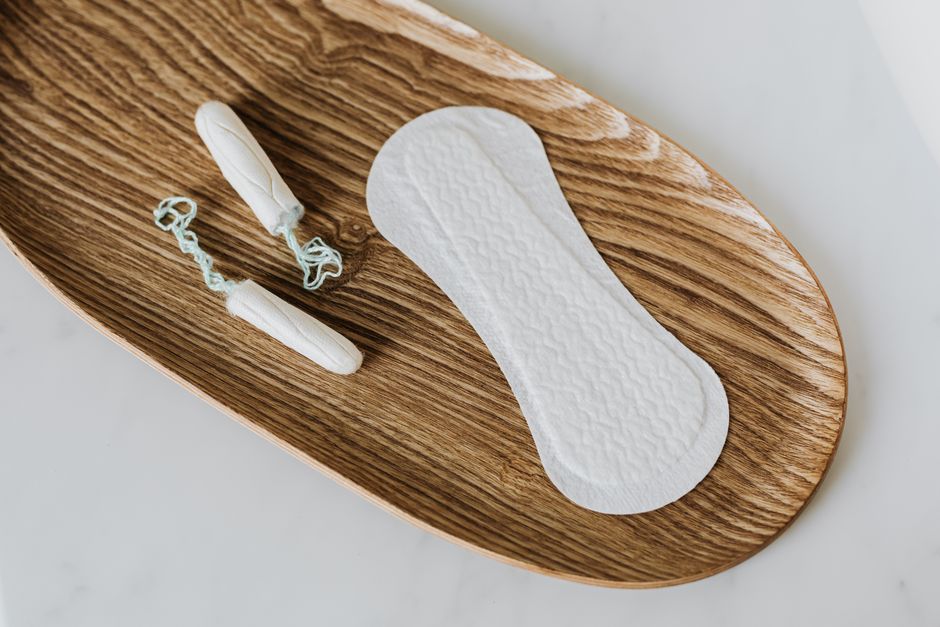
Choosing a tampon size is not about your age, your body type, or how heavy your flow feels in your head. It is about how much menstrual fluid the tampon absorbs before it needs changing. Tampons are sold in absorbency ratings, and the correct size is the lowest absorbency that controls your flow for about four to eight hours without leaking. If a tampon is uncomfortable to remove or comes out mostly dry, it is too absorbent for that day of your period.
Why Tampon Sizes Are Based on Absorbency, Not Comfort
The absorbency rating on the box is the only standardized measure that matters. In the United States, the Food and Drug Administration requires tampon manufacturers to label products using a uniform absorbency scale. That scale exists so you can compare a “regular” tampon from one brand to a “regular” tampon from another and know they hold roughly the same amount.
This is different from pads, where size often refers to physical length and coverage. Tampons are rated by grams of fluid absorbed. That single number determines how long a tampon can safely stay in place and how well it manages your flow.
Comfort matters, but comfort is a signal, not a sizing system. A tampon that fits correctly should be unnoticeable once inserted properly. If you feel it, the issue is usually insertion depth or angle, not the size on the box.
What Are the Tampon Absorbency Ratings?
The FDA scale uses six standard absorbency terms. Each corresponds to a range of fluid absorbed, measured in grams using a standardized test.
- Junior or Light: absorbs 6 grams or less
- Regular: absorbs 6 to 9 grams
- Super: absorbs 9 to 12 grams
- Super Plus: absorbs 12 to 15 grams
- Ultra: absorbs 15 to 18 grams
- Super Ultra: absorbs more than 18 grams
Not every brand makes every size. Many stores carry Light through Super Plus, and the largest sizes can be harder to find. The gram ranges are set by regulation, so they are consistent across brands that follow US labeling rules.
One detail worth knowing: these gram figures come from a laboratory test using a specific fluid, not from real menstrual blood. The numbers are useful for comparing tampons to each other, but they do not tell you exactly how many hours a given tampon will last in your body. Your flow, your anatomy, and your activity level all affect that.
How Do I Pick the Right Size for My Flow?
Start with the smallest size that handles your heaviest day. Most people find that flow changes across the days of a period, so a single size rarely works for the whole cycle.
A practical approach:
- On your heaviest days, use the absorbency that lets you go about four to six hours without leaking.
- On lighter days, size down. Many people use Regular or Light toward the end of a period.
- If you leak within an hour or two on your heaviest day, move up one absorbency level.
- If a tampon is painful or dry to remove, move down one level.
The “change every four to eight hours” guidance is not just about leakage. It is also a safety rule, discussed below. Picking a size that lets you reach that window without leaking is the goal.
Heavy menstrual bleeding is a real medical issue, not just an inconvenience. If you regularly soak through a tampon or pad every hour for several hours, or if your period consistently interferes with daily life, that is worth discussing with a clinician. Heavy bleeding can have treatable causes, including fibroids, hormonal conditions, and bleeding disorders.



What Size Tampon Should I Use Pick By Absorbency?
Match the absorbency to the day, not to a fixed habit. The absorbency scale is designed so you can move up and down as your flow changes.
Here is a general way to think about it:
- Light flow days: Light or Regular
- Moderate flow days: Regular or Super
- Heavy flow days: Super or Super Plus
- Very heavy flow: Super Plus or Ultra, if your flow genuinely requires it
These are starting points, not rules. The right size is the one that keeps you leak-free for a few hours and is comfortable to remove. If you are reaching for the largest size available every day of your period, that is a signal to check in with a clinician about your flow.
Why Does Using the Wrong Size Matter?
Using a tampon that is more absorbent than you need can cause problems. The most immediate is discomfort. A dry tampon can irritate the vaginal walls when you remove it, and that irritation can make you more vulnerable to minor abrasions.
The more serious concern is toxic shock syndrome, or TSS. TSS is a rare but potentially life-threatening condition caused by bacterial toxins, and it has been linked to tampon use. The risk is associated with leaving a tampon in too long and with using higher-absorbency tampons. Because of this, health authorities recommend using the lowest absorbency that works for your flow and changing tampons at least every four to eight hours.
It is worth being precise here: TSS is rare. Most people who use tampons never develop it. But the risk is real enough that the absorbency guidance exists for a reason, and it is not marketing caution. The link between high-absorbency tampons, prolonged wear, and TSS is well documented.
Warning signs of TSS include sudden high fever, vomiting, diarrhea, a sunburn-like rash, muscle aches, and dizziness or fainting. If these appear during or shortly after your period, remove the tampon and seek medical care right away.
Does Tampon Size Relate to Virginity or Age?
No. Tampon size has nothing to do with whether someone is sexually active, and it has nothing to do with age past the point of starting menstruation.
The hymen is a stretchy tissue with an opening, and it does not block tampon use for most people. Some people have hymen variations that make insertion difficult, and that is a reason to talk to a clinician, not a reason to avoid tampons based on size.
Teens can use tampons. The same absorbency logic applies: start with the lowest size that controls flow. A younger person may find smaller sizes easier to insert simply because they are slimmer, but the choice should still be driven by flow.
When Should You Change Tampon Size or Switch Products?
Your flow can change from cycle to cycle, and it often changes over years. What worked at 25 may not work at 40. Hormonal shifts, pregnancy, and perimenopause can all affect menstrual flow.
Consider adjusting your size if:
- You are leaking before the four-hour mark on most days
- You are changing tampons more often than every four hours on a regular basis
- Tampons are consistently uncomfortable to remove
- Your period pattern has changed noticeably from your usual
If tampons are not working well for you, pads, menstrual cups, and period underwear are all options. Menstrual cups in particular are reusable and hold more fluid than most tampons, though they require a different insertion and removal routine and their own cleaning and safety considerations. There is no single best product — only the one that fits your flow and your comfort.
How Do You Insert a Tampon So Size Works Correctly?
Even the right size will feel wrong if it is not inserted far enough. A tampon needs to sit in the upper part of the vagina, past the more sensitive lower area, to be comfortable.
If you can feel the tampon after inserting it, it is usually not in far enough. Try relaxing, changing the angle slightly toward your lower back, and pushing it in a bit further. A small amount of water-based lubricant on the tip can help if insertion is difficult.
If insertion is consistently painful despite trying different sizes and angles, that is worth mentioning to a clinician. Pain with tampon insertion can have causes that are treatable.
Do You Need the Biggest Size for a Heavy Flow?
Not automatically. The largest sizes are for genuinely heavy flow, and using them when you do not need them raises your TSS risk without benefit.
If your flow is heavy enough that Super Plus or Ultra tampons still leak within a couple of hours, the answer is not to hunt for an even bigger tampon. The answer is to have your flow evaluated. Persistent heavy bleeding is common and treatable, and it should not be managed by simply absorbing more.
Some people combine a tampon with a pad or period underwear on heavy days. That is a reasonable backup strategy, and it does not change the core rule: use the lowest absorbency that controls your flow, and change it on schedule.
Frequently Asked Questions
What size tampon should a beginner use?
Start with Light or Regular, whichever controls your flow without leaking for a few hours. The right starting point depends on your flow, not your experience level.
How do I know if my tampon is too absorbent?
If it is painful or dry to remove, or if it comes out mostly white, it is too absorbent. Size down to the next lower rating.
Can I use different tampon sizes on different days?
Yes, and most people should. Flow typically changes across a period, so sizing down on lighter days is both more comfortable and safer.
How long can I safely leave a tampon in?
Change tampons at least every four to eight hours, and use the lowest absorbency that works for your flow. Leaving one in longer raises the risk of toxic shock syndrome, which is rare but serious.
