
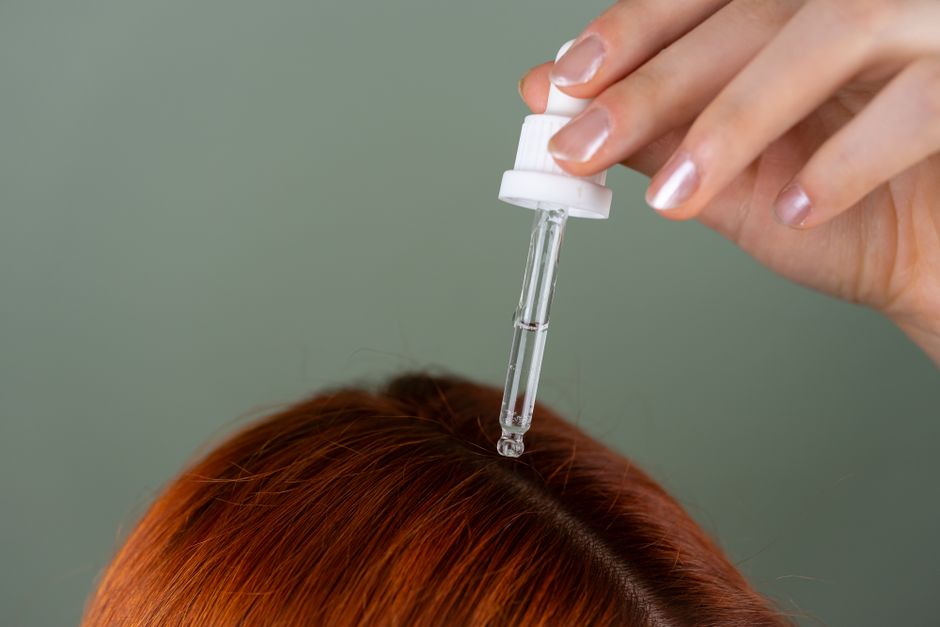
If you have been looking for a natural way to support hair growth, you have probably seen argan oil listed as a miracle fix. The short answer is that argan oil does not directly cause hair to grow faster. But research and traditional use show it can improve the health of your scalp and hair in ways that support better growth over time. This guide breaks down what the evidence actually says, what argan oil can and cannot do, and how to use it if you decide to try it.
What Is Argan Oil and What Is Actually in It?
Argan oil comes from the kernels of the argan tree, which grows mostly in Morocco. It has been used for centuries in cooking and skincare. The version sold for hair is usually cold-pressed and unrefined, which keeps its natural compounds intact.
The oil is rich in vitamin E, which is a strong antioxidant. It also contains fatty acids like oleic acid and linoleic acid. These are the same types of fats found in olive oil and many seed oils. What makes argan oil different is the specific mix of these compounds and how easily it absorbs into hair and skin.
Vitamin E is the main reason people connect argan oil with hair growth. Antioxidants like vitamin E can help reduce oxidative stress on the scalp. Oxidative stress is a known factor in hair thinning and slower growth. But having an antioxidant in the oil does not automatically mean applying it will make hair grow. The connection is indirect and depends on several other factors.
Does Argan Oil Help Hair Growth or Just Make It Look Healthier?
This is the core question and the answer matters because many products blur the line between appearance and actual growth. Argan oil does not contain any compound that directly stimulates hair follicles to produce new hair. It is not minoxidil. It does not block DHT or change hormone levels.
What argan oil does well is moisturize the scalp and hair. A dry, irritated scalp can weaken hair at the root and lead to breakage. When hair breaks off before it reaches its full length, it looks like growth has stalled. By keeping the scalp hydrated and reducing inflammation, argan oil helps existing hair survive longer. That gives the appearance of thicker, longer hair without actually changing the growth rate.
Some studies suggest that vitamin E supplementation can support hair growth in people with certain deficiencies. But that research is about taking vitamin E orally, not applying it to the scalp. The amount of vitamin E that penetrates the skin from topical argan oil is small. For most people, the benefit is cosmetic and protective, not regenerative.
What Does Research Say About Argan Oil and Hair?
There is very little direct clinical research on argan oil for hair growth. Most studies focus on its chemical composition and its effects on skin hydration. A 2015 study published in the Journal of Cosmetic Dermatology found that argan oil improved skin moisture and elasticity. That same moisturizing effect applies to the scalp, which is skin.
A 2017 review in the International Journal of Molecular Sciences looked at plant oils for hair care. It noted that argan oil has anti-inflammatory properties and can reduce sebum buildup. Both of those effects are good for scalp health. A healthy scalp is necessary for normal hair growth. But the review did not find evidence that argan oil directly speeds up growth.
The American Academy of Dermatology does not list argan oil as a treatment for hair loss or thinning. That is worth noting because if strong evidence existed, it would be included in their guidelines. What the AAD does recommend for growth are treatments like minoxidil, finasteride, and low-level laser therapy. Argan oil is not in that category.
That does not mean argan oil is useless. It means the claims are overblown. If you have a dry, flaky scalp or brittle hair, argan oil can help. If you are expecting it to reverse genetic hair loss or regrow a receding hairline, you will be disappointed.
How to Use Argan Oil for Hair If You Want to Try It
If you decide to use argan oil, how you apply it matters. Pure, cold-pressed argan oil is the best option. Many products labeled as argan oil contain only a small amount mixed with cheaper silicone oils. Check the ingredient list. If argan oil is not the first or second ingredient, it is mostly filler.
Here are practical ways to use it:
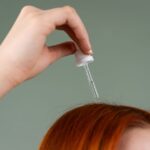
- Scalp massage. Warm a few drops between your palms and massage gently into your scalp for two to three minutes. This increases blood flow to the follicles, which is a known growth support. The oil helps reduce friction and makes the massage more comfortable.
- Leave-in conditioner. Apply a drop or two to the ends of damp hair after washing. This seals in moisture and reduces breakage. Less breakage means your hair can grow longer before splitting.
- Overnight treatment. Apply a small amount to your scalp and hair before bed. Cover with a shower cap or old pillowcase. Wash out in the morning. Do this once a week at most.
Be careful not to use too much. Argan oil is heavy and can clog pores on your scalp if overused. A few drops is enough for most people. If your scalp feels greasy or you notice more buildup, cut back to once a week or skip the scalp entirely and only use it on the ends.
How Argan Oil Compares to Other Oils for Hair Growth
It helps to see argan oil next to other popular oils. Each has a different strength and limitation. The table below shows a direct comparison based on what the evidence supports.
| Oil | Main Benefit | Evidence for Growth | Best For |
|---|---|---|---|
| Argan oil | Moisturizing, reducing inflammation | Weak to moderate for scalp health | Dry scalp, brittle ends |
| Coconut oil | Reducing protein loss in hair | Moderate for preventing breakage | Damaged, high-porosity hair |
| Rosemary oil | Stimulating blood flow | Moderate; one study found it comparable to minoxidil | Thinning hair, scalp stimulation |
| Peppermint oil | Increasing circulation | Moderate in animal studies | Scalp tingling, growth support |
| Jojoba oil | Balancing sebum | Weak; mostly moisturizing | Oily scalp, dandruff |
Rosemary oil is the only one with direct clinical evidence for hair growth. A 2015 study in Skinmed found that rosemary oil was as effective as 2% minoxidil after six months. But that study was small and has not been widely replicated. Still, the evidence for rosemary oil is stronger than for argan oil when it comes to stimulating growth.
Argan oil is better thought of as a supporting player. It keeps the scalp and hair in good condition so that other treatments or natural growth cycles can work properly. If you are already using a proven treatment like minoxidil, adding argan oil for moisture is reasonable. Using it alone and expecting regrowth is not.
Common Misconceptions About Argan Oil and Hair Growth
One of the most repeated claims is that argan oil contains growth hormones or stem cells. It does not. No plant oil contains human growth factors. Some marketing uses the word “regenerative” loosely, but that refers to skin repair, not hair follicle regeneration.
Another myth is that argan oil can cure pattern baldness. Androgenetic alopecia is driven by genetics and hormones. No topical oil can change that. If a product claims to reverse genetic hair loss with argan oil alone, that is not supported by evidence.
Some people also believe that applying argan oil daily will speed up growth. Overusing any oil on the scalp can clog follicles and cause inflammation, which is the opposite of what you want. More is not better. Using it once or twice a week is plenty.
There is also confusion between argan oil and argan extract. The extract is a processed version with different properties. It is often included in shampoos and conditioners in tiny amounts. That is unlikely to do anything meaningful for your hair. Stick with pure oil if you want any benefit at all.
What Actually Works for Hair Growth Alongside Argan Oil
If you want to support hair growth, argan oil alone is not enough. But it can be part of a broader routine. The things that actually move the needle are well documented and not glamorous.
First, check your diet. Iron deficiency is one of the most common reversible causes of hair thinning, especially in women. The CDC reports that about 10% of women in the US are iron deficient. Low ferritin levels can slow hair growth. A simple blood test can tell you if this is an issue. If it is, correcting it with food or supplements often restores normal growth within a few months.
Second, manage stress. High cortisol levels from chronic stress push hair follicles into a resting phase called telogen effluvium. This causes noticeable shedding about three months after the stressful event. Reducing stress does not regrow hair overnight, but it stops the cycle from continuing.
Third, use proven treatments if you have actual hair loss. Minoxidil is available over the counter and has decades of research behind it. Finasteride requires a prescription and works by blocking DHT. Low-level laser therapy has moderate evidence and is available as combs or caps. These are the tools that actually change growth rates.
Argan oil fits into this picture as a scalp conditioner. It keeps the environment healthy while you address the underlying causes. That is a realistic role, not a miracle one.
Frequently Asked Questions
Can argan oil regrow hair on a bald spot?
No. Argan oil cannot regrow hair on a bald spot caused by genetic hair loss or scarring. It may help with overall scalp health but does not stimulate new follicle growth.
How often should I put argan oil on my scalp?
Once or twice a week is enough. Using it more often can clog pores and cause buildup, which may actually slow growth.
Does argan oil work better than minoxidil for hair growth?
No. Minoxidil has strong clinical evidence for stimulating hair growth. Argan oil has none. They are not comparable treatments.
Can I leave argan oil in my hair overnight?
Yes, but only use a small amount. Apply it to your scalp and ends, cover your pillow, and wash it out in the morning. Do this no more than once a week.
