
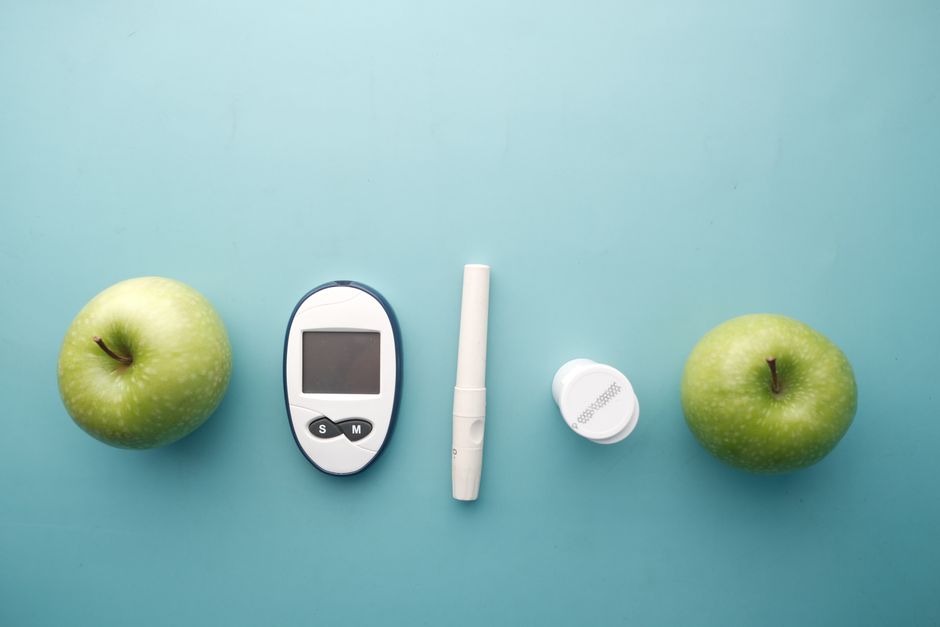
Your blood sugar level is the amount of glucose in your blood at any given moment. For most healthy adults, a normal fasting blood sugar level is between 70 and 99 mg/dL. Two hours after eating, a normal blood sugar level is typically under 140 mg/dL. These numbers are the standard reference points doctors use to screen for diabetes and prediabetes, but your individual target may differ based on your health history and medications.
What Is a Normal Blood Sugar Level?
A fasting blood sugar test measures your glucose after you have not eaten for at least 8 hours. This is the most common way doctors check for diabetes. A normal fasting glucose is 70–99 mg/dL.
If your fasting glucose is 100–125 mg/dL, that indicates prediabetes. A fasting glucose of 126 mg/dL or higher on two separate tests indicates diabetes. These thresholds come from the American Diabetes Association and are used worldwide.
Blood sugar changes throughout the day. It rises after meals and falls as your body uses glucose for energy. The timing of your test matters a great deal. A random blood sugar test taken at any time of day has a different normal range than a fasting test.
What Should Your Sugar Level Be After Eating?
After you eat, your blood sugar naturally rises. For people without diabetes, blood sugar typically peaks about one hour after a meal. By the two-hour mark, it should be falling back toward normal.
A normal blood sugar level two hours after eating is under 140 mg/dL. This is the standard clinical target. If your two-hour post-meal glucose is 140–199 mg/dL, that signals impaired glucose tolerance, which is a form of prediabetes. A reading of 200 mg/dL or higher indicates diabetes.
Your blood sugar usually returns to pre-meal levels within three hours. This process depends on insulin, a hormone made by the pancreas. Insulin helps glucose enter your cells, where it is used for energy or stored for later use.
How Do HbA1c Levels Show Your Average Sugar?
An HbA1c test, often called A1c, measures your average blood sugar over the past 2–3 months. It does not require fasting. The test measures how much glucose has attached to hemoglobin, the protein in red blood cells that carries oxygen.
A normal A1c level is below 5.7%. An A1c of 5.7%–6.4% indicates prediabetes. An A1c of 6.5% or higher indicates diabetes. These are the standard diagnostic thresholds used in clinical practice.
The A1c test gives a bigger picture than a single blood sugar reading. A single fasting glucose tells you what is happening right now. The A1c tells you what has been happening for months. Doctors often use both tests together for diagnosis and treatment monitoring.





What Is the Difference Between Type 1 and Type 2 Diabetes?
Type 1 diabetes is an autoimmune condition. The immune system attacks the insulin-producing cells in the pancreas. People with type 1 diabetes produce little or no insulin and require insulin therapy to survive. It usually appears in childhood or young adulthood, though it can develop at any age.
Type 2 diabetes is the more common form, accounting for about 90–95% of diabetes cases. In type 2 diabetes, the body becomes resistant to insulin or does not produce enough of it. It develops gradually, often over years, and is strongly linked to excess body weight, physical inactivity, and family history.
Both types require careful blood sugar management, but the treatment approaches differ. Type 1 always requires insulin. Type 2 may be managed with lifestyle changes, oral medications, non-insulin injectable medications, or insulin, depending on how advanced the condition is.
What Are the Symptoms of High Blood Sugar?
High blood sugar, called hyperglycemia, often produces noticeable symptoms. Common signs include increased thirst, frequent urination, fatigue, and blurred vision. Some people also experience headaches, difficulty concentrating, and slow-healing wounds.
These symptoms develop because excess glucose draws water out of your tissues. Your kidneys work harder to filter and excrete the extra sugar, which leads to more frequent urination and dehydration. That dehydration causes thirst and dry mouth.
If blood sugar rises very high, a dangerous condition called diabetic ketoacidosis can develop. This occurs mainly in type 1 diabetes. Symptoms include nausea, vomiting, abdominal pain, rapid breathing, and confusion. This is a medical emergency that requires immediate treatment.
What Are the Symptoms of Low Blood Sugar?
Low blood sugar, called hypoglycemia, is generally defined as a glucose level below 70 mg/dL. It can occur in people taking insulin or certain diabetes medications. It is less common in people without diabetes.
Symptoms of low blood sugar include shakiness, sweating, rapid heartbeat, hunger, and anxiety. As glucose drops further, symptoms can progress to confusion, difficulty speaking, and loss of consciousness. Severe hypoglycemia requires immediate treatment with fast-acting carbohydrates.
For people without diabetes, reactive hypoglycemia can occur a few hours after eating. This happens when the body produces too much insulin in response to a meal, causing blood sugar to drop too low. The evidence on how common this condition is remains limited.
How Often Should You Check Your Blood Sugar?
If you do not have diabetes and have no risk factors, routine blood sugar monitoring at home is not necessary. A fasting glucose test during an annual physical is sufficient for most people. The U.S. Preventive Services Task Force recommends screening for prediabetes and type 2 diabetes in adults aged 35–70 who are overweight or obese.
If you have diabetes, your testing schedule depends on your treatment plan. People taking insulin may need to check their blood sugar multiple times daily. People managing type 2 diabetes with oral medications may check less frequently. Your doctor will give you a specific testing schedule based on your medications and glucose control.
Continuous glucose monitors are becoming more common. These devices measure interstitial glucose every few minutes and show trends over time. They are particularly useful for people with type 1 diabetes and for those who experience frequent hypoglycemia. However, they are not necessary for everyone with diabetes.
What Factors Can Raise Your Blood Sugar?
Many factors affect blood sugar beyond food. Stress hormones like cortisol and adrenaline can raise glucose levels. Illness and infection also cause blood sugar to rise because the body releases stress hormones to fight off the infection.
Certain medications can raise blood sugar. These include corticosteroids, some diuretics, and some antipsychotic medications. If you take any of these and notice high blood sugar readings, talk to your doctor about whether adjustments are needed.
Sleep also matters. Poor sleep and insufficient sleep are associated with higher blood sugar levels. Research suggests that even one night of partial sleep deprivation can impair insulin sensitivity in healthy adults. The exact mechanisms are still being studied, but the link between sleep and glucose regulation is well established.
How Can You Keep Your Blood Sugar in a Healthy Range?
For people without diabetes, the most effective strategies are lifestyle-based. Regular physical activity helps your muscles use glucose more efficiently. Both aerobic exercise and resistance training improve insulin sensitivity.
Dietary patterns matter more than individual foods. Eating a diet rich in vegetables, whole grains, lean proteins, and healthy fats is consistently associated with better blood sugar control. Reducing sugary beverages and highly processed foods also helps.
Maintaining a healthy body weight is one of the strongest predictors of normal blood sugar. Excess body fat, particularly around the abdomen, increases insulin resistance. Even modest weight loss of 5–7% of body weight can significantly improve glucose metabolism in people with prediabetes.
If you have diabetes or prediabetes, follow your doctor’s treatment plan. This may include medications, blood sugar monitoring, and specific dietary targets. Do not stop or change medications without medical guidance.
Frequently Asked Questions
What is a dangerous blood sugar level?
A fasting blood sugar above 126 mg/dL indicates diabetes, and levels above 180 mg/dL after meals are generally considered too high. Blood sugar below 70 mg/dL is considered low and can be dangerous if left untreated.
Is 100 blood sugar in the morning normal?
A fasting blood sugar of 100 mg/dL is at the upper edge of normal. Fasting glucose of 100–125 mg/dL indicates prediabetes, so this reading warrants discussion with your doctor.
Can drinking water lower blood sugar?
Drinking water helps your kidneys flush excess glucose through urine, which can modestly lower blood sugar. Staying hydrated is important for overall glucose control, but water alone cannot treat diabetes.
What is a normal blood sugar for a person without diabetes?
For people without diabetes, normal fasting blood sugar is 70–99 mg/dL. Two hours after eating, blood sugar should be under 140 mg/dL.
