
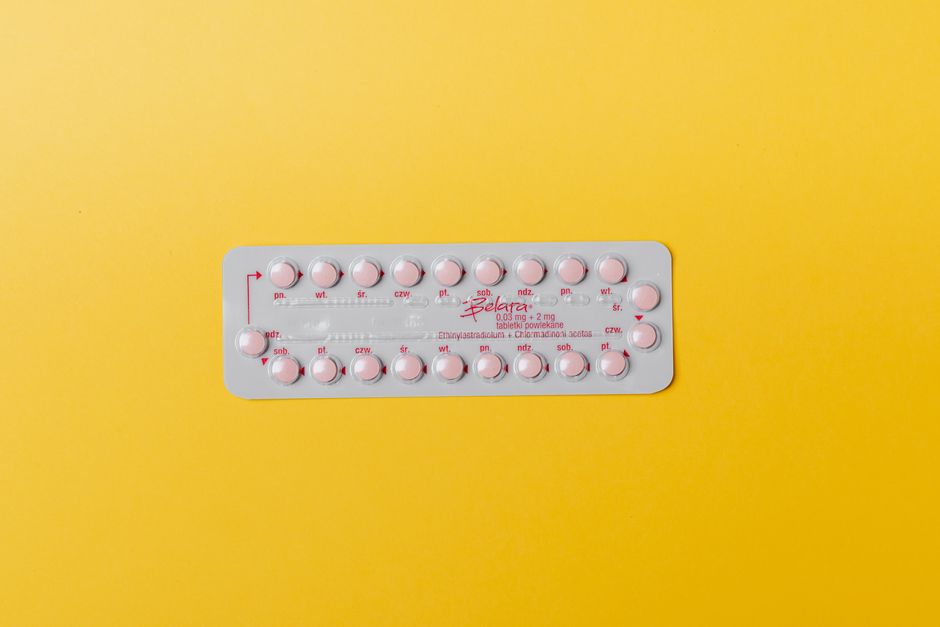
Progesterone levels after an IVF transfer are not measured routinely because the timing of the blood test does not reliably predict the outcome of the pregnancy. The focus is on preparing the uterine lining, not on hitting a specific number in your blood. Clinicians typically monitor the dose of medication and rely on a pregnancy test about 9-14 days after the transfer, rather than a single progesterone blood level.
Why a Single Progesterone Number Is Not the Goal
Progesterone prepares the uterine lining to accept an embryo. After a transfer, the embryo needs a receptive lining, and progesterone supports that lining. But blood levels of progesterone fluctuate throughout the day. They also vary depending on whether you take oral pills, vaginal suppositories, gels, or injections.
Some research suggests that a blood level above 10 ng/mL is adequate for a frozen embryo transfer cycle. Other studies have proposed higher targets, such as 15 ng/mL or even 20 ng/mL. However, no single number has been proven to guarantee success. Many healthy pregnancies proceed with levels below these thresholds, and some failed cycles occur with levels well above them.
Because of this variability, most fertility clinics do not order a routine progesterone blood test after transfer. They adjust medication based on the protocol you started with, not based on a lab value.
How Progesterone Is Given After Transfer
Progesterone can be administered in several forms. The most common are intramuscular injections, vaginal suppositories, vaginal gels, and oral capsules. Each route produces different blood levels, and the levels are not interchangeable.
Vaginal progesterone creates high concentrations in the uterine tissue but relatively low levels in the blood. This is called the “uterine first-pass effect.” The medication is absorbed directly into the uterus, so a low blood test does not mean the uterus lacks progesterone. Injections produce higher blood levels but do not necessarily create higher uterine tissue levels.
Oral progesterone is used less often because the liver breaks down most of it before it reaches the bloodstream. When oral progesterone is used, blood levels tend to be lower, and this route is generally considered less effective for luteal phase support.
Switching between these forms is not recommended without your doctor’s guidance. The medication type, dose, and route are chosen specifically for your cycle.
What the Research Actually Shows
Several studies have examined whether a specific progesterone level on the day of transfer or the day of a positive pregnancy test predicts live birth. The results are mixed. Some studies suggest a minimum threshold, but others find no clear cutoff.
A common finding is that very low levels — such as below 10 ng/mL with injection-based protocols — may be associated with lower pregnancy rates. But even this is not universal. Some clinics report successful pregnancies with levels below 10 ng/mL, especially when vaginal progesterone is used.
Research published in reproductive medicine journals has proposed various thresholds, but no consensus exists. Professional guidelines do not currently recommend routine progesterone measurement after transfer. The evidence does not support a single “normal” range that applies to all patients.





When Your Doctor Might Check Progesterone Levels
There are specific situations where a clinician might order a progesterone blood test. If you have had repeated implantation failures, your doctor may want to check whether your medication is being absorbed properly. If you are using injections and have concerns about absorption, a blood test can confirm the medication is reaching your system.
Some clinics check progesterone levels in patients who have had a previous miscarriage or who are on specific protocols. This is a clinical decision, not a standard practice. If your doctor orders this test, the result is interpreted in the context of your entire cycle, not as a standalone number.
If a level comes back low, your doctor may adjust your dose or change the route of administration. This is done based on clinical judgment, not on a universal cutoff.
What Happens After a Positive Pregnancy Test
Once a pregnancy test is positive, progesterone support typically continues. Most protocols continue progesterone until around 8-10 weeks of pregnancy. This is when the placenta begins to produce its own progesterone and can take over the role.
During early pregnancy, some doctors check progesterone levels if there are signs of bleeding or cramping. Low progesterone in early pregnancy can be a sign of a failing pregnancy, but it can also be a normal variation. A single low reading does not confirm a problem.
Progesterone supplementation in early pregnancy is common, but the evidence for it improving outcomes is limited. Some studies suggest it helps in women with a history of recurrent miscarriage and bleeding in early pregnancy. Other studies show no clear benefit. Your doctor’s recommendation will depend on your specific history.
Progesterone Levels and Miscarriage Risk
Low progesterone levels in early pregnancy have been linked to miscarriage in some studies. However, it is not clear whether low progesterone causes the miscarriage or is simply a marker of a pregnancy that was already failing. A healthy pregnancy produces hormones, including progesterone. If the pregnancy is not developing normally, progesterone levels may drop as a result.
This distinction matters. Giving progesterone to a pregnancy that is already failing will not save it. Progesterone supports a healthy pregnancy but does not fix a chromosomally abnormal embryo or an implantation that has already failed.
Some trials have examined progesterone treatment in women with early pregnancy bleeding. The results suggest a modest benefit in certain groups, but the evidence is not strong enough for universal recommendations. Your doctor can discuss whether this applies to your situation.
What You Should Ask Your Clinic
Before your transfer, ask your clinic whether they routinely check progesterone levels. Ask what their protocol is for adjusting medication. Ask what symptoms would prompt them to check your levels.
If your clinic does check levels, ask what threshold they use and why. A clinic that uses a specific cutoff should be able to explain the evidence behind it. If they cannot, that is a reasonable concern to raise.
You should also ask about the medication schedule. Missing doses or taking them at irregular times can affect how well the progesterone works. Consistency matters more than chasing a specific blood level.
Signs That Your Progesterone Support May Need Adjustment
There are no reliable symptoms that tell you your progesterone level is low. Some women experience spotting, cramping, or breast tenderness, but these are common in both successful and unsuccessful cycles. They do not reliably indicate a progesterone problem.
If you experience heavy bleeding, severe pain, or other concerning symptoms, contact your clinic. Do not adjust your progesterone dose on your own. Changing the dose or stopping the medication without medical guidance can be harmful.
Your clinic may recommend a blood test if you have symptoms that concern them. This is done to gather information, not because a single number will decide the outcome.
The Bottom Line on Progesterone Testing
There is no universally accepted target progesterone level after an IVF transfer. The evidence does not support routine testing, and the results are difficult to interpret because of the many variables involved.
What matters is that you take your medication as prescribed, on time, and for the full duration recommended by your clinic. If your doctor orders a progesterone test, the result is one piece of information in a larger clinical picture. It is not a pass-fail exam for your cycle.
Frequently Asked Questions
What is a normal progesterone level after IVF transfer?
There is no established normal range that applies to all patients. Some research suggests levels above 10 ng/mL may be adequate, but healthy pregnancies occur below this level, especially with vaginal progesterone.
Should I ask my doctor to check my progesterone level after transfer?
Routine testing is not currently recommended by professional guidelines. Your doctor may order a test in specific situations, such as repeated implantation failure or concerns about medication absorption.
Can low progesterone cause IVF failure?
Low progesterone can affect the uterine lining, but a single low blood level does not mean the uterus lacks progesterone. Vaginal progesterone creates high uterine tissue levels even when blood levels appear low.
How long do I need to take progesterone after a positive pregnancy test?
Most protocols continue progesterone until around 8-10 weeks of pregnancy. Your clinic will give you a specific schedule based on your individual cycle.
