
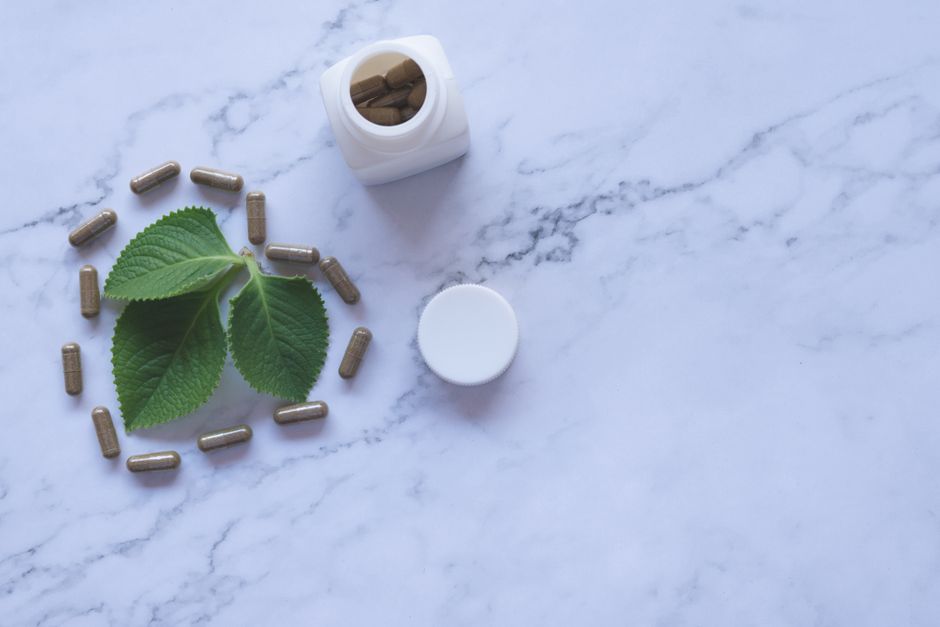
Ashwagandha is one of the most popular herbal supplements for men, often marketed as a natural way to boost testosterone. The short answer is that some clinical studies show a modest increase in testosterone levels in certain groups of men, particularly those who are stressed, overweight, or experiencing low testosterone. However, the effect is not universal, and the evidence is not strong enough to suggest it will dramatically raise testosterone in every healthy man.
What the Research Actually Shows
Several small clinical trials have looked at ashwagandha and testosterone. Most of these studies involved men with lower-than-normal testosterone, fatigue, or high stress levels. In those groups, researchers measured noticeable increases in testosterone after taking ashwagandha extract for eight to twelve weeks.
One of the most cited studies involved overweight men between the ages of 40 and 70 who had mild fatigue. After taking a standardized ashwagandha extract daily, their testosterone levels rose by about 15 percent on average. Another study focused on stressed men in their 20s and 30s and found similar increases.
What the research does not show is a significant effect on young, healthy, non-stressed men with normal testosterone. If your testosterone is already in a healthy range, adding ashwagandha is unlikely to push it much higher. The supplement appears to work best when the body is under strain, whether from stress, poor sleep, or excess weight.
How Ashwagandha Might Raise Testosterone
Ashwagandha is classified as an adaptogen, a term used to describe herbs that may help the body manage stress. The primary mechanism researchers point to involves cortisol, the body’s main stress hormone.
When cortisol levels stay high for long periods, they can interfere with testosterone production. The two hormones have an inverse relationship in many ways. High stress often means low testosterone. Some studies show that ashwagandha reduces perceived stress and lowers cortisol levels by about 20 to 30 percent. When stress drops, testosterone production can recover.
There is also some evidence that ashwagandha may directly stimulate the testes to produce more testosterone. Animal studies have shown increased luteinizing hormone, which signals the testes to produce testosterone. But this has not been confirmed in large human trials. The stress-reduction pathway is the best-supported explanation so far.
Who Might Benefit Most
The men who saw the biggest testosterone increases in clinical trials shared certain characteristics. They were generally:
- Overweight or obese
- Under significant psychological stress
- Experiencing fatigue
- Over the age of 40
- Starting with testosterone levels on the lower end of normal
If you fit several of these categories, ashwagandha may offer a modest benefit. If you are a healthy 30-year-old who exercises regularly, sleeps well, and has no stress issues, the evidence does not strongly support expecting a meaningful testosterone boost.
It is also worth noting that even in the studies that showed positive results, the increases were modest. Testosterone levels rose, but they did not jump from low to high. The changes were enough to move some men from the lower end of normal into the middle of the normal range. That can matter for how a person feels, but it is not the same as a pharmacological dose of testosterone.





Dosing and What to Look For
Clinical trials used standardized ashwagandha extracts, usually in doses of 300 to 600 milligrams per day. The most common form studied is KSM-66, a branded extract of the root. Another studied form is Sensoril, which uses both root and leaf material.
Most trials split the dose into two servings taken with meals. The studies ran for eight to twelve weeks, and that is the timeframe where effects appeared. There is little reliable data on whether longer use produces more benefit.
When buying ashwagandha, the label matters. Look for a standardized extract that states the withanolide content. Withanolides are the active compounds believed to be responsible for the effects. A typical standardized product contains around five percent withanolides. Products that do not list this information may not contain a reliable amount of active ingredients.
Safety and Side Effects
Ashwagandha is generally well tolerated in the doses used in studies. The most common side effects reported are mild stomach upset, loose stools, and drowsiness. These usually resolve when the dose is lowered or the supplement is taken with food.
Some people should avoid ashwagandha entirely. This includes pregnant women, because the herb has been associated with miscarriage risk in animal studies. People with autoimmune conditions such as rheumatoid arthritis, lupus, or Hashimoto’s thyroiditis should also be cautious, as ashwagandha may stimulate immune activity.
Ashwagandha can interact with certain medications. It may enhance the effects of sedatives and thyroid hormone medications. It can also lower blood sugar and blood pressure, so people taking medication for diabetes or hypertension should talk to their doctor before starting it.
If you take medication for any chronic condition, check with a healthcare provider before adding ashwagandha. This is especially important for men taking testosterone replacement therapy or medications that affect hormone levels.
What Ashwagandha Cannot Do
Ashwagandha is not a replacement for testosterone replacement therapy. Men with clinically low testosterone, defined as below roughly 300 nanograms per deciliter on a morning blood test, will not likely see their levels return to normal with an herb alone.
It also cannot fix lifestyle problems that suppress testosterone. Poor sleep, heavy alcohol use, obesity, and a sedentary lifestyle all lower testosterone. No supplement overrides those factors. In fact, the research suggests ashwagandha works best when combined with healthier habits, not instead of them.
Be skeptical of marketing claims that call ashwagandha a natural testosterone booster. The effect is real in some populations but modest in size. It is not comparable to the changes seen with weight loss, improved sleep, or resistance training. Those lifestyle interventions consistently produce larger testosterone increases than any herbal supplement studied to date.
How Long Until You Would Notice a Difference
Clinical trials measured testosterone changes after eight to twelve weeks of daily use. That is the realistic timeline. Some men report feeling less stressed within a few weeks, but measurable hormone changes take longer.
If you decide to try ashwagandha, give it at least two months before judging whether it works for you. If you have not noticed any change in energy, stress, or mood after twelve weeks, it is unlikely to produce a meaningful effect for you.
Consider getting a blood test before and after. A baseline testosterone level taken in the morning, when levels are highest, gives you something concrete to compare against. Many men feel a difference without a lab test, but the numbers remove guesswork.
Other Ways to Support Healthy Testosterone
Ashwagandha is not the only option, and it may not be the best first step. The most well-established ways to support testosterone production are:
- Resistance training three to four times per week
- Getting seven to nine hours of quality sleep nightly
- Maintaining a healthy body weight
- Reducing alcohol intake
- Eating a diet with adequate protein and healthy fats
- Managing chronic stress through exercise, therapy, or meditation
These factors have far stronger evidence behind them than any supplement. If your lifestyle is out of balance, fixing that comes first. Ashwagandha can be a reasonable addition, but it works around the edges rather than at the center.
Frequently Asked Questions
How much does ashwagandha increase testosterone?
Clinical studies show average increases of roughly 10 to 20 percent in men with low or low-normal testosterone. The effect is modest and does not occur in everyone.
How long does ashwagandha take to raise testosterone?
Studies measured significant changes after eight to twelve weeks of daily use. Some stress-related benefits may appear sooner, but hormone changes take time.
Can ashwagandha lower testosterone?
No clinical evidence shows ashwagandha lowering testosterone in men. The studies available show either no change or a modest increase.
Is ashwagandha safe to take every day?
Daily use for up to three months appears safe for most healthy adults at standard doses. People on medication, pregnant women, and those with autoimmune conditions should consult a doctor first.
