
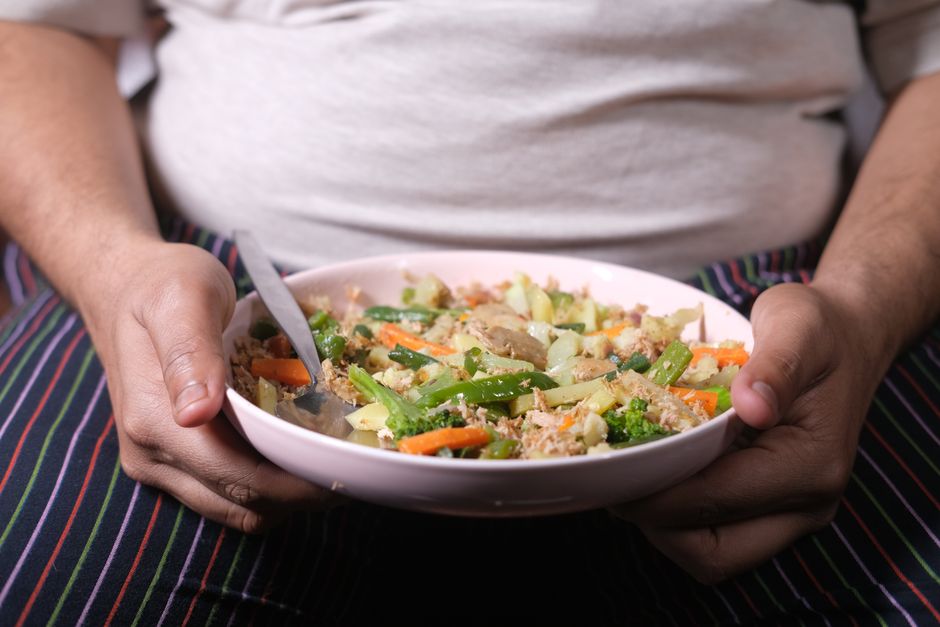
If you have high cholesterol, the best dinner is one built around vegetables, beans or lentils, a source of unsaturated fat like olive oil or nuts, and a modest portion of fish, skinless poultry, or soy foods. That combination lowers LDL cholesterol more than cutting fat in general. The single most important change is reducing saturated fat — mainly from red meat, processed meat, butter, and full-fat dairy.
Dinner matters because it is often the largest meal of the day and the one where saturated fat tends to pile up. A typical plate of steak, creamy potatoes, and buttered bread can carry a full day’s worth of saturated fat in one sitting. Rebuilding that plate is one of the most practical moves you can make.
What Should I Eat For Dinner With High Cholesterol?
The plate that works is roughly half vegetables, a quarter whole grains or starchy vegetables, and a quarter lean protein — with fat coming mostly from plant sources.
This is not a fad structure. It reflects what research on dietary patterns consistently shows: replacing saturated fat with unsaturated fat lowers LDL cholesterol. The American Heart Association and the Dietary Guidelines for Americans both point in this direction, and the evidence behind it is strong.
A dinner that fits looks like this:
- Half the plate: roasted or sautéed vegetables, salad, or a vegetable-based soup.
- A quarter: brown rice, quinoa, whole wheat pasta, beans, lentils, or a sweet potato.
- A quarter: salmon, sardines, skinless chicken, tofu, tempeh, or beans if they are your main protein.
- Fat from olive oil, avocado, nuts, or seeds — not butter or cream.
Beans and lentils deserve special mention. They deliver protein and fiber with almost no saturated fat, and the soluble fiber in them actively helps lower LDL. A bean-based dinner two or three nights a week is one of the simplest swaps a person can make.
Why Does Saturated Fat Matter More Than Dietary Cholesterol?
For most people, saturated fat raises blood cholesterol more than the cholesterol you eat does. This surprises many people, because the word “cholesterol” on a food label sounds like the obvious villain.
The body makes most of its own cholesterol in the liver. For the majority of people, dietary cholesterol has a modest effect on blood levels. Saturated fat, by contrast, interferes with how the liver clears LDL from the blood, so LDL rises. Trans fats — largely removed from the US food supply in recent years — had an even stronger effect.
That is why a shrimp dinner, which is low in saturated fat, is generally a better choice than a cheeseburger, even though shrimp contains more dietary cholesterol. Some people are “hyper-responders” to dietary cholesterol and do see bigger swings, but they are the exception, not the rule.
This does not mean dietary cholesterol is irrelevant. It means saturated fat is the bigger lever for most people at the dinner table.
Which Proteins Help Lower LDL Cholesterol?
Fish, soy foods, and legumes are the strongest choices. Fatty fish also supplies omega-3 fats, which do not lower LDL much but are linked to lower heart disease risk through other pathways.
Salmon, sardines, mackerel, and herring are the richest sources of omega-3s. The heart association generally recommends eating fish twice a week, and oily fish is the type that counts. Baked or grilled preparations keep saturated fat low; fried fish does not.
Soy foods — tofu, tempeh, and edamame — have a modest LDL-lowering effect in many studies. The effect is real but small. It is worth including, not worth expecting miracles from.
Skinless poultry is a reasonable middle option. Red meat is where the saturated fat climbs fast, especially fatty cuts and anything processed. Processed meats like bacon, sausage, and deli meats are the ones most consistently linked to heart disease risk, and they are worth limiting rather than just moderating.



How Do Fiber and Plant Foods Fit In?
Soluble fiber binds cholesterol in the digestive tract and helps pull it out of the body. Oats, barley, beans, lentils, apples, and psyllium are good sources. Aiming for a serving of these at dinner is a practical way to work more in.
Whole grains also matter. Replacing refined grains — white rice, white bread, regular pasta — with whole grain versions is linked to better cholesterol and heart outcomes over time. This is a swap, not an addition. You do not need to eat more, just differently.
Vegetables add fiber and volume without adding saturated fat. Filling half the plate with them naturally crowds out the foods that raise LDL. This is one of those changes that works through simple mechanics rather than willpower.
What About Cooking Oils, Sauces, and Sides?
Olive oil, canola oil, and other liquid plant oils are the fats to cook with. Butter, lard, coconut oil, and cream are the ones to limit. Coconut oil in particular is often marketed as heart-healthy, but it is high in saturated fat and raises LDL in controlled studies. The marketing does not match the evidence.
Sauces and sides are where saturated fat hides. Cream-based pasta sauces, cheese sauces, buttered bread, and creamy dressings can undo an otherwise good plate. Swapping in tomato-based sauces, olive-oil dressings, and vinegar or lemon-based dressings keeps the meal on track.
If you eat dairy at dinner, choose low-fat or fat-free versions. This is one of the more straightforward swaps, because the flavor difference is often small and the saturated fat difference is not.
How Big a Difference Can Dinner Alone Make?
Dinner is one meal, and no single meal changes cholesterol on its own. What changes cholesterol is the pattern across days and weeks. Still, dinner is often the meal with the most saturated fat, so it is a high-value place to start.
Diet is one part of the picture. Genetics, activity, weight, and medications all play roles. Some people make every dietary change and still need medication because of inherited cholesterol patterns. That is not a failure of diet — it is biology. Familial hypercholesterolemia, an inherited condition, can cause very high LDL regardless of lifestyle.
For many people, though, dietary change meaningfully lowers LDL. The size of the effect varies widely from person to person, and it is larger when the change is sustained rather than occasional.
Sample Dinners That Fit
Here are a few plates that meet the pattern without feeling like a diet.
- Baked salmon with roasted broccoli, a small sweet potato, and a green salad with olive oil dressing.
- Black bean and vegetable chili over brown rice, topped with a little avocado.
- Stir-fried tofu with mixed vegetables and brown rice, cooked in canola or peanut oil.
- Grilled skinless chicken breast with quinoa, roasted peppers, and a side of lentils.
- Whole wheat pasta with tomato sauce, white beans, spinach, and a drizzle of olive oil.
None of these are complicated. The theme is the same each time: plant foods dominate, fat comes from plants, and animal protein is lean and modest.
What Should You Limit at Dinner?
The foods most worth cutting back on are the ones highest in saturated fat and processed meat. This list is not about never eating them — it is about frequency and portion.
- Fatty red meat like ribeye, prime cuts, and ground beef with high fat content.
- Processed meats: bacon, sausage, hot dogs, deli meats.
- Butter, cream, and full-fat cheese in large amounts.
- Fried foods and foods cooked in coconut oil or lard.
- Creamy, cheese-heavy sauces and sides.
You do not have to eliminate these. Reducing how often they appear at dinner is where most of the benefit comes from.
Frequently Asked Questions
Can I eat eggs for dinner with high cholesterol?
Yes, for most people eggs are fine at dinner. Dietary cholesterol from eggs has a modest effect on blood cholesterol in most people, while saturated fat has a larger effect.
Is chicken better than beef for high cholesterol?
Skinless chicken is generally lower in saturated fat than fatty cuts of beef, so it is usually the better choice. Lean cuts of beef in small portions can still fit occasionally.
Does coconut oil lower cholesterol?
No, coconut oil is high in saturated fat and raises LDL cholesterol in controlled studies. It is often marketed as heart-healthy, but the evidence does not support that claim.
How long does it take for diet to lower cholesterol?
Changes in LDL cholesterol from diet typically show up within a few weeks to a few months, depending on the person. The effect is larger when the change is sustained over time.
