
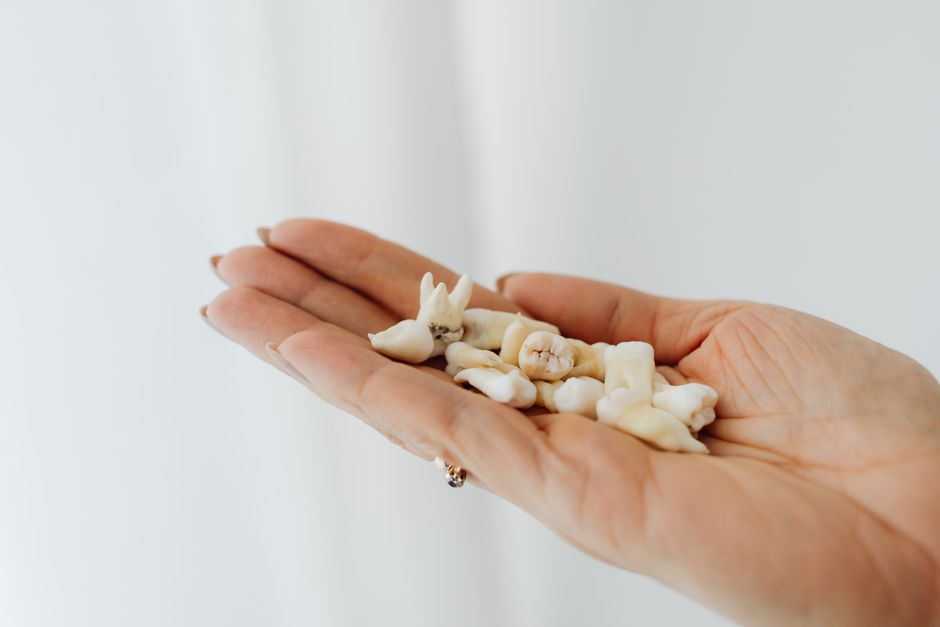
Knowing what a healing tooth extraction looks like can ease a lot of worry. In the first 24 hours, you will see a dark red blood clot filling the socket. Over the next one to two weeks, that clot shrinks and turns into pink tissue as the hole closes up. This guide walks you through each stage of normal healing and shows you what signs mean you should call your dentist.
What Is Normal Right After the Extraction?
Immediately after the tooth is removed, your dentist packs gauze over the site. You will bite down on this for 30 to 45 minutes to help a blood clot form. This clot is essential. It protects the bone and nerves underneath and provides the foundation for new tissue to grow.
For the first 24 hours, the socket looks like a deep hole filled with a dark red or maroon clot. Some minor oozing of pink-tinged saliva is normal for the first few hours. Bright red blood that continues to flow after you remove the gauze is not normal and requires a call to your dentist.
Swelling of the cheek and some mild bruising are common. This peaks around 48 hours after the procedure and then gradually fades. The area may feel sore, and you may have some difficulty opening your mouth fully. This is all part of the body’s natural inflammatory response.
Days 1 to 3: The Clot Phase
Between day one and day three, the blood clot should stay firmly in place. It looks like a dark, jelly-like substance filling the socket. You do not want to dislodge it. Avoid spitting forcefully, using a straw, or smoking during this time. Suction can pull the clot out and lead to a painful condition called dry socket.
The gum tissue around the socket may look pale or whitish. This is not pus. It is a normal layer of fibrin, a protein involved in blood clotting, that covers the wound. The surrounding gums may appear slightly swollen and red.
Pain should start to decrease by day three. If pain gets worse instead of better, especially if it radiates to your ear or eye, contact your dentist. Severe pain starting two to four days after extraction is the classic sign of dry socket.
Days 4 to 7: Early Tissue Formation
By day four through seven, you will notice visible changes. The blood clot begins to shrink as the body reabsorbs it. New pink tissue, called granulation tissue, starts to grow in from the edges of the socket. This tissue is fragile and may bleed slightly when you brush nearby teeth.
The hole will look smaller than it did initially. You may see a mixture of dark red clot and lighter pink tissue filling the socket. This is a sign that healing is progressing normally.
Swelling should be mostly gone by the end of the first week. Any stitches you have may start to dissolve around this time. If your dentist used non-dissolving stitches, you will have an appointment to have them removed.




Weeks 2 to 4: The Socket Closes
During the second to fourth week, the socket continues to fill in with pink tissue. The hole becomes noticeably shallower. By the end of the third week, most of the socket is covered with new gum tissue, though a small depression may remain.
This depression can trap food. Rinsing gently with warm salt water after meals helps keep the area clean. Do not use a Waterpik directly into the socket until your dentist says it is safe. The gentle stream can still disturb healing tissue.
Bone healing takes much longer than gum healing. While the surface looks closed by week three or four, the bone underneath continues to remodel for several months. This is why the area may feel slightly hard or uneven for a while. That is normal.
What Should A Tooth Extraction Look Like When Healing Pictures Show Red Flags
Knowing what normal healing looks like helps you spot problems early. Some signs require immediate attention from your dentist.
No blood clot present. If you look in the mirror and see empty white bone instead of a dark clot, you likely have dry socket. This condition is painful and requires professional treatment to manage the pain.
Bright red bleeding. A small amount of pink saliva is fine. Active bleeding that drips or fills your mouth is not. Bite on fresh gauze for 30 minutes. If bleeding continues, call your dentist.
Thick yellow or green discharge. This can indicate an infection. A small amount of white or yellowish coating on the wound is normal, but pus that drains from the socket along with increasing pain and fever is not.
Worsening pain after day three. Pain should steadily improve. If it spikes instead, especially with throbbing that keeps you awake at night, contact your dentist.
Numbness that persists. Some numbness from local anesthesia is expected for a few hours. Numbness lasting beyond 24 hours or spreading to your lip or chin should be evaluated.
How Long Does Full Healing Take?
Complete healing after a tooth extraction happens in stages. The gum tissue closes over the socket in about three to four weeks. However, the underlying bone takes three to six months to fully fill in the space where the tooth root was.
Several factors affect healing time. Simple extractions of teeth with single roots heal faster than surgical extractions of impacted teeth. Your overall health matters too. Smoking significantly delays healing. Uncontrolled diabetes also slows the process.
Some blood thinners and certain medications can affect clot formation. Always tell your dentist your full medication list before any procedure. This allows them to plan appropriately and reduce bleeding risks.
Tips to Support Normal Healing
Your actions in the first few days directly affect how the socket heals. Follow these guidelines to give your body the best chance at uneventful recovery.
- Rest for the first 24 hours. Keep your head elevated on pillows when lying down.
- Apply an ice pack to the outside of your cheek for 15-minute intervals during the first 48 hours.
- Eat soft foods like yogurt, mashed potatoes, and soup. Avoid hot foods and drinks for the first 24 hours.
- Do not smoke or vape for at least 72 hours. Ideally, wait longer if you can.
- Brush your other teeth gently. Avoid the extraction site for the first few days.
- Take over-the-counter pain relievers as directed by your dentist. Follow their specific instructions.
Do not rinse your mouth vigorously for the first 24 hours. After that, gentle salt water rinses two to three times a day help keep the area clean. Mix half a teaspoon of salt in a glass of warm water.
Some dentists recommend avoiding strenuous exercise for a few days. Heavy exertion raises blood pressure and can promote bleeding from the socket. Light walking is generally fine.
When to Call Your Dentist
Trust your instincts. If something looks or feels wrong, call your dental office. They are used to fielding questions about healing and can often reassure you over the phone.
Call immediately if you experience any of the following: bleeding that will not stop, difficulty breathing or swallowing, swelling that spreads to your face or neck, or a fever above 101 degrees Fahrenheit. These are uncommon but serious complications.
Dry socket is the most common complication after tooth extraction. It occurs when the blood clot dislodges or dissolves before the wound heals. The pain typically starts two to four days after the extraction and is often severe. Treatment involves placing a medicated dressing in the socket to relieve pain. This is done in the dental office.
Remember that every extraction site looks a little different. What matters is the overall trend. Healing should progress steadily, with decreasing pain and a socket that gradually fills in with pink tissue. If the trend reverses or stalls, that is when you seek professional advice.
Frequently Asked Questions
What color should a healing tooth extraction site be?
It should be dark red or maroon in the first few days from the blood clot, then gradually turn pink as new tissue grows in over the following weeks.
How can I tell if my tooth extraction is infected?
Signs of infection include thick yellow or green discharge, worsening pain after day three, fever, and swelling that spreads beyond the extraction area.
Is white tissue normal after a tooth extraction?
Yes, a whitish or pale layer over the socket is normal and is part of the healing process, not a sign of infection.
When does the hole close completely after tooth extraction?
The gum tissue usually closes over the socket in about three to four weeks, but the bone underneath takes several months to fully heal.
