
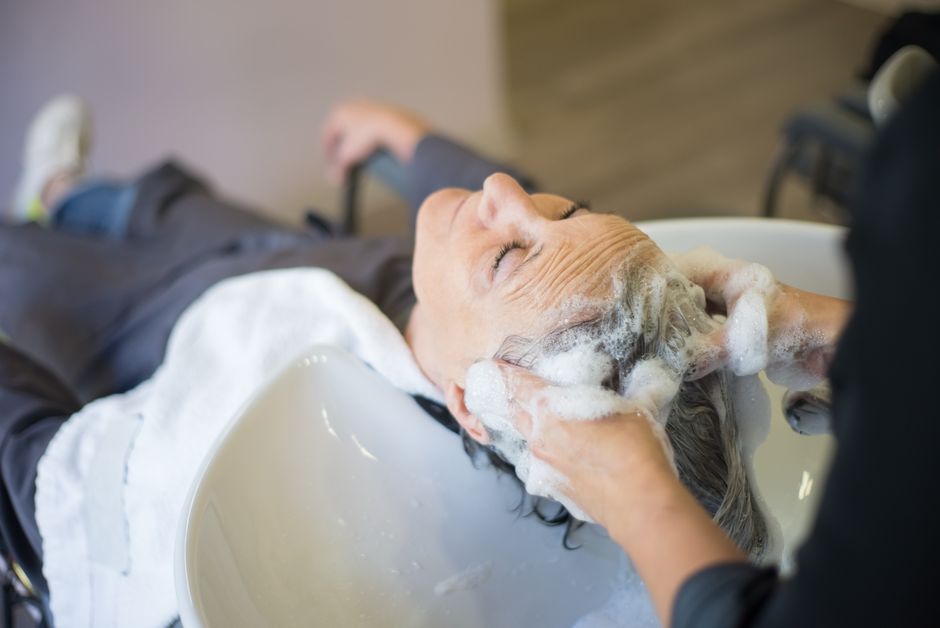
Hair loss shampoos are everywhere, and most of them do not work. The research is clear on one thing: no shampoo can regrow hair on its own. Shampoos are wash-off products. They stay on your scalp for a few minutes at most. That short contact time limits what any active ingredient can do. Still, some shampoos do help in specific situations. The best choice depends entirely on why your hair is falling out in the first place.
Can a Shampoo Actually Stop Hair Loss?
Yes, but only in specific cases. The most proven example is ketoconazole shampoo. It is an antifungal medication originally developed for dandruff. Research has shown it can reduce scalp inflammation and may help with androgenetic alopecia — the medical name for male and female pattern baldness.
Ketoconazole works by blocking a scalp hormone called DHT. DHT shrinks hair follicles over time. Studies have found that using a 1% or 2% ketoconazole shampoo a few times per week can improve hair density. The effect is modest compared to prescription treatments like minoxidil or finasteride, but it is real.
Another case where shampoo helps is telogen effluvium. This is temporary shedding that happens after stress, illness, childbirth, or rapid weight loss. The hair usually grows back on its own within six months. A gentle shampoo will not stop the shedding, but it will protect the hair that remains.
For every other type of hair loss, shampoo is not the answer. If your hair loss comes from genetics, hormones, or an autoimmune condition, no wash-off product will reverse it.
What Shampoo is Good for Hair Loss? Look for These Ingredients
If you want a shampoo that has actual evidence behind it, focus on these three ingredients.
Ketoconazole is the strongest option. It is available over the counter at 1% strength in the United States. A 2% version requires a prescription. Some research suggests that using ketoconazole shampoo alongside minoxidil produces better results than minoxidil alone.
Caffeine is a weaker but still studied option. Some small studies have found that caffeine can stimulate hair follicle growth in laboratory settings. One study compared a caffeine shampoo to a placebo and found it reduced hair loss in men with pattern baldness. The effect was small, and the evidence base is thin compared to ketoconazole.
Zinc pyrithione is worth considering if you have dandruff. It is an antifungal that treats seborrheic dermatitis, a scalp condition that can cause temporary shedding. If your hair loss comes from an inflamed, flaky scalp, treating that inflammation can reduce shedding. Zinc pyrithione will not help genetic hair loss.
Ingredients like biotin, collagen, and rosemary oil get a lot of marketing attention. Biotin deficiency does cause hair loss, but true deficiency is rare. Most people get enough biotin from food. Rosemary oil has some evidence behind it — one study compared it to minoxidil and found similar results — but that study used a topical oil left on the scalp for hours, not a shampoo that gets rinsed off.
Why Most Hair Loss Shampoos Do Not Work
Hair growth happens inside the follicle, below the surface of the scalp. A shampoo sits on top of the skin for two to three minutes. Very few ingredients can penetrate deep enough to reach the hair bulb where growth actually occurs.
This is not a marketing failure. It is basic anatomy. The hair follicle extends about 4 millimeters below the skin surface. Topical treatments like minoxidil are designed specifically to penetrate that depth. Shampoos are not.
Another problem is concentration. A shampoo might list a promising ingredient on the label, but the amount is often too low to have a biological effect. Cosmetic companies are not required to prove that their shampoo regrows hair. They only need to show it is safe to use.
Some products try to get around this with longer contact times. They instruct you to leave the shampoo on for five to ten minutes. Even that is not enough for most ingredients to reach the follicle at a therapeutic dose.




What About DHT-Blocking Shampoos?
DHT-blocking shampoos claim to stop the hormone that shrinks hair follicles. The most common ingredients are saw palmetto, pumpkin seed extract, and ketoconazole.
Ketoconazole is the only one with solid evidence. Saw palmetto has some oral study data for hair loss, but no good studies show it works as a shampoo ingredient. Pumpkin seed extract has shown promise in oral supplement form, but again, the shampoo version lacks evidence.
The logic of a DHT-blocking shampoo makes sense on paper. DHT is produced in the scalp by an enzyme called 5-alpha-reductase. If you block that enzyme, you should protect the follicle. The problem is delivery. To block DHT production, the active ingredient has to reach the oil glands where the enzyme lives. A rinse-off product cannot reliably do that.
This is why finasteride — the most effective DHT blocker — is taken as a pill. It works systemically through the bloodstream. No shampoo can match that delivery method.
How to Choose a Shampoo Based on Your Hair Loss Type
Your first step is figuring out why your hair is falling out. That determines whether a shampoo can help at all.
Pattern baldness — thinning at the crown or temples that runs in families. Ketoconazole shampoo is a reasonable addition to your routine. It will not stop the process, but it may slow it down. Expect modest results over several months of consistent use.
Dandruff-related shedding — itchy, flaky scalp with noticeable hair fall. Treat the scalp condition first. A shampoo with zinc pyrithione, selenium sulfide, or ketoconazole can reduce inflammation and stop the shedding. Once the scalp heals, the hair usually stops falling.
Stress-related shedding — sudden, diffuse hair loss two to three months after a major stressor. No shampoo will fix this. The hair recovers on its own. Use a gentle shampoo to avoid further damage to fragile strands.
Unknown cause — you are not sure why your hair is thinning. See a doctor before spending money on shampoo. A blood test can rule out thyroid problems, iron deficiency, and other treatable causes. These conditions require medical treatment, not a new shampoo.
What the Research Says About Natural Hair Loss Shampoos
The natural hair care market is full of products with botanical ingredients. Most have no clinical evidence behind them. A few have limited data.
Rosemary oil is the most studied natural ingredient. A 2015 study compared rosemary oil to 2% minoxidil in men with pattern baldness. Both groups saw significant increases in hair count after six months. That is promising research, but it tested a topical oil, not a shampoo. The oil stayed on the scalp for hours. A shampoo version would not deliver the same exposure.
Peppermint oil has shown hair growth effects in animal studies. No human trials confirm this. The same applies to onion juice, which has one small human study but has not been replicated.
Be skeptical of any natural shampoo that promises dramatic regrowth. The evidence simply does not support those claims. If you want to try a natural product, look for one that leaves the ingredient on the scalp for several minutes. Even then, manage your expectations.
Frequently Asked Questions
Can ketoconazole shampoo regrow hair?
Ketoconazole shampoo can slow hair loss and improve hair density in people with pattern baldness, but it will not regrow hair on its own. It works best when combined with proven treatments like minoxidil.
How often should I use a hair loss shampoo?
Most dermatologists suggest using ketoconazole shampoo two to three times per week. Other medicated shampoos like zinc pyrithione can be used more frequently, but follow the instructions on the specific product you buy.
Does biotin shampoo help with hair loss?
No clinical evidence shows that biotin in shampoo form improves hair growth. Biotin deficiency can cause hair loss, but it is rare, and the vitamin is poorly absorbed through the skin.
When should I see a doctor about hair loss?
See a doctor if you are losing hair in patches, shedding heavily for more than three months, or noticing sudden thinning. Sudden or patchy hair loss can signal an autoimmune condition or other medical issue that needs proper diagnosis.
