
Flies are annoying, and they can also carry germs. The good news is that certain scents genuinely repel them. The most effective scents against flies are herbs and essential oils like lavender, basil, peppermint, eucalyptus, and citronella. These plants produce strong aromatic compounds that interfere with a fly’s ability to sense food and lay eggs, making your home and yard less inviting to them.
Why Do Certain Scents Repel Flies?
Flies find their food using their sense of smell. They have odor receptors on their antennae and even on their feet. These receptors are finely tuned to detect the smells of decaying matter, garbage, and fermenting fruit.
Strong plant scents work differently. They overwhelm the fly’s sensory system. When a fly smells concentrated lavender or peppermint, it cannot detect the normal food odors it relies on. To the fly, the area smells wrong, and it moves on to find a better spot.
This is not just folk wisdom. Research on insect behavior has confirmed that many essential oils have repellent properties. The compounds in these plants evolved partly to protect the plants from insect damage. We are simply using that natural defense for our own benefit.
What Scents Are Proven to Repel Flies?
Several scents have solid evidence behind them. Others are popular but less studied. Here is what the science shows.
Lavender
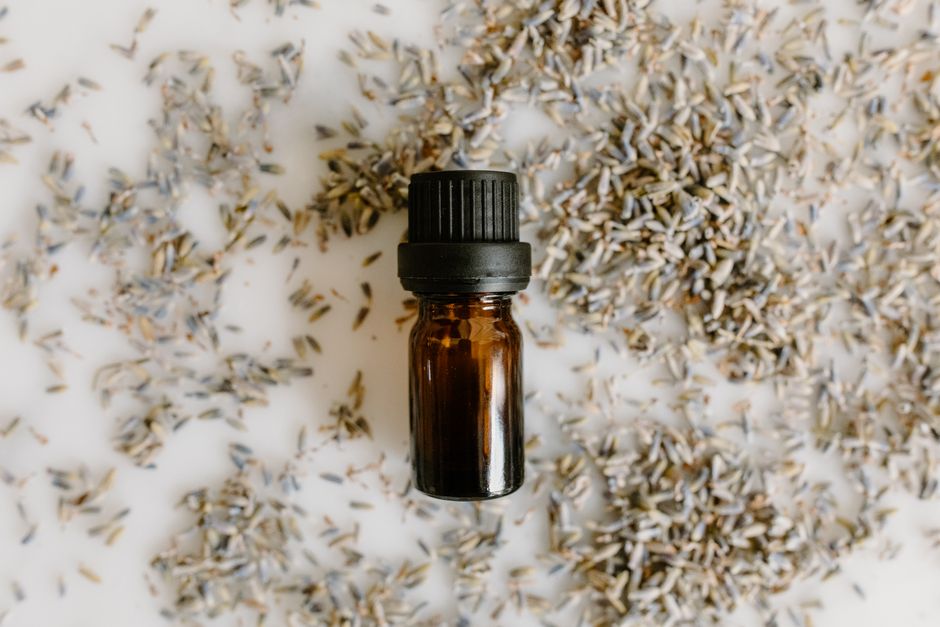
Lavender is one of the most reliable fly repellents. The flowers contain linalool and linalyl acetate, compounds that are toxic to some insects and strongly repellent to others. Studies have shown that lavender oil keeps flies away from treated surfaces for hours.
Dried lavender sachets work well in closets and drawers. A few drops of lavender oil on a cotton ball placed near a doorway can also help. The scent is pleasant to most people, which makes it an easy choice for indoor use.
Basil
Basil is a culinary herb that doubles as a fly deterrent. The plant releases a strong aroma that flies avoid. Growing basil in pots on a windowsill or near outdoor seating areas can reduce fly activity.
Crushing the leaves releases more of the aromatic oils. You can rub basil leaves on your skin as a natural repellent, though the effect does not last as long as commercial products.
Peppermint
Peppermint oil is a potent insect repellent. The menthol in peppermint is overwhelming to flies. Many studies have confirmed that peppermint oil repels several species of flies and mosquitoes.
Mix a few drops of peppermint oil with water in a spray bottle. Use it around door frames, windowsills, and outdoor eating areas. Reapply every few hours because the scent fades as the oil evaporates.
Eucalyptus
Eucalyptus oil contains compounds called monoterpenes that are highly volatile. This means they evaporate quickly and fill the air with a strong scent. Flies find this smell unpleasant and will avoid areas treated with it.
Eucalyptus is often used in commercial insect repellents. You can buy eucalyptus-based sprays or make your own by diluting the oil in water.
Citronella
Citronella is famous for repelling mosquitoes, but it also works on flies. The oil comes from lemongrass and has a sharp, citrusy smell that masks the odors flies are looking for.
Citronella candles are widely available and easy to use outdoors. The effect is limited to the immediate area around the candle, so you need several candles to cover a patio or deck.
How to Use Scent to Repel Flies at Home
Using scent to repel flies is simple, but the method matters. A single drop of oil will not do much. You need enough scent in the air to actually interfere with the flies.
Here are practical ways to use these scents:
- Essential oil sprays: Mix 10-15 drops of essential oil with water in a spray bottle. Add a small amount of dish soap to help the oil mix with the water. Spray on surfaces, screens, and door frames.
- Dried herbs: Hang bundles of dried lavender, basil, or mint near entrances. The scent releases slowly over time.
- Potted plants: Keep basil, lavender, or mint in pots near windows and outdoor seating. The living plants continuously release small amounts of scent.
- Oil diffusers: Use a diffuser with peppermint or eucalyptus oil indoors. This keeps a constant level of scent in the room.
- Scented sachets: Fill small cloth bags with dried lavender or mint. Place them in kitchen drawers, trash can lids, or anywhere flies gather.
These methods work best as prevention. They keep flies from entering or settling. They are less effective once flies are already swarming a food source. If you have an active infestation, you need to remove the attractant first and then use scent to keep new flies away.




What Scents Do Not Repel Flies?
Some popular home remedies have little evidence behind them. It is worth knowing which ones to skip.
Citrus fruits like lemon and orange have a fresh scent, but they do not reliably repel flies. The essential oils from citrus peels have some insecticidal properties, but the smell of a cut lemon alone will not keep flies away.
Vinegar is often mentioned as a fly repellent. In reality, vinegar attracts flies. It is a common ingredient in homemade fly traps for this reason. Do not use vinegar as a repellent.
Mothballs contain chemicals that repel insects, but they are not safe to use in living spaces. The fumes can cause health problems. There are safer alternatives.
Dryer sheets are a popular internet claim. Some people swear by them, but no reliable research shows they repel flies. The evidence is anecdotal at best.
Do Essential Oil Sprays Actually Work?
Yes, but with limits. Essential oil sprays can be effective for short periods in small areas. The key is concentration and reapplication.
A study published in the Journal of Economic Entomology found that certain essential oils, including peppermint and clove, repelled house flies for several hours. The effect diminished as the oils evaporated.
Commercial insect repellents often last longer because they use synthetic chemicals designed to persist. Natural oils are safer for many people, but they require more frequent application. If you are hosting an outdoor event, you will need to reapply the spray every couple of hours.
For indoor use, a spray applied to window screens and door frames can last longer because the oils are not exposed to wind and sun. Still, plan to reapply daily during peak fly season.
Are Scent-Based Repellents Safe?
Most plant-based scents are safe for adults and children when used as directed. Essential oils are concentrated, so they should be diluted before use. Pure essential oil can irritate the skin.
Some essential oils are not safe for pets. Cats are especially sensitive to essential oils because they lack the liver enzymes to break down certain compounds. Peppermint, eucalyptus, and tea tree oil can be toxic to cats. If you have pets, check with your veterinarian before using essential oil diffusers or sprays.
People with asthma or allergies may find strong scents irritating. Diffused oils can trigger breathing problems in sensitive individuals. If you or a family member has respiratory issues, use scent-based repellents in well-ventilated areas or skip them entirely.
Pregnant women should use essential oils with caution. Some oils are not recommended during pregnancy. Lavender and peppermint are generally considered safe in small amounts, but it is best to talk to your healthcare provider before using any essential oil product regularly.
What Else Can You Do to Keep Flies Away?
Scent is one tool, but it is not the only one. The most effective fly control combines multiple approaches.
Remove attractants first. Flies are drawn to garbage, pet waste, and rotting food. Keep trash cans sealed. Take out the garbage regularly. Clean up food spills immediately. If you remove the reason flies come, scent repellents work much better.
Screen your windows and doors. Physical barriers are the most reliable way to keep flies out. Repair any holes in window screens. Install door sweeps to close the gap under exterior doors.
Use fans outdoors. Flies are weak fliers. A simple electric fan creates enough airflow to keep them away from a dining table or grill. This works immediately and requires no chemicals.
Set traps as a backup. If flies are already present, traps can reduce their numbers. You can buy commercial traps or make one with a jar, apple cider vinegar, and a drop of dish soap. The vinegar attracts flies, and the soap breaks the surface tension so they drown.
Combining scent repellents with these methods gives you the best chance of a fly-free summer.
Frequently Asked Questions
What is the strongest scent to repel flies?
Peppermint and eucalyptus are among the strongest scents for repelling flies. Both contain volatile compounds that overwhelm a fly’s sense of smell and are supported by research on insect repellency.
Does lavender keep flies away?
Yes, lavender is an effective fly repellent. The flowers contain linalool, a compound that flies avoid, and dried lavender sachets work well indoors.
Is it safe to spray essential oils around my house?
Diluted essential oils are generally safe for indoor use, but pure oils can irritate skin and eyes. Check with your veterinarian first if you have cats, and use sprays in ventilated areas if anyone has asthma.
How often do I need to reapply essential oil sprays?
Reapply every two to three hours outdoors because the oils evaporate quickly. Indoors, a daily application to door frames and windowsills is usually enough.
