
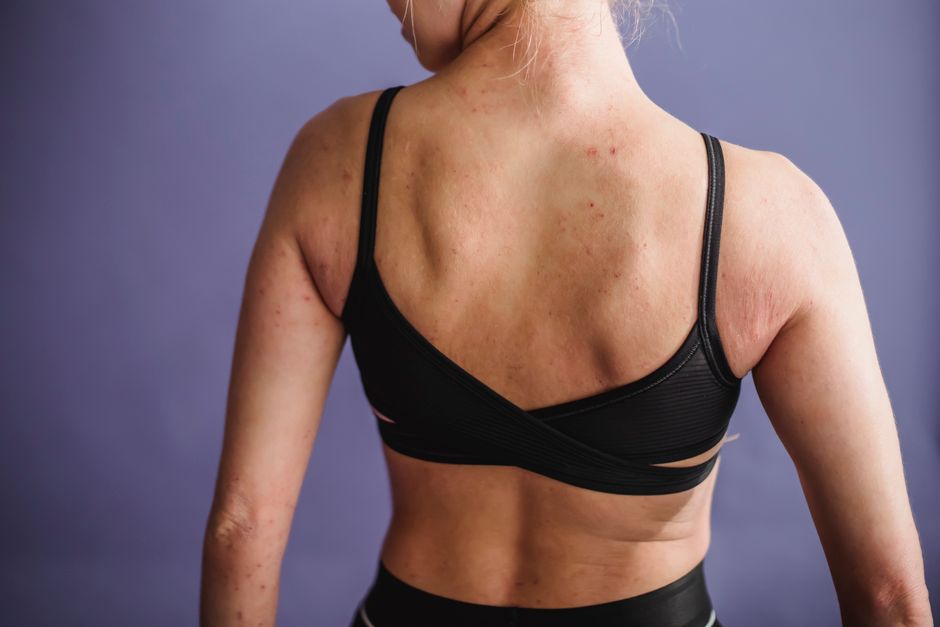
You step outside, brush against a plant, and within a day or two your skin is red, blistered, and intensely itchy. Your first thought is poison ivy. But what if it is not? Many skin rashes look nearly identical to poison ivy but have completely different causes. The most common rashes mistaken for poison ivy include allergic contact dermatitis from other plants or chemicals, eczema flare-ups, psoriasis, shingles, and even insect bite reactions. Knowing which one you have matters because treatment changes completely depending on the cause.
What Other Plants Cause a Rash That Looks Like Poison Ivy?
Poison ivy gets all the attention, but it is part of a larger plant family called Anacardiaceae. This family includes poison oak, poison sumac, and the mango tree. Cross-reactivity is real. If you are sensitive to poison ivy, you may also react to mango skin, cashew shells, or even the lacquer used on some Asian furniture.
Research published in the journal Dermatitis shows that urushiol is the oily allergen in all these plants. It binds to skin proteins and triggers a delayed allergic reaction in about 85% of people. The rash appears 12 to 72 hours after contact. It looks like red streaks with bumps and blisters.
Other plants that cause a nearly identical rash include wild parsnip, giant hogweed, and stinging nettle. These plants cause a phototoxic reaction rather than an allergic one. The rash appears only after sun exposure touches the plant oil on your skin. The blisters can be severe and take weeks to heal.
If you have been gardening or hiking and see a blistering rash in a linear pattern, think about plants beyond poison ivy. The treatment differs. Phototoxic rashes need sun avoidance and cool compresses. Allergic rashes need topical steroids and antihistamines.
How Can You Tell the Difference Between Poison Ivy and Eczema?
Eczema, also called atopic dermatitis, is a chronic inflammatory skin condition. It affects about 10% of adults in the United States according to the National Eczema Association. The rash looks red, scaly, and itchy. It can blister in severe cases. That is where the confusion starts.
The key difference is location and pattern. Poison ivy rashes appear in streaks where the plant brushed against skin. Eczema appears in flexural areas like the inside of elbows, behind knees, and on the neck. Eczema rarely blisters unless scratched aggressively. Poison ivy blisters are part of the allergic reaction itself.
Another clue is timing. Eczema is a long-term condition that flares and remits. Poison ivy is a single event that follows plant exposure. If you have had similar rashes before in the same spots, it is likely eczema. If this is a one-time rash after being outdoors, suspect poison ivy or another contact allergen.
Some people report that eczema responds to moisturizers and gentle skincare. Poison ivy does not improve with lotion alone. It needs anti-inflammatory treatment like hydrocortisone or prescription steroids.
What Does Shingles Look Like and How Is It Different From Poison Ivy?
Shingles is caused by the varicella-zoster virus, the same virus that causes chickenpox. It affects about one in three people in the United States according to the CDC. The rash appears as a band of blisters on one side of the body. It looks strikingly similar to poison ivy.
Here is the critical difference. Shingles causes pain, burning, or tingling before the rash appears. That pain can start three to five days before any blisters show up. Poison ivy does not cause pain before the rash. It causes itching after the rash appears.
Shingles also follows a nerve pathway called a dermatome. It stays on one side of the body and does not cross the midline. Poison ivy can appear anywhere the plant touched. If your rash is only on one side of your torso or face and you felt pain beforehand, it is shingles until proven otherwise.
Treatment matters. Shingles requires antiviral medication within 72 hours of the rash starting to reduce complications like postherpetic neuralgia. Poison ivy treatment is completely different. Mistaking one for the other delays proper care.




What Rashes Look Like Poison Ivy But Arent Caused by Plants at All?
Several non-plant triggers produce rashes that dermatologists regularly see misdiagnosed as poison ivy. Allergic contact dermatitis from nickel jewelry, fragrances, or topical antibiotics like neomycin can cause red, blistering, itchy skin. These reactions look identical to plant dermatitis.
Psoriasis is another mimic. Plaque psoriasis causes thick, silvery scales on red skin. But guttate psoriasis causes small, red, drop-shaped spots that can be mistaken for poison ivy. Guttate psoriasis often appears after a strep throat infection. It does not blister. It does not follow a plant contact pattern.
Insect bite reactions, especially from chiggers or mosquitoes, can cause clusters of red welts that look like poison ivy blisters. Chigger bites are intensely itchy and appear in groups where clothing fits tightly. The key difference is that each bump has a tiny red dot in the center from the bite. Poison ivy blisters do not have that central punctum.
Scabies is caused by mites burrowing into skin. The rash looks like small red bumps and blisters, often between fingers, on wrists, and in armpits. The itching is severe and worse at night. Scabies requires prescription medication. Over-the-counter creams will not work.
| Rash Type | Key Feature | Location Pattern | Treatment |
|---|---|---|---|
| Poison Ivy | Streaks, blisters, itching | Where plant touched skin | Topical steroids, antihistamines |
| Shingles | Pain before rash, one-sided | Nerve pathway (dermatome) | Antiviral medication |
| Eczema | Chronic, scaly, flexural | Elbows, knees, neck | Moisturizers, steroids |
| Psoriasis | Silvery scales, red plaques | Scalp, elbows, knees | Topical treatments, biologics |
| Scabies | Intense night itching, burrows | Between fingers, wrists | Prescription scabicide |
| Nickel Allergy | Rash under jewelry or buttons | Earlobes, belly button, wrists | Remove allergen, steroids |
What Should You Do When You Cannot Identify the Rash?
If you have a rash that looks like poison ivy but you are not sure, start with the basics. Wash the area with soap and cool water. Remove any clothing that may have plant oils on it. Apply a cold compress to reduce itching. Take an oral antihistamine like diphenhydramine for symptom relief.
Do not pop blisters. The fluid inside is not contagious. Popping them increases infection risk. If the rash covers more than 10% of your body, is on your face or genitals, or has signs of infection like pus or fever, see a doctor.
A dermatologist can perform a patch test to identify specific allergens. This is especially useful if you have recurrent rashes that look like poison ivy. Patch testing involves placing small amounts of common allergens on your back for 48 hours. It can identify nickel, fragrances, preservatives, and plant allergens.
The American Academy of Dermatology recommends seeing a specialist if the rash does not improve with over-the-counter treatment within one week. Some rashes require prescription-strength steroids or other medications that are not available without a prescription.
Common Misconceptions About Poison Ivy Look-Alike Rashes
One widespread myth is that poison ivy rash is contagious. It is not. The fluid in blisters does not contain urushiol. You cannot spread it to other people or to other parts of your body once the oil is washed off. Shingles, however, can spread chickenpox to people who have never had it. Scabies is highly contagious through skin contact.
Another misconception is that all plant rashes are allergic reactions. Some are phototoxic. Wild parsnip and giant hogweed cause a chemical burn when sunlight hits the plant oil on your skin. This is not an allergy. It is a direct toxic reaction. The blisters can be deeper and more painful than poison ivy.
Some people believe that if you have never reacted to poison ivy before, you are immune. This is false. Sensitivity to urushiol can develop at any time. About 15% of people never become sensitive, but the rest can develop a reaction after repeated exposure. First exposures often do not cause a rash. Second and later exposures can be severe.
There is no clinical evidence that home remedies like bleach, rubbing alcohol, or vinegar cure poison ivy or its look-alikes. These substances can damage skin and delay healing. Stick to soap, water, and proven treatments.
Frequently Asked Questions
Can poison ivy rash appear on only one side of the body?
No, poison ivy rash appears wherever the plant oil touched your skin. A one-sided rash that follows a band pattern is more likely shingles.
How long does it take for a poison ivy look-alike rash to go away?
Most rashes resolve within one to three weeks with proper treatment, but shingles can cause nerve pain that lasts months.
Is it safe to use hydrocortisone cream on an unknown rash?
Hydrocortisone is safe for poison ivy and eczema but can make shingles or fungal infections worse. See a doctor if you are unsure.
What is the most common misdiagnosis for poison ivy?
Dermatologists report that allergic contact dermatitis from nickel or fragrances is the most common mimic, followed by shingles.
