
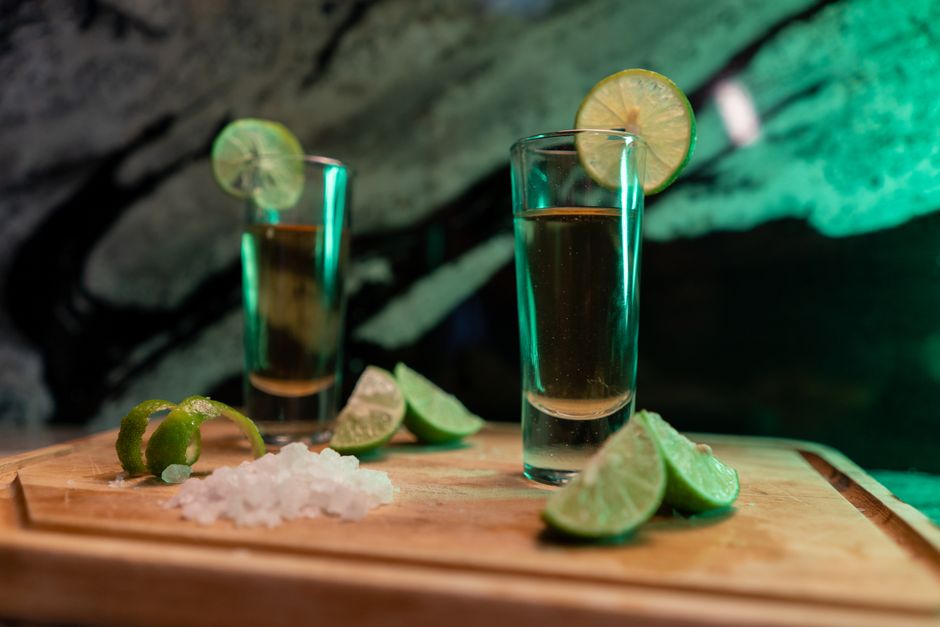
Tequila’s proof is almost always 80, which means 40% alcohol by volume. That is the standard for most bottles you see on shelves. Some premium and aged tequilas are bottled at higher proofs, like 84, 100, or even higher, but they are the exception rather than the rule.
What Does Proof Mean for Tequila?
Proof is simply a way to measure how much alcohol is in a drink. In the United States, the number is exactly double the percentage of alcohol by volume (ABV). So 80 proof equals 40% ABV. A 100-proof tequila equals 50% ABV.
This system is straightforward. If you see a bottle labeled 80 proof, you know it is 40% alcohol. If you see 120 proof, it is 60% alcohol. The higher the proof, the stronger the drink.
Most tequila producers bottle their product at 80 proof because that is the traditional strength. It is strong enough to deliver the flavor of the agave plant but mild enough to drink neat or in cocktails without overwhelming the other ingredients.
Why Is Most Tequila 80 Proof?
There is no legal requirement that tequila must be 80 proof. Mexican regulations set a minimum of 35% ABV, which is 70 proof. In the United States, tequila must be at least 40% ABV, or 80 proof, to be sold legally.
Most major brands choose 80 proof for consistency and market expectations. It is the standard strength that drinkers have come to expect. Distillers could bottle weaker tequila for the US market, but they rarely do because consumers associate 80 proof with quality.
Higher-proof tequilas exist for drinkers who want more intensity. These bottles often appeal to people who sip tequila straight and want a stronger agave flavor. The alcohol itself carries flavor compounds, so a higher-proof tequila often tastes more concentrated.
What Is the Highest Proof Tequila?
Some tequilas are bottled at very high proofs for the enthusiast market. You can find bottles at 110 proof, 120 proof, and occasionally higher. These are usually limited releases or small-batch products.
There is no official cap on tequila proof. The only limit is practical. Tequila is distilled to a much higher proof initially, then diluted with water before bottling. A distiller could choose to dilute less, resulting in a stronger final product.
Most high-proof tequilas stay between 100 and 120 proof. Anything above that becomes difficult to drink comfortably because the alcohol burns the palate. These bottles are not meant for mixing. They are for experienced drinkers who want the purest expression of the agave.





Does Higher Proof Mean Better Tequila?
No. Proof is not a measure of quality. It is simply a measure of alcohol content. A well-made 80-proof tequila can be far better than a poorly made 110-proof bottle.
That said, some tequila enthusiasts prefer higher-proof expressions. The extra alcohol can intensify the aroma and flavor. It also changes the mouthfeel, making the tequila feel thicker and warmer on the tongue.
The trade-off is that higher proof means more burn. A 100-proof tequila will feel noticeably hotter than an 80-proof version. This can mask the subtle flavors that come from aging in oak barrels, especially in reposado and añejo tequilas.
For blanco tequilas, which are unaged, higher proof can showcase the raw agave character more vividly. Some drinkers find this appealing. Others find it overwhelming. It is a matter of personal taste, not objective quality.
How to Read a Tequila Label
Reading a tequila label is simple once you know what to look for. The proof or ABV is usually printed on the front or back of the bottle. In the US, you will see either “80 Proof” or “40% Alc./Vol.”
Here is what the numbers mean:
- 70 proof – 35% ABV. The minimum for tequila sold in Mexico.
- 80 proof – 40% ABV. The standard for most tequilas sold in the US.
- 84 proof – 42% ABV. A slightly stronger version some brands offer.
- 100 proof – 50% ABV. A high-proof tequila for experienced drinkers.
- 110–120 proof – 55–60% ABV. Rare, intense, and usually for sipping.
The label also tells you the age category. Blanco is unaged or aged less than two months. Reposado is aged between two months and one year. Añejo is aged one to three years. Extra añejo is aged more than three years. The aging process affects flavor, color, and sometimes the perception of strength, but it does not change the proof.
Does Proof Affect How Tequila Tastes?
Yes. Proof changes the entire tasting experience. Higher-proof tequila delivers more alcohol to your palate, which creates a warming sensation and can intensify flavors already present in the liquid.
Alcohol is a solvent. It extracts flavor compounds differently than water does. When a tequila is bottled at higher proof, more of those compounds remain dissolved and active in your mouth. This is why a 100-proof blanco can taste more intensely of agave, citrus, and pepper than the same tequila diluted to 80 proof.
However, high proof also amplifies the burn. That heat can be unpleasant for many drinkers. It can also dull your sense of taste after the first sip, making it harder to pick out subtle notes.
If you are new to high-proof tequila, start with a small pour. Add a few drops of water to open up the flavors. This is a common practice among whiskey and tequila enthusiasts. A tiny amount of water can reduce the burn without washing away the flavor.
What Proof Should You Buy?
There is no single right answer. It depends on how you plan to drink the tequila and what you enjoy.
If you are mixing cocktails, stick with 80 proof. It blends cleanly with lime, salt, and other ingredients without dominating the drink. Most cocktail recipes assume you are using an 80-proof tequila, so the balance will be correct.
If you are sipping tequila straight, try both 80 and 100 proof to see which you prefer. Some drinkers find that higher proof makes the agave character more pronounced. Others find it too harsh. Your preference is the only one that matters.
If you are cooking with tequila, use whatever you have. The alcohol cooks off, so the proof makes little difference to the final dish. What matters is the flavor of the tequila itself.
One practical note: higher-proof tequila gets you drunk faster. A 100-proof tequila has 25% more alcohol per ounce than an 80-proof version. If you pour the same size glass, you are consuming more alcohol. Drink slowly and pay attention to how you feel.
Is 100 Proof Tequila Legal Everywhere?
Yes. There are no legal restrictions on selling high-proof tequila in the United States or Mexico. As long as the bottle meets the labeling requirements and the alcohol content is accurate, it can be sold anywhere spirits are legal.
Some countries have different rules about maximum alcohol content for spirits, but these rarely affect tequila. The vast majority of tequila sold worldwide is 80 proof, so higher-proof bottles are a niche product.
If you are traveling internationally, check local alcohol laws before bringing high-proof spirits across borders. Customs regulations vary, and some countries limit the alcohol content of beverages you can import. This is a practical concern, not a health one.
Frequently Asked Questions
What does 80 proof mean in tequila?
80 proof means the tequila is 40% alcohol by volume. This is the standard strength for most tequilas sold in the United States.
Is higher proof tequila stronger?
Yes. Higher proof means more alcohol by volume. A 100-proof tequila is 50% alcohol, which is 25% stronger than an 80-proof tequila.
Why is some tequila 100 proof?
Some brands bottle at 100 proof to deliver a more intense agave flavor and aroma. Higher proof is a preference for enthusiasts who sip tequila straight.
Can you mix high-proof tequila in cocktails?
You can, but it will make the drink stronger and may overpower other ingredients. Most cocktail recipes are designed for 80-proof tequila.
