

A toothache is pain in or around a tooth, and it usually means something is wrong that a dentist needs to see. To stop the pain short-term, take an over-the-counter pain reliever like ibuprofen or acetaminophen as directed on the label, rinse your mouth with warm salt water, and avoid very hot, cold, or sugary foods. Then call a dentist. Painkillers ease the symptom, not the cause, and untreated tooth problems tend to get worse.
Most toothaches come from problems that will not fix themselves: a cavity reaching the nerve, an infection, a cracked tooth, or inflamed gums. That is why the goal is two-part. Manage the pain now, and get the underlying cause treated before it does more damage.
What Usually Causes a Toothache?
Most toothaches trace back to a handful of well-understood problems. Knowing which one fits your symptoms helps you describe it to a dentist and understand what treatment might involve.
The most common cause is tooth decay. Bacteria in the mouth feed on sugar and produce acid that wears through enamel. Once decay reaches the softer dentin and then the pulp — the inner tissue holding nerves and blood vessels — you feel pain. Early decay often causes no pain at all, which is why it can go unnoticed until it is advanced.
A dental abscess is a pocket of pus caused by bacterial infection, usually at the root of a tooth. This is the cause that most needs prompt attention. The pain is often throbbing and constant, and it may get worse when you lie down. An abscess can spread beyond the tooth into the jaw or face, which is why it is treated as urgent rather than routine.
Other common causes include:
- Cracked or fractured teeth — pain that comes and goes, often sharp when you bite down or release.
- Gum disease — infection and inflammation of the tissues around the tooth, which can cause a dull ache or sensitivity.
- Loose or lost filling — exposes the tooth underneath and can cause sharp sensitivity.
- Sinus infection — pressure in the sinuses can make upper back teeth ache. The teeth themselves are usually fine.
- Jaw joint or muscle problems — pain that feels like it is in a tooth but comes from the jaw.
One detail worth knowing: a tooth can hurt even when the nerve inside is dead. Pain from pressure or infection around the root continues after the nerve stops signaling. So “the pain stopped” does not always mean the problem resolved.
How To Stop A Painful Toothache Right Now
These steps reduce pain in the short term while you wait to see a dentist. None of them treat the underlying cause.
Take an over-the-counter pain reliever. Ibuprofen and acetaminophen are the standard options. Follow the label directions exactly, including the maximum daily dose. Do not combine products that contain the same ingredient — many cold and flu remedies include acetaminophen, and doubling up can harm the liver. If you have kidney disease, stomach ulcers, heart conditions, or are pregnant, check with a pharmacist or clinician before using ibuprofen.
Rinse with warm salt water. Dissolve about half a teaspoon of salt in a glass of warm water and swish gently. This is a traditional remedy rather than a proven treatment, but it is low-risk, may reduce swelling of gum tissue, and helps clear debris. Do not use very hot water.
Avoid triggers. Skip very cold drinks, very hot foods, and sweets, which commonly sharpen tooth pain. Chew on the other side of your mouth. Soft foods are easier while you wait.
Keep your head elevated. Lying flat can increase pressure and throbbing, especially with an abscess. Sleeping with your head slightly raised may help.
Apply a cold pack outside the cheek. A cold compress for short periods can numb the area and reduce swelling. Never place aspirin or any painkiller directly against the gum — this can burn tissue and does not help.
What not to do: do not put off care because the pain eased, and do not try to treat an infection with home remedies alone. An abscess does not resolve on its own.
When Is a Toothache a Dental Emergency?
Some toothaches need same-day care. Seek urgent dental or medical attention if you have any of these signs:
- Swelling in your face, jaw, or under the eye
- Fever along with tooth pain
- Difficulty swallowing or opening your mouth
- Swelling or pain that makes it hard to breathe
- Pain that is severe and keeps you awake
- A foul taste or pus near the tooth
- Swelling that spreads toward your neck or throat
Difficulty breathing or swallowing with facial swelling is a medical emergency. Call emergency services or go to an emergency department. Dental infections can spread to deeper tissues of the head and neck, and that spread can become dangerous quickly.
If you have no warning signs, a call to your dentist within a day or two is still the right move. Pain that lasts more than a couple of days, or that returns, should be evaluated.
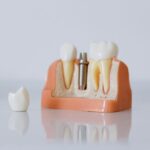




What Will a Dentist Do for a Toothache?
Treatment depends on the cause, which is why a dentist examines the tooth, often with X-rays, before deciding. The aim is to remove the source of the problem, not just the pain.
For decay, a filling usually resolves the issue. If decay has reached the pulp, a root canal is often needed — this removes the infected tissue inside the tooth and seals it. Despite its reputation, a root canal is typically done with local anesthesia and is not more painful than the toothache it treats.
For an abscess, the dentist drains the infection and treats the source, which may mean a root canal or extraction. Antibiotics are sometimes prescribed, but they are not a substitute for treating the tooth itself. Antibiotics alone will not cure a dental abscess — the infected tissue must be addressed.
For a cracked tooth, options range from bonding to a crown, depending on how deep the crack runs. For gum disease, professional cleaning and gum treatment are the focus. For a problem coming from the sinuses or jaw, the dentist may refer you to the right specialist.
Extraction is a last resort, used when a tooth cannot be saved. It is sometimes the right call, particularly with a badly damaged or infected tooth.
Can You Prevent Toothaches?
Most toothaches are preventable, because most come from decay and gum disease — both largely driven by habits you can change.
Brush twice a day with fluoride toothpaste. Clean between your teeth daily with floss or another interdental cleaner, since brushing alone does not reach the spaces between teeth where decay and gum disease often start. Limit sugary drinks and frequent snacking, which keep acid levels high in the mouth.
See a dentist for regular checkups and cleanings. Early decay is often painless and can be caught and treated before it reaches the nerve. This is the single most effective way to avoid the kind of toothache that wakes you at night.
Avoid using your teeth to open packages or crack nuts, which can cause cracks that are painful and sometimes hard to repair.
Does Clove Oil or Other Home Remedies Work?
Some home remedies have a modest basis, and others do not. Clove oil is the best studied. It contains eugenol, a compound with a numbing effect that has been used in dentistry. Some evidence supports it for short-term relief, but it is not a treatment for the cause and should not replace dental care. Dilute it and apply sparingly — undiluted clove oil can irritate gum tissue.
Other common remedies — garlic, salt water, cold compresses, over-the-counter topical gels — range from low-risk comfort measures to unproven. None of them cure decay or infection. No clinical evidence currently confirms that any home remedy resolves an abscess or restores a damaged tooth.
Be cautious with anything marketed as a “natural cure” for toothache. The cause is usually structural or infectious, and no topical product removes decay or drains an infection.
Frequently Asked Questions
How can I stop a toothache fast at home?
Take an over-the-counter pain reliever as directed on the label and rinse with warm salt water. These ease pain temporarily but do not treat the cause, so see a dentist.
When should I go to the emergency room for a toothache?
Go to the emergency room if you have facial swelling with fever, trouble swallowing, or any difficulty breathing. These signs suggest an infection spreading beyond the tooth.
Can a toothache go away on its own?
Some mild sensitivity fades, but most toothaches come from decay or infection that does not resolve without treatment. Pain that stops does not always mean the problem is gone.
What is the best painkiller for a toothache?
Ibuprofen or acetaminophen are the standard over-the-counter options, used as directed on the label. The right choice depends on your health history, so ask a pharmacist if you are unsure.
