
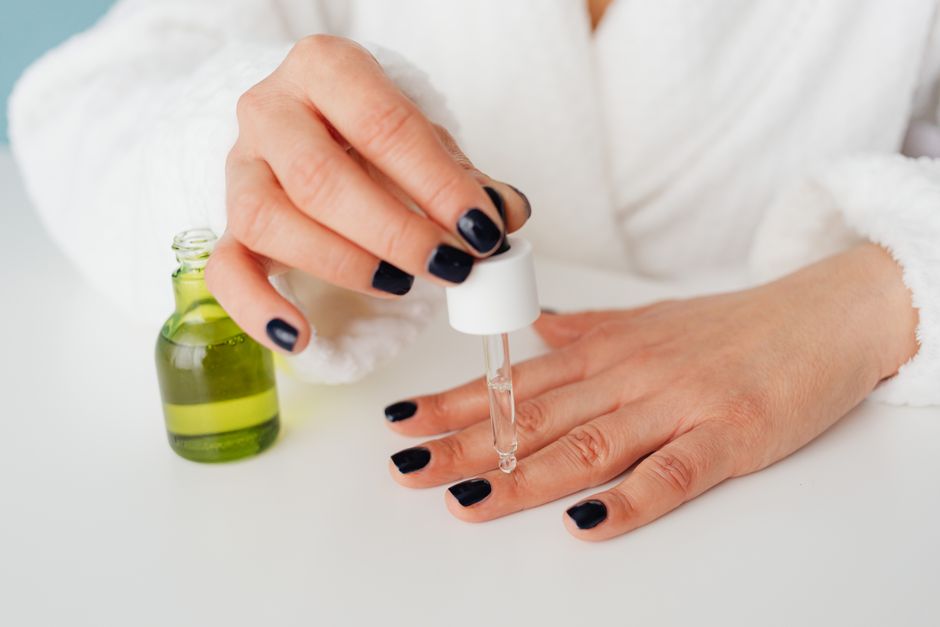
Nails grow from a small area at the base called the matrix, and the process is steady but slow. On average, fingernails grow about 3.5 millimeters per month, while toenails grow slower. What promotes nail growth comes down to a mix of adequate nutrition, smart daily habits, and normal hormone function. If you are missing key nutrients, damaging the nail bed, or dealing with a hormone shift, growth slows and nails become brittle or ridged. The good news is that most people can improve growth by fixing diet gaps and changing how they treat their hands.
What Nutrients Actually Support Nail Growth?
Nails are made of keratin, a protein that also forms hair and the outer layer of skin. Your body needs enough protein to build this structure. If your diet is low in protein, nail growth can slow down noticeably.
Beyond protein, several vitamins and minerals play direct roles. Biotin is the most studied nutrient for nails. Some research suggests that high doses of biotin can strengthen brittle nails, though the evidence is not uniform. The typical dose used in studies is 2.5 milligrams per day, but you should talk to a doctor before taking that much.
Other nutrients matter too:
- Iron — low iron levels can cause nails to become thin, spoon-shaped, or slow to grow.
- Zinc — supports cell division, which nails need to grow.
- Vitamin C — helps your body make collagen, a structural protein in the nail bed.
- Vitamin D — some evidence links low levels to brittle nails.
- Omega-3 fatty acids — keep the nail plate hydrated and less prone to cracking.
Eating a balanced diet with eggs, fish, lean meat, beans, nuts, and leafy greens usually covers these needs. Supplements are only helpful if you have a confirmed deficiency. Taking extra iron when your levels are normal does not make nails grow faster.
How Do Daily Habits Affect Nail Growth?
Your habits at home and at work can speed up or slow down growth. Constant water exposure is a common culprit. Washing dishes, swimming, or soaking in baths strips natural oils from the nail plate. Over time, nails become dry, brittle, and more likely to peel or split before they can grow long.
Wearing gloves for wet work and applying hand cream after washing helps. Look for moisturizers with ingredients like shea butter, lanolin, or ceramides. These trap moisture and keep the nail flexible.
Trauma is another major factor. Biting nails, picking at cuticles, or using nails as tools creates micro-damage at the matrix. The body responds by slowing growth to repair the area. Even aggressive filing can cause peeling. Use a fine-grit file and file in one direction only.
Nail polish and removers also play a role. Acetone-based removers are very drying. If you wear polish constantly, the nail cannot breathe or absorb moisture from the air. Taking a break from polish for a few days each month gives nails time to rehydrate.
What Role Do Hormones Play in Nail Growth?
Hormones influence nail growth more than most people realize. Thyroid hormone is the clearest example. An underactive thyroid, called hypothyroidism, slows metabolism throughout the body. Nails grow slower and often become thick, dry, and brittle. An overactive thyroid can cause the opposite — fast-growing but fragile nails that split easily.
Estrogen also matters. During pregnancy, higher estrogen levels can make nails grow faster and stronger. Many women notice this change in the second trimester. After childbirth, when estrogen drops sharply, nails often become brittle and may shed. This is a normal temporary change, not a deficiency.
Menopause brings lower estrogen overall, and many women report slower nail growth and more ridges. This is partly due to reduced collagen production and less moisture retention in the nail plate.
Growth hormone and insulin-like growth factor also stimulate nail growth, but these are rarely the cause of slow nails in otherwise healthy adults. If you notice sudden changes in nail growth along with fatigue, weight changes, or temperature sensitivity, it is worth asking a doctor to check your thyroid.




What Promotes Nail Growth Diet Habits Hormones: The Combined Picture
No single factor works alone. A person can eat a perfect diet but still have slow nails if they bite them constantly. Another person can have excellent habits but struggle because of untreated hypothyroidism.
The most effective approach addresses all three areas at once:
- Eat enough protein and cover key vitamins and minerals through food first.
- Protect nails from water, chemicals, and mechanical stress.
- Moisturize daily and take breaks from polish.
- See a doctor if you suspect a hormone issue, especially thyroid.
Patience is also part of the picture. Nails grow from the base, so changes in diet or habits take weeks to show at the tip. A nail takes about six months to fully replace itself from cuticle to tip. Do not expect overnight results.
When Slow Nail Growth Signals a Health Problem
Slow growth alone is rarely a medical emergency. But certain nail changes deserve attention. If nails become spoon-shaped, with a dip in the middle that holds a drop of water, this can signal iron deficiency anemia. If nails develop dark streaks, sudden discoloration, or separate from the nail bed, see a doctor.
Thick, yellow nails that grow very slowly can indicate a fungal infection. This is common and treatable, but it does not resolve on its own. A doctor can confirm the diagnosis and recommend an antifungal treatment.
Beau’s lines are horizontal ridges or grooves across the nail. They appear when nail growth temporarily stops due to illness, high fever, chemotherapy, or severe stress. The nail resumes growing after recovery, and the line moves upward as the nail grows out.
If you have multiple nails affected at the same time, or if nail changes come with hair loss, skin rashes, or fatigue, mention it to your doctor. Nails are a window into overall health, and changes can sometimes point to conditions like psoriasis, kidney disease, or nutritional deficiencies that need treatment.
Are Nail Growth Supplements Worth It?
The supplement market for nail growth is large, but the evidence is thin. Biotin is the most researched, and some studies show benefit for people with brittle nails. However, the effect is modest and not everyone responds. High-dose biotin can also interfere with lab tests, including thyroid tests and cardiac troponin tests. If you take biotin, tell your doctor before any blood work.
Collagen supplements are popular. Some research suggests they improve nail growth and reduce breakage, but most studies are small or funded by supplement companies. The evidence is promising but not definitive. Eating collagen-rich foods like bone broth or getting protein from meat and fish provides the same building blocks.
Hair, skin, and nail vitamins usually combine biotin, vitamin C, zinc, and other nutrients. If you already eat a balanced diet, these supplements are unlikely to make a dramatic difference. If you have a known deficiency, treating that specific deficiency is more effective than taking a broad multivitamin.
No clinical guidelines currently exist for supplement dosing to promote nail growth in healthy adults. The safest approach is to test for deficiencies first and supplement only what you are missing.
Can You Speed Up Nail Growth Naturally?
You cannot dramatically speed up nail growth beyond your genetic baseline. Growth rate is largely determined by age, genetics, and overall health. Younger people grow nails faster. Nails also grow faster in summer than winter, and faster on your dominant hand.
What you can do is remove the factors that slow growth down. That means protecting nails from trauma, keeping them moisturized, eating adequately, and addressing any underlying medical issue. Doing these things brings you to your natural maximum growth rate.
Some people try nail hardeners or growth serums. Hardeners contain formaldehyde or similar ingredients that make nails feel stronger temporarily. But they can also make nails more brittle over time. There is no strong evidence that any topical product increases the actual growth rate from the matrix.
Massaging the nail bed and cuticles may improve blood flow to the area. Better circulation delivers oxygen and nutrients to the matrix. The effect is small, but it is harmless and can be part of a daily moisturizing routine.
Frequently Asked Questions
How long does it take for nails to grow back fully?
Fingernails take about six months to grow from cuticle to tip. Toenails take closer to 12 months.
Does biotin really help nails grow faster?
Biotin can strengthen brittle nails in some people, but it does not speed up the growth rate. The effect is modest and not everyone responds.
Can thyroid problems cause slow nail growth?
Yes, an underactive thyroid slows nail growth and can make nails thick and brittle. Treating the thyroid condition usually restores normal growth.
What vitamin deficiency causes slow nail growth?
Iron deficiency is the most common cause, but low zinc, biotin, or protein can also contribute. A doctor can test for these deficiencies.
