
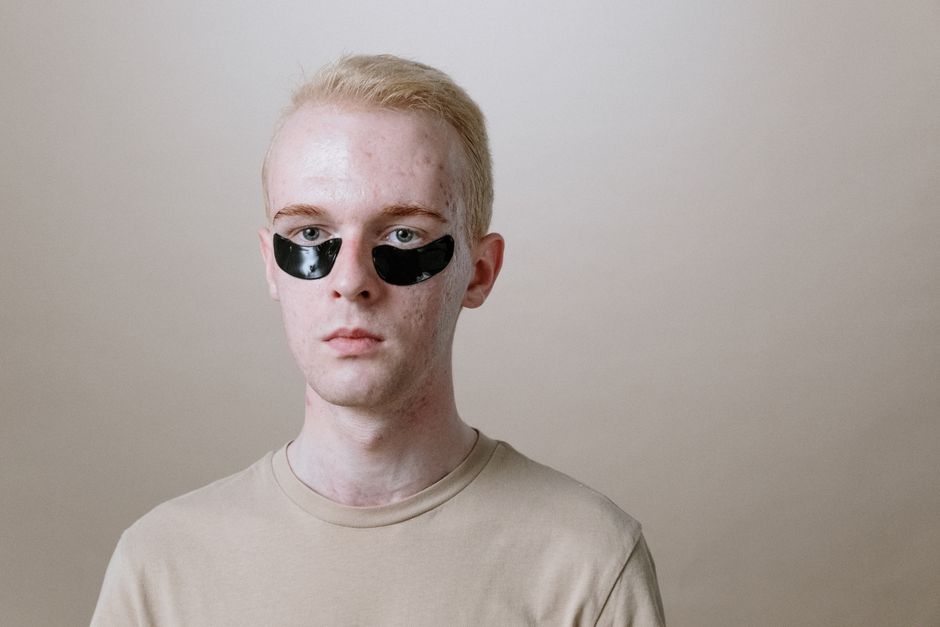
A blind pimple forms deep beneath the skin’s surface, and the most common causes are hormonal fluctuations, excess oil production, and trapped bacteria inside the pore. Unlike a typical whitehead, a blind pimple never comes to a head because the blockage and inflammation occur in the deeper layers of the skin. Diet may play a secondary role for some people, but hormones remain the primary driver for most cases.
What Is a Blind Pimple Exactly?
A blind pimple is a type of acne lesion that develops below the surface of the skin. It feels like a firm, sometimes painful bump under the skin. The medical term for this type of lesion is a nodule or a cyst, depending on how deep and inflamed it becomes.
Because the pore opening is not blocked at the surface, the contents cannot escape. This causes pressure to build up inside the skin. That pressure is what makes blind pimples tender and sometimes painful to the touch.
Blind pimples can last anywhere from a few days to several weeks. Some resolve on their own. Others become more inflamed and may require treatment to heal properly.
What Causes A Blind Pimple Hormones Diet And More?
The short answer is that hormones are the main trigger for most blind pimples. When androgen levels rise, your skin produces more sebum, which is the natural oil that keeps skin moisturized. Excess sebum mixes with dead skin cells and can block the pore deep inside the follicle.
Once the pore is blocked, bacteria called Cutibacterium acnes multiply inside. The immune system responds to the bacteria by sending white blood cells to the area. That immune response causes redness, swelling, and pain — the classic signs of a blind pimple.
Hormonal shifts that commonly trigger this process include puberty, the menstrual cycle, pregnancy, perimenopause, and conditions like polycystic ovary syndrome (PCOS). Stress also plays a role because it raises cortisol, which can increase oil production.
Diet is a less direct cause. Some research suggests that high-glycemic foods — like white bread, sugary snacks, and processed cereals — may worsen acne in some people. Dairy consumption has also been linked to acne in certain studies, though the evidence is not strong enough to say dairy causes acne for everyone.
Why Do Blind Pimples Hurt More Than Regular Pimples?
Blind pimples hurt because they are deeper. A regular pimple forms near the surface of the skin, where there is less nerve density. A blind pimple forms in the dermis, the thick middle layer of the skin, which contains more nerve endings.
The inflammation also spreads to surrounding tissue. This is different from a surface pimple, where the inflammation stays contained in a small area near the top of the pore.
Pressure is another factor. Because the pore opening is sealed, the contents of the blocked follicle have nowhere to go. The buildup pushes against surrounding skin tissue, which activates pain receptors.





Can Diet Really Make Blind Pimples Worse?
The evidence on diet and acne is real but not simple. Studies have found that diets with a high glycemic load can increase insulin levels. Higher insulin triggers a chain reaction that increases sebum production and inflammation.
Some research published in dermatology journals has found a link between skim milk consumption and acne severity. The reason is not fully understood, but it may relate to hormones naturally present in milk. Whole milk has shown a weaker association than skim milk in some studies.
What the evidence does not show is that chocolate, greasy food, or spicy food directly cause blind pimples. These foods are often blamed, but no large clinical trial has confirmed a direct cause-and-effect relationship.
If you suspect a specific food triggers your breakouts, consider keeping a food diary for a few weeks. Look for patterns. If you notice a consistent link between a food and your acne, it is reasonable to avoid that food and see if your skin improves.
How to Treat a Blind Pimple Safely
The most important rule is to not squeeze or pick at a blind pimple. Squeezing pushes the infection deeper into the skin. This can make the inflammation worse and increase the risk of scarring.
Several over-the-counter treatments can help. Products containing benzoyl peroxide kill bacteria and reduce inflammation. Salicylic acid helps exfoliate the inside of the pore, which can speed up resolution. Both are available in creams, gels, and washes.
Warm compresses applied for 10 to 15 minutes a few times a day can help bring the pimple closer to the surface. This does not guarantee it will come to a head, but it can reduce pain by improving blood flow to the area.
A dermatologist can offer stronger options. Prescription-strength benzoyl peroxide, topical antibiotics, or oral antibiotics are common first-line treatments. For persistent hormonal acne, some dermatologists recommend oral contraceptives or spironolactone, which block the effects of androgens on the skin.
For a single painful blind pimple, a dermatologist can inject a diluted corticosteroid directly into the lesion. This treatment reduces inflammation quickly, often within 24 to 48 hours. It is not a long-term solution but can provide rapid relief for a painful, swollen bump.
When to See a Dermatologist
Most blind pimples resolve on their own within one to two weeks. But some situations warrant professional care.
See a dermatologist if you have a blind pimple that lasts longer than two weeks without improving. Also seek care if the area becomes increasingly red, warm, or painful, as these can be signs of a secondary bacterial infection.
If you get blind pimples frequently — more than a few times a year — a dermatologist can help identify the underlying cause. Frequent deep acne often points to a hormonal issue that may benefit from prescription treatment.
Anyone with a history of acne scarring should also consider early professional treatment. Deep nodules and cysts are the most likely types of acne to leave permanent scars.
Can You Prevent Blind Pimples?
Prevention is possible for many people, but it requires consistency. A simple skincare routine that includes a gentle cleanser and a non-comedogenic moisturizer is a reasonable starting point. Non-comedogenic means the product is formulated to not clog pores.
Products containing salicylic acid or benzoyl peroxide can be used a few times per week to keep pores clear. Start with lower concentrations to avoid irritating the skin.
Managing stress, getting adequate sleep, and keeping blood sugar stable through diet may help reduce the frequency of breakouts. These habits do not guarantee clear skin, but they address the underlying hormonal and inflammatory factors that contribute to acne.
If you know your breakouts follow your menstrual cycle, you can start applying a spot treatment a few days before your period is expected. This proactive approach may reduce the severity of hormonal breakouts.
Common Myths About Blind Pimples
One common myth is that poor hygiene causes blind pimples. Dirt does not cause acne. Acne forms when oil and dead skin cells block a pore, not when the skin is dirty. Washing your face more than twice a day can actually irritate the skin and make acne worse.
Another myth is that toothpaste can treat a blind pimple. Toothpaste contains ingredients that can dry out the skin, but it also contains flavorings and detergents that cause irritation. No clinical evidence supports toothpaste as an acne treatment.
Some people believe that popping a blind pimple will make it heal faster. The opposite is true. Popping increases inflammation, spreads bacteria, and raises the risk of infection and scarring.
Finally, the idea that sunscreen causes acne is only partially true. Some sunscreens can clog pores, but many modern formulations are non-comedogenic. Sun exposure can darken acne scars and increase inflammation, so wearing a non-comedogenic sunscreen is generally recommended.
Frequently Asked Questions
How long does a blind pimple last?
A blind pimple typically lasts one to two weeks. Some can persist for several weeks if they become deeply inflamed.
Can I pop a blind pimple?
No. Popping a blind pimple pushes infection deeper into the skin and increases the risk of scarring.
Does ice help a blind pimple?
Ice can reduce pain and swelling when applied for a few minutes at a time. It will not cure the pimple, but it can provide temporary relief.
Are blind pimples a sign of hormonal imbalance?
Frequent blind pimples can suggest a hormonal component, especially if they appear along the jawline or chin. A dermatologist can help determine whether hormone testing is appropriate.
