
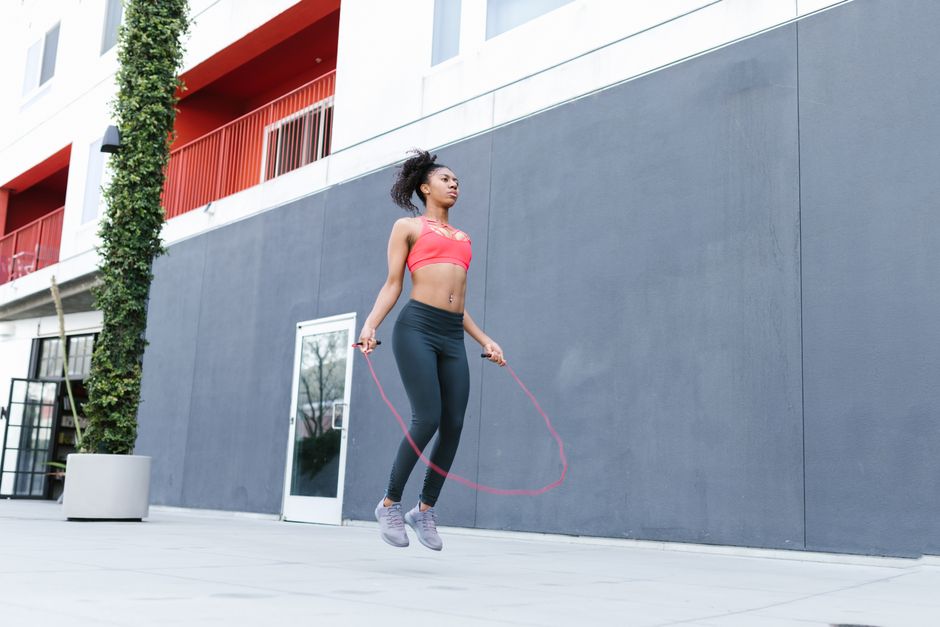
Most pre-workout supplements you can buy are built on a short list of ingredients with real evidence behind them, padded out with a longer list that has little or none. Caffeine works. Creatine works. Beta-alanine works for certain types of effort. Nitrate from beetroot has decent support for endurance. Beyond that, the picture gets thin fast. The smartest approach is to buy single ingredients you understand, at doses that match the research, and skip the proprietary blends that hide their amounts.
What Pre Workout Should I Use And What To Skip?
Use caffeine, creatine, beta-alanine, and dietary nitrate if your goal is performance. Skip proprietary blends, most “testosterone boosters,” and anything promising results without listing exact doses.
The supplement aisle is not regulated the way medications are. In the US, pre-workout products fall under food supplement rules. That means a tub can hit the shelf without anyone proving it works or even that the label is accurate.
That single fact should shape how you shop. You are not choosing between brands. You are choosing between ingredients you can verify and ingredients you cannot.
The four ingredients with real evidence
Caffeine is the most studied performance aid in sports nutrition. It improves alertness, reduces perceived effort, and can help with both strength and endurance work. Doses in the research commonly fall around 3 to 6 mg per kilogram of body weight, taken about 30 to 60 minutes before training. For a 150-pound person, that range is roughly 200 to 400 mg. Many people do fine on less, and sleep disruption is a real cost if you train late.
Creatine monohydrate has the deepest evidence base of any strength supplement. It supports short bursts of high-intensity effort and repeated sprints. The standard approach is a maintenance dose of about 3 to 5 grams daily, with or without a loading phase. Timing barely matters. Consistency does.
Beta-alanine helps buffer acid in working muscle. It shows benefit mainly for efforts lasting roughly one to four minutes — think a hard set of rows, a 400-meter repeat, or a long interval on the bike. It does little for a single heavy lift or a marathon. You take it daily to build up muscle levels, not as a pre-workout hit, and the tingling sensation it causes is harmless.
Dietary nitrate, usually from beetroot juice or concentrate, has reasonable support for endurance performance and blood flow. The effect is modest and varies between people. It is not a stimulant and will not make you feel “on.”
Which Pre Workout Ingredients Are Worth Your Money?
Worth your money means two things: the ingredient has human trials behind it, and the product tells you exactly how much is in the scoop. Most do not.
That is where proprietary blends cause trouble. A label that says “Strength Matrix 4,200 mg” with six ingredients listed underneath tells you nothing. You cannot know whether you are getting a meaningful dose of creatine or a sprinkle of it for label decoration.
Buy single-ingredient products when you can. A bag of creatine monohydrate, a container of beta-alanine, and plain caffeine tablets or coffee give you full control. You know the dose. You know the cost. You can drop anything that does not help you.
If you prefer a ready-made blend, look for one that lists every ingredient with its exact milligram amount. If the label hides behind a blend name, put it back.
What Should You Skip In A Pre Workout?
Skip anything with a hidden dose, and treat stimulant-heavy blends with caution. The most common problems are not dangerous ingredients so much as vague ones and too much of a good thing.
- Proprietary blends. No exact doses means no way to judge the product.
- Testosterone boosters. Tribulus terrestris and most similar ingredients have not held up in human trials for raising testosterone or building muscle.
- Exotic stimulants. Some products contain stimulant compounds related to amphetamines or other unlisted drugs. Regulators have recalled multiple pre-workout products over the years for containing substances not on the label.
- Massive caffeine loads. More is not better. Very high doses raise the risk of jitteriness, rapid heart rate, and disrupted sleep without adding performance.
- Branched-chain amino acids (BCAAs). If you eat enough protein, BCAAs add little. They are popular, not proven for most people who already eat well.
- Glutamine and most “recovery” add-ins. Evidence for performance benefit in healthy trained people is weak.
One clarification worth knowing: the tingling from beta-alanine is called paresthesia. It feels odd but is not a sign of harm, and splitting the dose reduces it.





Is A Pre Workout Supplement Necessary At All?
No. You can get most of the benefit from food, coffee, and good timing. A pre-workout is a convenience, not a requirement.
Caffeine from a cup of coffee works as well as caffeine from a tub. Creatine can be mixed into any drink. Nitrate comes from beets, spinach, and arugula. Beta-alanine is the one ingredient that is genuinely hard to get from food in useful amounts, so it is the clearest case for a supplement if your training involves those one-to-four-minute efforts.
What actually moves performance more than any powder: consistent sleep, enough total protein, enough calories, and a training plan you follow. A pre-workout cannot rescue a program built on six hours of sleep and skipped meals.
How Should You Time And Dose A Pre Workout?
Timing depends on the ingredient, not the tub. Caffeine peaks in your blood roughly 30 to 60 minutes after you take it. Nitrate from beetroot is usually taken two to three hours before endurance events in the research, though some studies use a concentrated shot closer to the start. Creatine and beta-alanine do not need to be timed around training at all — they work by building up levels in muscle over weeks.
That is the part most people get wrong. They treat beta-alanine like a pre-workout boost when it is really a daily supplement, like creatine. Taking either one right before a session does not give you an instant effect.
For caffeine, match the dose to your body weight and your tolerance, and keep it well away from bedtime. Caffeine has a long half-life — roughly five hours in most adults — so an afternoon scoop can still be in your system at 10 p.m.
What About Safety And Label Accuracy?
Pre-workout supplements are not risk-free, and the biggest risk is often what is not on the label. Independent testing has repeatedly found products containing stimulants or drugs that were not declared. The FDA has issued warnings and recalls over the years for exactly this.
Caffeine is the ingredient most people overdo. Very high intakes can cause palpitations, anxiety, and stomach upset, and combining a big pre-workout dose with energy drinks or strong coffee stacks up fast. If you have a heart condition, high blood pressure, or take medications, talk to your clinician before using stimulant-heavy products.
Pregnant and breastfeeding women should follow established guidance to limit caffeine, and no clinical guidelines support pre-workout supplement use in pregnancy or for children. If you are in either group, the honest position is that these products are not designed for you and the evidence does not cover you.
Look for products tested by a third party, such as NSF Certified for Sport or Informed Sport. These programs verify that what is on the label is in the tub and that banned substances are screened out. They are not a guarantee of effectiveness, but they address the label-accuracy problem.
How Do You Choose A Pre Workout That Fits Your Training?
Match the product to what you are actually doing, not to the marketing. A strength session, a long run, and a 45-minute interval class have different needs.
- Heavy strength training: caffeine for alertness, creatine for daily support. Beta-alanine helps only if your sets run long.
- Endurance work: caffeine and dietary nitrate are the two with the best support. Nitrate is worth trying if you race or train hard for longer efforts.
- Short, hard intervals: beta-alanine has its clearest role here, taken daily.
- General fitness: coffee and a solid meal may be all you need.
Start with one ingredient at a time. Add caffeine first, since it is the easiest to feel and judge. Then decide whether creatine or beta-alanine fits your goals. This slow approach beats buying a loaded blend and having no idea what helped.
What Should You Look For On The Label?
Look for exact doses, third-party testing, and a short ingredient list. Those three things separate a product worth buying from one that is mostly marketing.
Check the caffeine content in milligrams, not “energy blend.” Compare it to your coffee intake so you know what you are getting. Check whether creatine and beta-alanine are listed with real amounts rather than tucked into a blend. And check for a testing seal.
If a label cannot answer “how much of each active ingredient is in one scoop,” it has not earned your money. That single rule will filter out most of what is on the shelf.
Frequently Asked Questions
What is the best pre workout ingredient?
Caffeine has the strongest and most consistent evidence for improving performance across many types of exercise. Creatine is the best-supported ingredient for strength and repeated high-intensity effort.
Are pre workout supplements safe?
Most are safe for healthy adults when used as directed, but label accuracy is a real concern and some products have contained undeclared stimulants. People with heart conditions, high blood pressure, or who are pregnant should talk to a clinician first.
Do I need to cycle off pre workout?
No, creatine and beta-alanine do not require cycling. Caffeine tolerance can build over time, so some people reduce intake or take breaks to keep it effective.
Can I take pre workout every day?
Daily creatine and beta-alanine use is standard and supported by research. Daily high-dose caffeine is not ideal for sleep and tolerance, so keep total intake moderate and avoid it late in the day.
