
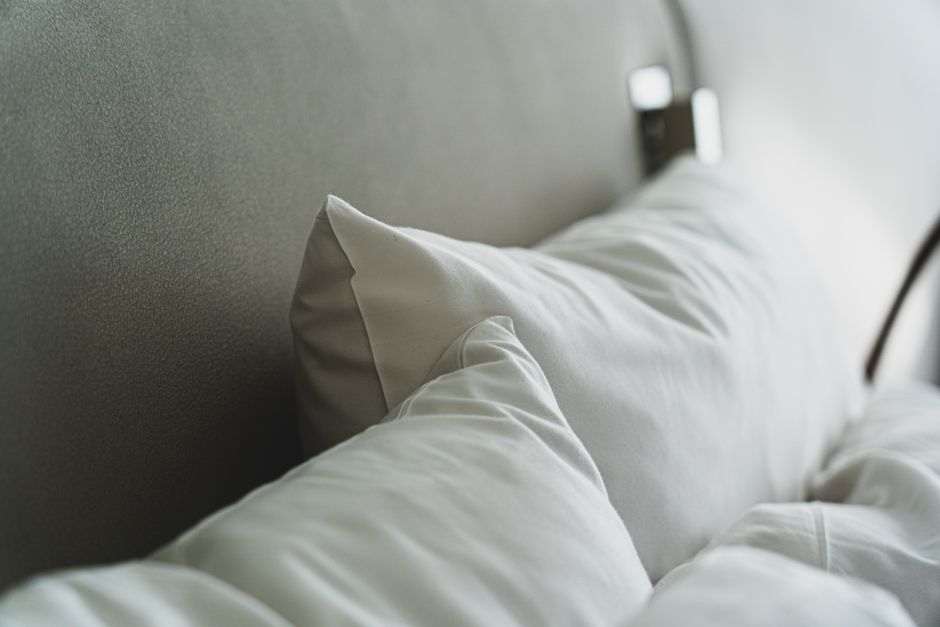
Hotel pillows feel different from most pillows at home. They are usually fluffy, supportive, and somehow always look perfect. The secret is not one magic pillow. Hotels use a combination of specific pillow types and a layering system that most people never replicate at home.
What Pillows Do Hotels Use?
Hotels primarily use two types of pillows: down pillows and down-alternative pillows. Most major hotel chains stock both in every room. The down pillows are soft and moldable. The down-alternative pillows are firmer and provide more support.
This combination is not accidental. It allows guests to choose their preference or stack both together. A stack of one firm and one soft pillow gives you the plush “hotel bed” feel. This is the core system behind nearly every major hotel brand.
Some hotels also use shredded memory foam pillows as a middle option. These offer more neck support than down but still feel softer than a solid block of memory foam. However, down and down-alternative remain the industry standard.
Why Do Hotels Choose Down Pillows?
Down is the soft undercoating of geese or ducks. It traps air and provides warmth without weight. A high-quality down pillow compresses easily and then springs back slowly. This creates the “sinking in” feeling guests associate with luxury.
Hotels prefer down because it is durable. A good down pillow can last five to ten years with proper care. Synthetic pillows break down faster and flatten within two to three years of daily use.
Down also regulates temperature better than synthetics. The natural clusters allow air to circulate. This keeps the pillow from trapping body heat overnight. Many guests report sleeping cooler on hotel pillows than on their pillows at home.
There is a trade-off. Down pillows lose their loft over time if not routinely fluffed. Hotel housekeeping staff fluff pillows daily between guests. This maintenance is part of why hotel pillows stay plump while home pillows go flat.
What Is a Down-Alternative Pillow?
Down-alternative pillows are made from synthetic fibers designed to mimic down. Common materials include polyester microfiber and hollow fibers. These pillows cost less than genuine down and are hypoallergenic.
Hotels use down-alternative pillows for practical reasons. They are washable at high temperatures. They dry faster than down. They also trigger fewer allergy complaints from guests.
Many hotels are moving toward down-alternative entirely. Major chains have shifted to all-synthetic pillow lines to reduce costs and simplify laundry operations. The feel is close to down but not identical. Down-alternative pillows are slightly denser and less airy.
If you are allergic to down or feathers, a down-alternative pillow is the safest choice. Genuine down pillows can trigger allergic reactions in sensitive people even when encased in tightly woven covers.





What Pillow Fill Power Do Hotels Use?
Fill power measures the fluffiness of down. It represents how many cubic inches one ounce of down occupies. Higher numbers mean fluffier, more insulating down.
Hotel-grade down typically falls between 550 and 700 fill power. Luxury hotels sometimes use 700 to 800 fill power down. This is noticeably softer and lighter than standard retail down pillows which often range from 400 to 550.
Fill power matters because it determines how much down is needed. A 700 fill power pillow can achieve the same loft as a 550 fill power pillow using less down. This makes the pillow lighter and more compressible.
You do not need the highest fill power for home use. A 600 to 650 fill power pillow offers the best balance of softness, support, and durability for most sleepers. Higher fill power pillows feel luxurious but require more frequent fluffing to maintain their shape.
How Do Hotels Layer Pillows on the Bed?
The hotel pillow setup follows a standard formula. The bed typically has four pillows. Two are soft down pillows and two are firmer down-alternative pillows.
The arrangement is specific. The firmer pillows sit against the headboard. The softer pillows sit in front facing the guest. When you sit up in bed to read or watch television, the firmer pillows support your back. When you lie down to sleep, you use the softer pillows.
Guests often stack one of each. The firm pillow on the bottom provides structure. The soft pillow on top molds to the head and neck. This combination delivers both support and plushness in a single stack.
This layering is why hotel beds look so inviting. The multiple pillows create visual depth. The varying firmness levels serve different purposes. Recreating this system at home requires buying both types of pillows and arranging them deliberately.
What Pillow Brands Do Hotels Actually Use?
Several brands supply pillows to the hospitality industry. These are not the same products you find in retail stores. Hotel supply lines are separate from consumer retail lines.
Some of the most recognized hotel pillow suppliers include:
- Pacific Coast Feather — supplies down pillows to many major hotel chains
- Downlite — a major hospitality bedding manufacturer
- United Feather & Down — produces pillows for both hotels and retail
- Hollander Sleep Products — supplies pillows to several hotel brands
These companies manufacture pillows to hotel specifications. A hotel orders pillows with a specific fill weight, fabric thread count, and size. The same brand may sell a similar pillow at retail, but it is rarely identical to the hotel version.
Some hotel chains sell their pillows directly to consumers. Marriott, Hilton, and Westin all offer their signature pillows for purchase online. These retail versions are made by the same manufacturers and are close to the actual hotel product.
What Is the Best Pillow for Side Sleepers?
Side sleepers need a firmer, thicker pillow than back or stomach sleepers. The pillow must fill the space between the shoulder and the ear to keep the spine aligned.
A soft down pillow alone is usually inadequate for side sleeping. The head sinks too deeply, causing the neck to bend sideways. This can lead to morning neck pain and stiffness.
The better option is a firmer down-alternative pillow or a shredded memory foam pillow. Both provide enough resistance to keep the head elevated properly. Some side sleepers stack a firm pillow with a thinner soft pillow on top for extra height.
Back sleepers generally do best with a medium-loft pillow. Stomach sleepers need the thinnest pillow available, often just a very soft down pillow or none at all. Matching pillow firmness to your sleep position matters more than matching the hotel brand.
How to Recreate the Hotel Pillow Feel at Home
Buying one expensive pillow will not recreate the hotel experience. The secret is the combination and the maintenance routine.
Start with two pillows per sleeper. Choose one firm down-alternative pillow and one soft down pillow. Arrange them with the firm pillow on the bottom and the soft pillow on top. This stack mimics the standard hotel sleeping arrangement.
Fluff your pillows every morning. Hotel housekeeping does this daily. Shake the pillow vigorously and pull the corners outward. This redistributes the filling and restores loft. Most people never do this at home, which is why their pillows flatten within months.
Replace pillows when they lose their shape. A pillow that no longer springs back after compression is done. For down pillows this is typically every three to five years. For down-alternative pillows, expect two to three years of use before replacement.
Wash your pillows every six months. Down pillows can be washed on a gentle cycle with mild detergent and dried on low heat with tennis balls to break up clumps. Down-alternative pillows are easier to care for and dry faster.
Are Hotel Pillows Sanitary?
Hotels follow strict laundering protocols between guests. Pillows are washed or sanitized according to state regulations. Most hotel pillows are encased in multiple protective layers that are replaced or cleaned between stays.
Concerns about bed bugs are common but often overstated. Bed bugs are a problem in some hotels, but they are not unique to hotels. They can be introduced anywhere through luggage, clothing, or secondhand furniture.
If you are concerned about cleanliness, inspect the pillow before use. Remove the pillowcase and check the pillow surface for stains, odors, or visible marks. Request a different pillow or room if you find anything concerning.
Bringing your own pillowcase is a simple precaution. A high-quality zippered pillow protector at home serves the same purpose. These barriers are washable and add minimal cost to your bedding setup.
Frequently Asked Questions
What kind of pillows do most hotels use?
Most hotels use a combination of down pillows and down-alternative pillows. This gives guests both a soft option and a firmer option in every room.
Why do hotel pillows feel so fluffy?
Hotel pillows are fluffed daily by housekeeping staff and are replaced frequently. High fill power down also maintains loft better than standard retail pillows.
Can I buy the same pillows hotels use?
Yes. Many major hotel chains sell their signature pillows online through their brand websites. The retail versions are made by the same manufacturers that supply the hotels.
What is the best hotel pillow for neck pain?
A firmer down-alternative pillow or shredded memory foam pillow provides more neck support than soft down. Side sleepers with neck pain generally need a thicker, firmer pillow to maintain spinal alignment.
