
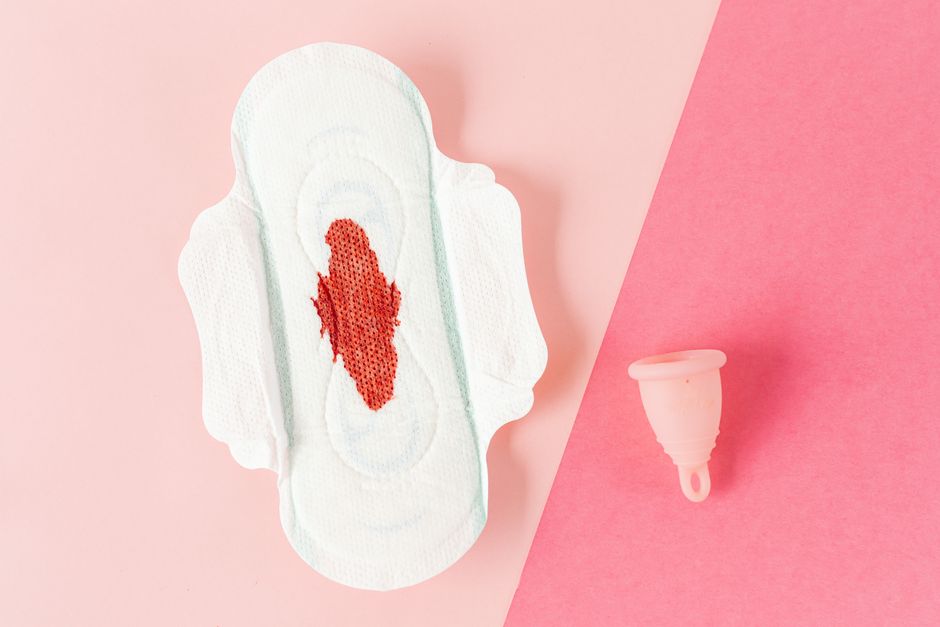
The follicular phase is the first phase of the menstrual cycle, and it begins on day one of your period. It ends when ovulation happens. So the phase that comes after the follicular phase is ovulation — the release of a mature egg from the ovary. After ovulation, the luteal phase begins and lasts until your next period starts.
That sounds simple. But the follicular phase and the days around ovulation are where most of the confusion lives. Many people assume the follicular phase is just “the period,” when in fact it stretches from the first day of bleeding all the way to ovulation. Understanding that timeline clears up a lot of questions about cycle length, fertility windows, and why cycles vary so much from person to person.
What Phase Is After Menstrual The Follicular Phase?
Ovulation is the phase that follows the follicular phase. It is the midpoint event of the cycle, not a long stretch of days like the other phases.
Here is the sequence in order:
- Menstruation — the shedding of the uterine lining, days 1 through roughly 5 of the cycle
- Follicular phase — starts on day 1, overlaps with your period, and continues until ovulation
- Ovulation — the release of an egg, usually around the middle of the cycle
- Luteal phase — the phase after ovulation, ending when the next period begins
A detail that trips people up: menstruation and the follicular phase start on the same day. Your period is not a separate phase that comes before the follicular phase. Bleeding is the visible part of the follicular phase, but the follicular phase keeps going for days or weeks after the bleeding stops.
Ovulation itself is brief. The egg is released and survives for roughly 12 to 24 hours. That short window is why timing matters so much for anyone trying to conceive or avoid pregnancy.
How Long Does the Follicular Phase Last?
The follicular phase is the most variable part of the menstrual cycle. It can last anywhere from about 7 days to 21 days or more, and that range is considered normal.
The luteal phase — the phase after ovulation — is far more consistent. It typically lasts around 14 days, though 12 to 14 days is a common range. This difference explains why cycle length varies so much between people. If your cycle is 28 days, your follicular phase was about 14 days. If your cycle is 35 days, your follicular phase was closer to 21 days. The luteal phase stayed roughly the same.
That is the non-obvious part. A long cycle usually means a long follicular phase, not a long luteal phase. The body is taking more time to select and mature a follicle before releasing the egg.
Factors that can lengthen or shorten the follicular phase include:
- Age — cycles often shorten in the years leading up to menopause, but they can also become irregular
- Stress — physical or emotional stress can delay ovulation
- Significant weight change, either loss or gain
- Conditions such as polycystic ovary syndrome (PCOS) or thyroid disorders
- Intense exercise without adequate calorie intake
Occasional variation is normal. A cycle that is consistently shorter than 21 days or longer than 35 days is worth discussing with a clinician, since it can point to an underlying issue.
What Happens During the Follicular Phase?
The follicular phase is a repair-and-prepare operation. While you are bleeding, the body is already building the next opportunity for pregnancy.
At the start of the cycle, levels of estrogen and progesterone are low. That drop is what triggers the uterine lining to shed. At the same time, the pituitary gland releases follicle-stimulating hormone (FSH). FSH signals a group of small sacs in the ovaries — called follicles, each containing an immature egg — to start growing.
Over the following days, one follicle usually becomes dominant while the others fade. That dominant follicle produces rising amounts of estrogen. Estrogen does two jobs: it thickens the uterine lining to prepare for a possible pregnancy, and it eventually triggers a surge of luteinizing hormone (LH).
That LH surge is what causes ovulation roughly 24 to 36 hours later. So the follicular phase does not just end randomly. It ends because rising estrogen sets off the hormonal signal that releases the egg.



How Do You Know When Ovulation Happens?
Ovulation is not always obvious. Some people feel a twinge of pain on one side of the lower abdomen, called mittelschmerz, but many feel nothing at all.
Signs that can indicate ovulation is near or happening include:
- Cervical mucus that becomes clear, slippery, and stretchy, similar to raw egg white
- A slight rise in basal body temperature — but this rise happens after ovulation, so it confirms ovulation rather than predicting it
- A positive result on an at-home urine test that detects the LH surge
- Mild one-sided pelvic discomfort
Basal body temperature is a useful but backward-looking tool. The temperature shift appears after ovulation has already occurred, so it helps you see the pattern over a few cycles rather than warning you in advance.
Urine LH tests are different. They detect the surge that precedes ovulation, which gives a short heads-up. Still, a positive test does not guarantee that ovulation will happen, and a negative test does not always mean it did not.
What Happens After Ovulation?
Once the egg is released, the cycle moves into the luteal phase. The ruptured follicle transforms into a structure called the corpus luteum, which produces progesterone.
Progesterone is the hormone that stabilizes and matures the uterine lining. Its job is to make the lining ready for a fertilized egg to implant. If pregnancy does not occur, the corpus luteum breaks down after roughly 14 days, progesterone falls, and the lining sheds. That shedding is your next period, and the cycle begins again.
If pregnancy does occur, the developing embryo produces a hormone that keeps the corpus luteum alive. Progesterone stays high, the lining is maintained, and menstruation does not happen.
This is why the luteal phase is so consistent in length. Its duration is set by the lifespan of the corpus luteum, which is fairly stable from cycle to cycle. The follicular phase, by contrast, depends on how long it takes for a follicle to mature — and that timeline shifts.
Does the Follicular Phase Affect Fertility Timing?
Yes, and in a way that surprises many people. The fertile window is not spread evenly across the cycle. It is concentrated in the days leading up to and including ovulation.
Sperm can survive in the reproductive tract for up to about 5 days. The egg survives for roughly 12 to 24 hours after release. That means the fertile window is generally the 5 days before ovulation plus the day of ovulation itself.
Because the follicular phase varies in length, the fertile window shifts too. Someone with a 28-day cycle may ovulate around day 14. Someone with a 35-day cycle may ovulate closer to day 21. Assuming ovulation always happens on day 14 is one of the most common mistakes people make when tracking fertility.
This also matters for anyone using fertility awareness methods to avoid pregnancy. Those methods depend on accurately identifying ovulation, and they require consistent tracking. They are not a reliable stand-alone approach for everyone, and effectiveness varies widely depending on how carefully the method is followed.
When Should You Talk to a Doctor About Your Cycle?
Cycle variation is normal, but some patterns deserve a medical conversation rather than a wait-and-see approach.
Consider talking to a clinician if you notice:
- Cycles consistently shorter than 21 days or longer than 35 days
- Periods that stop for several months without pregnancy
- Bleeding between periods or after sex
- Pain during your period that interferes with daily life
- Difficulty getting pregnant after a year of trying, or after 6 months if you are over 35
These signs can be linked to a range of causes, including thyroid problems, PCOS, uterine fibroids, or hormonal shifts around perimenopause. Naming a specific cause is not something you can do from symptoms alone — that requires evaluation by a clinician. What matters is that the pattern is worth checking rather than dismissing.
Tracking your cycle for a few months gives you useful information to bring to that appointment. Note the first day of each period, how long bleeding lasts, and any symptoms you notice around ovulation. That record helps a clinician see the pattern instead of guessing at it.
Frequently Asked Questions
What comes right after the follicular phase?
Ovulation comes right after the follicular phase. The follicular phase ends when a mature egg is released from the ovary, which starts ovulation and then the luteal phase.
Is the follicular phase the same as your period?
No. Your period happens during the early part of the follicular phase, but the follicular phase continues for days or weeks after bleeding stops, all the way until ovulation.
How many days after your period do you ovulate?
It varies. Ovulation typically happens around the middle of the cycle, but because the follicular phase differs in length, it can occur anywhere from about day 7 to day 21 or later in a normal cycle.
Can you get pregnant during the follicular phase?
Yes, pregnancy is possible in the days just before ovulation, which fall within the follicular phase. Sperm can survive for up to about 5 days, so sex before the egg is released can still lead to pregnancy.
