
ADHD rarely travels alone. Research consistently shows that most people with attention-deficit/hyperactivity disorder also meet criteria for at least one other mental health or developmental condition at some point in their lives. These are called comorbid conditions, and they matter because they shape how ADHD looks, how it is treated, and how well someone functions day to day.
The most common conditions associated with ADHD include anxiety disorders, depression, oppositional defiant disorder, learning disabilities, autism spectrum disorder, and sleep disorders. Substance use disorders and tic disorders also appear at higher rates than in the general population. Recognizing these overlaps is not about labeling people with more diagnoses. It is about making sure the full picture gets treated.
Why Does ADHD Overlap So Often With Other Conditions?
ADHD affects the brain’s executive function systems. These are the networks that manage attention, impulse control, emotional regulation, and planning. When those systems develop differently, the effects ripple across many areas of life, and that creates fertile ground for other conditions to emerge.
Genetics play a large role. Many of the same genes linked to ADHD are also linked to anxiety, depression, and autism. This shared genetic architecture means the conditions are not separate accidents happening to the same person. They often share underlying biology.
There is also a practical reality: living with ADHD can create conditions that look like or become other disorders. A child who cannot follow instructions may get punished repeatedly and develop oppositional behavior. An adult who keeps missing deadlines may develop chronic anxiety. The relationship runs in both directions.
One clarification worth making: overlap does not mean one condition caused the other. In most cases, researchers view them as co-occurring, each with its own contributing factors, even when symptoms feed into each other.
What Other Disorders Are Associated With ADHD?
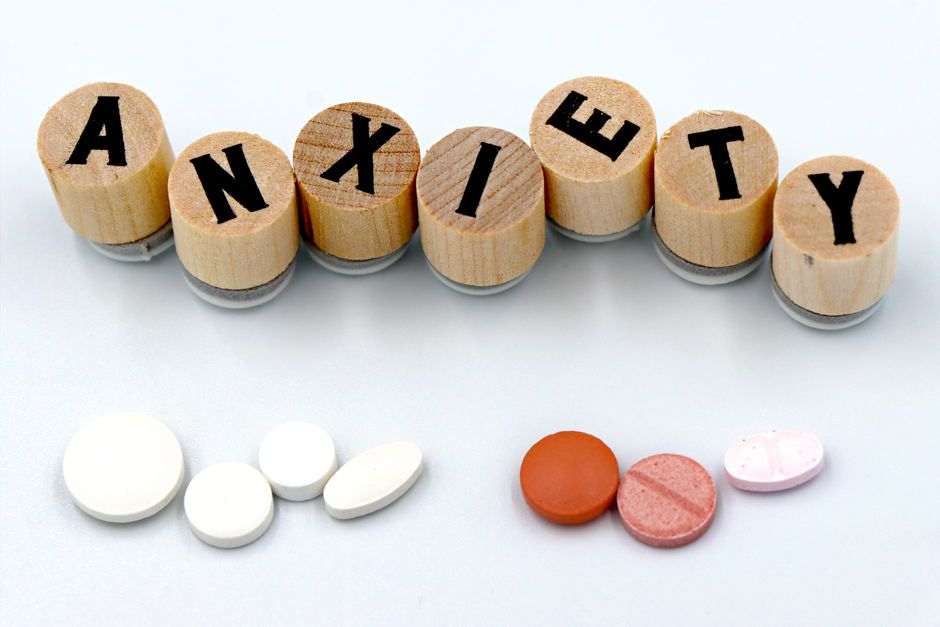
Anxiety disorders are the most common companions. Studies have found that a substantial share of children and adults with ADHD also meet criteria for an anxiety disorder. Symptoms can overlap in ways that make diagnosis tricky. Restlessness can come from anxiety or from ADHD. Trouble concentrating can come from either.
Depression is also common, particularly in adults. The rate of major depressive disorder is higher among people with ADHD than in the general population. Chronic underachievement, social rejection, and years of feeling “different” can contribute. But depression in ADHD is not simply a reaction to hardship. Shared brain chemistry and genetics appear to play a role too.
Oppositional defiant disorder (ODD) is diagnosed more often in children with ADHD. It involves a persistent pattern of anger, arguing, and defiance toward authority figures. Some clinicians view ODD as a downstream effect of ADHD-related frustration and impulsivity rather than a fully separate condition.
Learning disabilities are another frequent companion. Dyslexia, dyscalculia, and written expression disorders appear at higher rates in children with ADHD. These are separate from ADHD itself. A child can have average or above-average intelligence and still struggle with reading or math because of a specific learning disability.
Autism spectrum disorder and ADHD frequently co-occur. For years, the two could not be diagnosed together. That changed in 2013 when the diagnostic manual allowed dual diagnosis. Research since then has confirmed what many families already knew: the two conditions overlap substantially in social difficulty, attention problems, and sensory sensitivity.
Sleep disorders round out the most common group. Many people with ADHD have trouble falling asleep, staying asleep, or waking up. Some of this relates to ADHD itself. Some relates to delayed circadian rhythm, which is common in ADHD. Sleep problems can also worsen ADHD symptoms, creating a feedback loop.
How Do Anxiety and Depression Show Up Differently in ADHD?
Anxiety in ADHD often looks like physical restlessness rather than worry. A person may feel keyed up, irritable, or unable to relax without being able to name what they are anxious about. This can lead to missed diagnoses because the anxiety hides behind the ADHD label.
Depression in ADHD can look like increased distractibility, low motivation, or a sense of hopelessness about ever getting organized. In some cases, what looks like worsening ADHD is actually depression layered on top. That distinction matters because the treatment approaches differ.
There is a diagnostic challenge here. ADHD is a lifelong pattern that starts in childhood. Depression and anxiety typically have a clearer onset and may come and go. Clinicians look at the timeline to sort out which symptoms belong to which condition.



Are Learning Disabilities Part of ADHD or Separate?
They are separate. ADHD affects attention and self-regulation. Learning disabilities affect how the brain processes specific types of information, such as sounds, numbers, or written language. A child can have one, the other, or both.
When both are present, the learning disability can be harder to spot. The ADHD symptoms may dominate the picture, and the reading or math struggles get attributed to inattention. Formal testing is often needed to identify a learning disability when ADHD is already diagnosed.
This is one area where assessment matters. Treating ADHD alone will not resolve a learning disability. Educational support and specific instruction are needed for the learning disability itself.
What About Substance Use and Other Conditions?
Substance use disorders occur at higher rates among people with ADHD than in the general population. The reasons are not fully understood, but impulsivity, difficulty with self-regulation, and self-medication of untreated symptoms are all thought to contribute. Early treatment of ADHD may reduce this risk, though the evidence on that point is not definitive.
Tic disorders, including Tourette syndrome, appear more often in people with ADHD. Tics are sudden, repetitive movements or sounds. The overlap is well documented, and the two conditions likely share some neurological underpinnings.
Bipolar disorder also appears at elevated rates, particularly in adults. Distinguishing between ADHD and bipolar disorder can be difficult because both involve impulsivity, rapid speech, and difficulty concentrating. The key difference is that bipolar disorder involves distinct episodes of elevated mood and energy, while ADHD is a persistent pattern.
Other conditions with documented associations include:
- Conduct disorder, which involves more serious rule-breaking and aggression than ODD
- Obsessive-compulsive disorder, though the relationship is less clear than with anxiety
- Post-traumatic stress disorder, particularly in people with histories of trauma
- Personality disorders, especially borderline personality disorder, in adults
These associations do not mean one condition causes another. They mean that when a clinician evaluates someone for ADHD, they should also screen for these other conditions.
Why Does Getting the Full Picture Matter?
Treating ADHD alone when other conditions are present often leads to incomplete improvement. A person may find their focus improves with stimulant medication but still feel anxious or depressed. Or the anxiety may be so severe that it interferes with the ability to benefit from ADHD treatment at all.
Some conditions also affect treatment choices. Stimulant medications, which are first-line for ADHD, can worsen anxiety or trigger manic episodes in people with bipolar disorder. Knowing the full diagnostic picture helps clinicians choose approaches that address everything safely.
The reverse is also true. Treating anxiety or depression without recognizing ADHD can leave the underlying attention problems unaddressed. The person may feel less anxious but still struggle with organization, follow-through, and impulsivity.
Comprehensive assessment is not about finding more labels. It is about understanding what is actually going on so that treatment can target the right things.
Frequently Asked Questions
What percentage of people with ADHD have another disorder?
Research consistently shows that a majority of people with ADHD meet criteria for at least one other condition at some point. The exact percentage varies by study and population, but the overlap is the rule rather than the exception.
Can ADHD be mistaken for anxiety or depression?
Yes, symptoms can overlap significantly. Restlessness, poor concentration, and sleep problems appear in all three conditions, so careful evaluation of when symptoms started and how they pattern over time is needed.
Does treating ADHD help with comorbid conditions?
Sometimes. Treating ADHD can reduce secondary anxiety or depression that stems from ADHD-related struggles, but it does not directly treat separate conditions. Each diagnosis usually needs its own approach.
Should children with ADHD be screened for learning disabilities?
Yes. Learning disabilities occur at higher rates in children with ADHD, and they can be masked by ADHD symptoms. Formal educational testing is often recommended when academic struggles persist despite ADHD treatment.
