
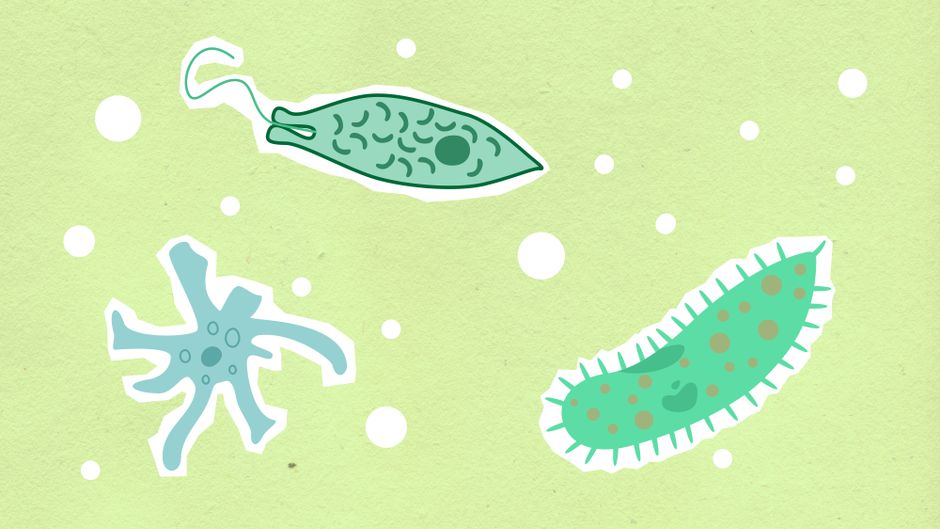
Flagella are tail-like structures that help many organisms move. You find them in bacteria, some algae, protozoa, and even in human sperm cells. These tiny propellers allow single-celled organisms to swim toward food or away from danger. Some cells in multicellular organisms also use flagella for movement or to move fluids around them.
What Organisms Have Flagella Bacteria Algae And More?
The short answer covers a wide range of life forms. Bacteria use flagella to swim through liquids. Many types of algae, including green algae and diatoms, have flagella at some stage of their life cycle. Protozoa such as Euglena and Paramecium rely on flagella or similar structures called cilia to move. Archaea, a separate domain of single-celled organisms, also have flagella—though their flagella are built differently from bacterial ones. Among animals, the only cells that typically have flagella are sperm cells. In humans and other mammals, each sperm cell has a single long flagellum that propels it toward an egg.
How Do Bacterial Flagella Work?
Bacterial flagella are like corkscrew propellers. A motor at the base spins the flagellum, pushing the bacterium forward. The motor gets energy from the flow of ions across the cell membrane—usually protons. This is a very efficient system. Bacteria can spin their flagella at thousands of revolutions per minute. They can also change direction by reversing the spin, which causes the flagella to bundle differently and the cell to tumble. This lets bacteria sense chemical signals and move toward nutrients or away from toxins, a process called chemotaxis.
Some bacteria have a single flagellum at one end (monotrichous), a tuft at one end (lophotrichous), or flagella all over the surface (peritrichous). For example, E. coli has multiple flagella spread around its body. The structure of a bacterial flagellum is distinct from flagella in other organisms. The filament is made of a protein called flagellin, not the microtubule arrangement seen in eukaryotes. This difference matters because it means human immune systems can recognize flagellin as foreign—a key trigger for inflammation.
What About Eukaryotic Flagella?
Eukaryotes—organisms whose cells have a nucleus—include algae, protozoa, fungi, plants, and animals. Their flagella are structurally very different from bacterial ones. A eukaryotic flagellum has a core of microtubules arranged in a “9+2” pattern: nine pairs of microtubules around the outside and two single microtubules in the center. This pattern is the same as the structure of cilia in human airways. A protein called dynein uses energy from ATP to slide the microtubule pairs against each other, causing the flagellum to bend in a wave-like motion.
This whipping motion is slower but more powerful than the bacterial corkscrew. It allows larger single-celled eukaryotes like Chlamydomonas (a type of green algae) to move effectively through water. Some eukaryotic cells, such as those in the lining of the fallopian tubes, have cilia that beat in coordination to move an egg toward the uterus. These are essentially short, numerous flagella doing a similar job.




Do Human Cells Have Flagella?
Yes, but only one type of human cell has a true flagellum: the sperm cell. The sperm flagellum is a classic eukaryotic flagellum with the 9+2 microtubule structure. It beats in a rhythmic, whip-like motion to swim through the female reproductive tract. Problems with sperm flagella can cause infertility. For example, a condition called primary ciliary dyskinesia affects both cilia and flagella, leading to respiratory issues and male infertility.
Other human cells have structures called primary cilia, which are immotile and act like sensors. These are not flagella—they do not move the cell. But they share some molecular parts with flagella. Defects in primary cilia can lead to diseases like polycystic kidney disease. So while only sperm cells swim with flagella, the basic building blocks are used in many cell types for sensing.
Why Do Some Single-Celled Organisms Need Flagella?
For many single-celled organisms, flagella are essential for survival. They allow the cell to find food in a watery environment. For example, many protozoa that live in ponds or inside animal intestines use flagella to reach areas with more bacteria to eat. Some algae use flagella to position themselves in the water column where sunlight is best for photosynthesis. Pathogenic bacteria use flagella to invade host tissues. Helicobacter pylori, which causes stomach ulcers, uses its flagella to burrow through the mucus layer of the stomach lining. Salmonella and Vibrio cholerae also rely on flagellar motility to infect humans.
Flagella can also help organisms group together. Some bacteria form biofilms—dense communities attached to surfaces—and flagella help cells arrive and attach. Once the biofilm is established, bacteria often stop making flagella. This switching between motile and stationary states is a key survival strategy.
What Is the Medical Importance of Flagella?
Flagella matter for human health in several ways. First, they enable many disease-causing bacteria to infect us. Without flagella, these bacteria would have a much harder time reaching the tissues they attack. Some researchers are studying drugs that block the bacterial flagellar motor as a potential new class of antibiotics. Targeting flagella could stop bacteria from moving without killing them directly, which might reduce selective pressure for resistance.
Second, the immune system can detect flagellin from bacterial flagella. Toll-like receptor 5 (TLR5) on human cells recognizes flagellin and triggers an inflammatory response. This is part of how the body knows a bacterial infection is happening. However, some bacteria can change their flagellin structure to avoid detection, a form of immune evasion.
Third, problems with human flagella (sperm) directly affect fertility. Men unable to make functional sperm flagella are sterile because the sperm cannot swim. In some cases, this is due to genetic mutations in the dynein protein that powers the flagellum. This same dynein defect also affects cilia in the respiratory tract, causing chronic infections and lung damage—a condition known as primary ciliary dyskinesia or Kartagener’s syndrome.
Frequently Asked Questions
Can plants have flagella?
No, mature plants do not have flagella. However, some plant sperm cells (such as those in mosses and ferns) swim using flagella, but flowering plants and conifers have non-motile sperm.
Are flagella and cilia the same thing?
They share the same basic structure (9+2 microtubule arrangement in eukaryotes), but cilia are usually shorter and more numerous, while flagella are longer and typically only one or a few per cell.
Do viruses have flagella?
No, viruses are not cells and do not have flagella. They rely on other mechanisms to spread, such as being carried by fluids or attaching to hosts.
What is the difference between bacterial and eukaryotic flagella?
Bacterial flagella are made of flagellin protein, rotate like a propeller, and are driven by a motor using proton flow. Eukaryotic flagella have microtubules, bend in a wave motion, and use ATP for energy.
