
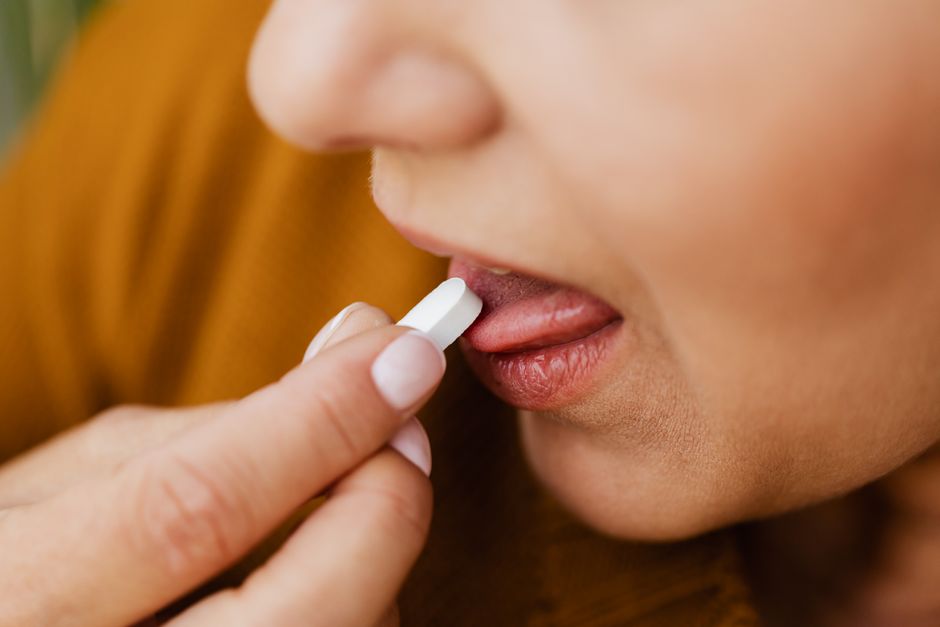
Amoxicillin-clavulanate, often called Augmentin, is a common antibiotic. Taking it with the wrong things can make it less effective or cause serious side effects. The most important things to avoid are methotrexate, warfarin, allopurinol, and high-dose vitamin K supplements. You also need to be careful with birth control pills and alcohol.
Can You Drink Alcohol While Taking Amox-Clav?
The short answer is yes, but with a strong caution. Unlike metronidazole or tinidazole, amoxicillin-clavulanate does not cause a violent reaction with alcohol. The medical literature does not show a direct interaction that makes the antibiotic fail.
However, drinking alcohol can make side effects worse. Both alcohol and amoxicillin-clavulanate can cause nausea, stomach upset, and dizziness. Combining them increases the chance of these symptoms. More importantly, heavy drinking can weaken your immune system. Your body needs its full defenses to fight the infection while the antibiotic works. The CDC advises avoiding alcohol during any antibiotic course to give your body the best chance to heal.
Does Amox-Clav Interfere With Birth Control?
Yes, it can. Research published in the British Medical Journal has found that amoxicillin-clavulanate may reduce the effectiveness of hormonal birth control. This includes the pill, patch, ring, and implant.
The antibiotic changes the bacteria in your gut. These bacteria help recycle estrogen from your digestive system back into your blood. When the antibiotics kill these bacteria, less estrogen circulates in your body. This can be enough to allow ovulation in some women. The CDC recommends using a backup method like condoms while taking this antibiotic and for seven days after finishing the course.
What Prescription Drugs Should Not Be Taken With Amox-Clav?
Several prescription medications have well-documented interactions with amoxicillin-clavulanate. These are the ones you need to discuss with your doctor or pharmacist before starting treatment.
Methotrexate is the most serious interaction. Amoxicillin-clavulanate can significantly reduce how quickly your kidneys clear methotrexate from your body. This can lead to methotrexate toxicity, which can damage the liver and bone marrow. If you take methotrexate for rheumatoid arthritis or cancer, your doctor may need to monitor your blood levels closely.
Warfarin (Coumadin) is another critical interaction. The antibiotic changes the bacteria in your gut that produce vitamin K. Vitamin K is essential for blood clotting. When these bacteria are disrupted, warfarin can become more potent, increasing your risk of dangerous bleeding. The FDA has received reports of serious bleeding events in patients taking both drugs. Your INR should be checked more frequently if you take warfarin with amoxicillin-clavulanate.
Allopurinol, used for gout, increases the risk of a skin rash when taken with amoxicillin-clavulanate. While most rashes are mild, the combination makes it harder to tell if the rash is a sign of a serious allergic reaction.





Are There Supplements or Foods to Avoid With Amox-Clav?
Yes, certain supplements and foods can interfere with how well the antibiotic works. Timing and dosage matter more than complete avoidance in most cases.
| Substance | Interaction | What to Do |
|---|---|---|
| High-dose vitamin K supplements | Can reduce warfarin’s effect if taken together | Take vitamin K at a different time of day, or avoid during treatment |
| Iron supplements | Can bind to the antibiotic in the gut, reducing absorption | Take iron 2 hours before or 4 hours after amox-clav |
| Zinc supplements | Similar binding issue as iron | Same timing separation as iron |
| Calcium-fortified foods or dairy | May slightly reduce absorption, though less than with tetracyclines | Take antibiotic 1 hour before or 2 hours after dairy |
| Grapefruit juice | Minimal interaction with amox-clav itself, but can affect how the body processes other drugs | Safe in moderation unless you take other interacting medications |
Probiotics are actually recommended, not avoided. Taking them a few hours apart from the antibiotic can help prevent the diarrhea that amoxicillin-clavulanate commonly causes. The American Gastroenterological Association supports this practice.
Does Amox-Clav Interact With Common OTC Medications?
Yes, some over-the-counter drugs can cause problems. Ibuprofen, naproxen, and other NSAIDs are generally safe to take with amoxicillin-clavulanate for fever or pain. However, be cautious if you have kidney problems or are taking warfarin. NSAIDs can increase the risk of kidney damage when combined with certain antibiotics, though the risk with amox-clav is lower than with some others.
Antacids that contain aluminum, magnesium, or calcium can reduce antibiotic absorption. This is a bigger concern with tetracyclines and fluoroquinolones, but it is still worth separating them by at least two hours. The same applies to bismuth subsalicylate (Pepto-Bismol).
Laxatives, especially stimulant types, can worsen the diarrhea that amoxicillin-clavulanate often causes. If you are constipated during treatment, try increasing water and fiber first before reaching for a laxative.
What Not To Take With Amox-Clav If You Have Allergies?
If you have a known allergy to penicillin or cephalosporins, you should not take amoxicillin-clavulanate at all. This is not an interaction—it is a contraindication. About 10 percent of people with a penicillin allergy also react to cephalosporins, and the reverse is also possible.
A less obvious issue is the combination of amoxicillin-clavulanate with certain allergy medications. Antihistamines like diphenhydramine (Benadryl) are fine to take. But some decongestants can raise blood pressure, and if you are already having side effects from the antibiotic like dizziness or rapid heartbeat, the combination can feel worse.
There is also a well-known interaction between amoxicillin-clavulanate and the gout medication allopurinol, as mentioned earlier. The rash from this combination can look very similar to an allergic reaction. If you develop a rash while taking both drugs, your doctor needs to determine whether it is the interaction or a true allergy. This distinction matters because a true penicillin allergy affects your antibiotic options for life.
Frequently Asked Questions
Can I take Tylenol with amoxicillin-clavulanate?
Yes, acetaminophen (Tylenol) is safe to take with amoxicillin-clavulanate for pain or fever. There is no known interaction between these two drugs.
Is it safe to take probiotics while on amox-clav?
Yes, probiotics are safe and often recommended to prevent antibiotic-associated diarrhea. Take them at least two hours apart from the antibiotic.
Can I take amox-clav with blood pressure medication?
Most blood pressure medications are safe with amoxicillin-clavulanate. However, if you take a diuretic or ACE inhibitor, your doctor may check your kidney function since both can affect the kidneys.
Does amox-clav interact with antidepressants?
Some antidepressants, particularly SSRIs and MAOIs, have no major interaction with amoxicillin-clavulanate. But always check with your pharmacist because some antidepressants affect how the liver processes other drugs.
