
If you are watching your cholesterol, you do not have to give up meat. The key is choosing lean cuts and preparing them without added saturated fat. Poultry without the skin, and most fish, are the lowest-cholesterol meat options. Among red meats, the leanest cuts of beef and pork can still fit into a cholesterol-conscious diet when eaten in moderate portions.
How Much Cholesterol Is Actually in Meat?
Cholesterol in food is only part of the story. For most people, the bigger driver of blood cholesterol is saturated fat. Your liver makes about 80% of the cholesterol in your body. The food you eat supplies the rest.
That said, meat does contain dietary cholesterol. A 3-ounce serving of cooked meat typically has between 60 and 90 milligrams of cholesterol. The American Heart Association recommends limiting dietary cholesterol to about 300 milligrams per day for most people. If you have heart disease or high LDL cholesterol, the recommendation is often lower — around 200 milligrams.
The practical takeaway: one serving of lean meat per day fits easily within these limits. The problem is not the meat itself. It is the fatty cuts, the skin, and the cooking methods.
What Meats Are Low In Cholesterol Ranked
Here is the ranking based on average cholesterol content per 3-ounce cooked serving. These numbers come from USDA food composition data.
| Meat (3 oz cooked) | Cholesterol (mg) | Saturated Fat (g) |
|---|---|---|
| Turkey breast (skinless) | ~60 | ~0.3 |
| Chicken breast (skinless) | ~70 | ~0.9 |
| Pork tenderloin | ~65 | ~1.2 |
| Lean beef sirloin | ~65 | ~2.0 |
| Pork loin chop (lean) | ~70 | ~2.3 |
| Ground turkey (93% lean) | ~75 | ~2.5 |
| Ground beef (95% lean) | ~70 | ~2.8 |
| Lamb leg (lean) | ~75 | ~2.9 |
| Beef ribeye (trimmed) | ~70 | ~4.5 |
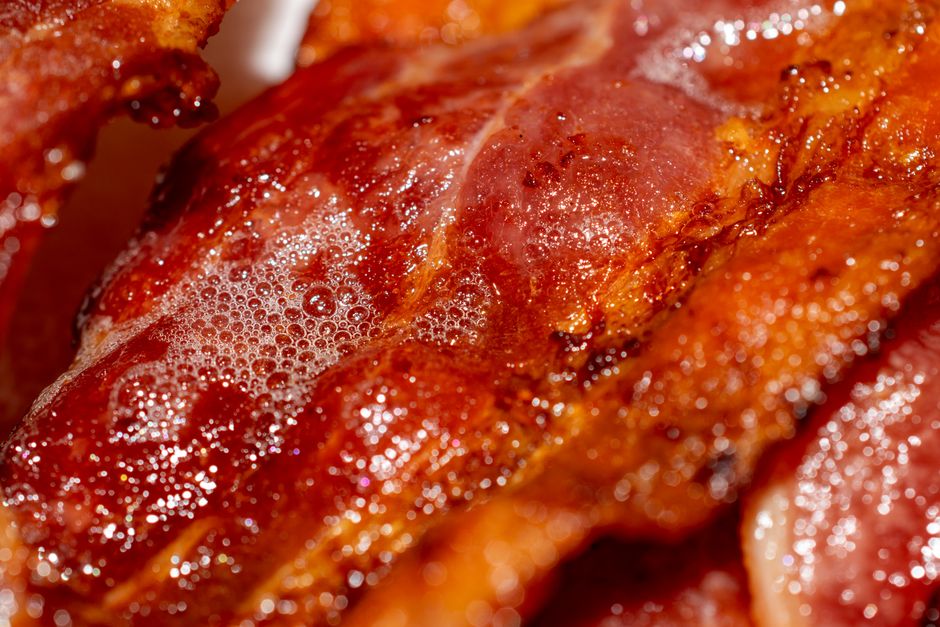
| Bacon (cooked, drained) | ~30 per 2 slices | ~3.3 |
Notice something important. Bacon has less cholesterol per serving than chicken breast. But bacon is high in saturated fat and sodium. This is why saturated fat matters more than cholesterol numbers alone.
Why Poultry Without Skin Leads the List
Skinless poultry is the lowest-cholesterol meat you can buy. Chicken and turkey breast are naturally lean. The skin is where most of the fat lives. Remove it and you remove most of the saturated fat.
Dark meat — thighs and drumsticks — has slightly more fat and cholesterol than white meat. It is still a reasonable choice. The difference is small. A 3-ounce serving of skinless chicken thigh has about 80 milligrams of cholesterol. That is still within a heart-healthy range.
One distinction worth making: ground poultry is not automatically lean. Ground turkey can be made from dark meat and skin. Check the label. Look for 93% lean or higher. The percentage tells you the fat content by weight.




Fish and Shellfish: The Exception to the Rule
Fish deserve special mention. Some fish are higher in cholesterol than chicken. Shrimp, for example, has about 180 milligrams of cholesterol per 3-ounce serving. That is more than twice the cholesterol in chicken breast.
But shrimp is very low in saturated fat — less than 0.3 grams per serving. Research consistently shows that dietary cholesterol from shrimp has minimal impact on blood cholesterol for most people. The saturated fat content matters more.
Fatty fish like salmon, mackerel, and sardines are rich in omega-3 fatty acids. These fats can help lower triglycerides and support heart health. The American Heart Association recommends eating fish at least twice a week, especially fatty fish.
How to Choose the Best Cuts of Red Meat
Red meat can be part of a cholesterol-conscious diet. The key is choosing the right cut and the right amount.
Look for cuts with the word “loin” or “round” in the name. Sirloin, tenderloin, top round, and eye of round are the leanest cuts. Avoid cuts with heavy marbling — the white streaks of fat running through the meat. Ribeye, T-bone, and porterhouse are higher in saturated fat.
Trim visible fat before cooking. This can reduce saturated fat by about a third. Choose “choice” or “select” grades over “prime.” Prime beef has more marbling and therefore more saturated fat.
Portion size matters as much as cut. A serving of meat is 3 ounces — about the size of a deck of cards. Many restaurant portions are two to three times that size. If you eat a 9-ounce steak, you are getting three servings of meat in one meal.
Preparation Methods Change the Picture
How you cook meat can add fat and cholesterol that were not there before. Frying in butter or lard adds saturated fat. Breading adds carbohydrates and absorbs oil. Pan-frying in generous oil does the same.
Grilling, baking, roasting, and broiling are the best methods. They do not require added fat. Use a rack when roasting so the fat drips away. If you marinate, choose oil-based marinades sparingly. A simple rub of herbs and spices adds flavor without fat.
One practical tip: let meat rest after cooking. This allows juices to redistribute. It does not change the cholesterol content, but it improves texture and flavor, which makes smaller portions more satisfying.
Processed Meats: A Different Category
Processed meats — bacon, sausage, hot dogs, deli meats — deserve separate consideration. Their cholesterol content varies widely. But they share other problems: high sodium, preservatives, and often high saturated fat.
Research has linked regular consumption of processed meats to higher rates of heart disease and colorectal cancer. The World Health Organization classifies processed meat as a Group 1 carcinogen, meaning there is strong evidence it causes cancer. This does not mean eating it occasionally is dangerous. It means frequent consumption is a genuine health risk.
If you eat processed meats, treat them as an occasional food, not a staple. Choose lower-sodium versions when available. Turkey and chicken deli meats are usually lower in saturated fat than their beef or pork counterparts, but check the sodium content.
What About Organ Meats?
Organ meats are a separate case entirely. Liver is extremely high in cholesterol. A 3-ounce serving of beef liver contains about 330 milligrams of cholesterol — more than the entire daily limit for most people. It is also rich in iron, vitamin A, and B vitamins.
For people with normal cholesterol levels, eating liver occasionally is not harmful. But if you have high cholesterol or heart disease, organ meats should be avoided or limited to very small amounts. Heart and kidney are lower in cholesterol than liver but still higher than muscle meats.
Putting It All Together
The ranking is simple. Skinless poultry and most fish are your lowest-cholesterol choices. Lean cuts of pork and beef come next. Fatty cuts and processed meats are the ones to limit.
Your overall diet matters more than any single food. A 3-ounce serving of lean meat fits into a heart-healthy eating pattern. Pair it with vegetables, whole grains, and legumes. Limit saturated fat from all sources — not just meat, but also butter, cheese, and fried foods.
If you have high cholesterol or heart disease, talk to your doctor or a registered dietitian. They can give you personalized guidance based on your specific health profile. For most people, the answer is not cutting out meat entirely. It is choosing smarter and eating moderate portions.
Frequently Asked Questions
Is chicken or turkey lower in cholesterol?
Turkey breast is slightly lower, with about 60 milligrams per 3-ounce serving compared to about 70 for chicken breast. Both are excellent low-cholesterol choices when eaten without the skin.
Can I eat red meat if I have high cholesterol?
Yes, but choose lean cuts like sirloin or tenderloin, trim visible fat, and limit portions to 3 ounces. The saturated fat in red meat raises blood cholesterol more than the dietary cholesterol it contains.
Is shrimp bad for cholesterol?
Shrimp is high in dietary cholesterol but very low in saturated fat, so it has minimal impact on blood cholesterol for most people. The main concern is how it is prepared — avoid frying it in butter or oil.
What is the healthiest meat to eat daily?
Skinless chicken or turkey breast is the healthiest meat for daily consumption due to its low saturated fat and cholesterol content. Fatty fish like salmon is also excellent when eaten a few times per week.
