
Itching is one of the most common reasons people see a doctor. The sensation itself is a signal from your nervous system that something needs attention. Most of the time, the cause is dry skin or a temporary reaction to an irritant. But chronic itching can point to a deeper issue, from an allergic response to a systemic condition like kidney or liver disease.
What Makes Your Skin Itch Causes And Triggers? The Reason
The reason your skin itches is that nerve endings in the skin send a signal to the brain. This signal is triggered by a chemical called histamine, which the body releases in response to an irritant. The brain then registers that signal as an itch, prompting you to scratch.
Scratching provides temporary relief because it creates a mild pain signal that overrides the itch signal. But scratching can damage the skin, which releases more inflammatory chemicals. That creates a cycle: the more you scratch, the more it itches.
What Are the Most Common Causes of Itchy Skin?
Dry skin, medically known as xerosis, is the most frequent cause of itching. When the skin loses moisture, its outer barrier becomes compromised. This allows irritants to penetrate more easily and triggers nerve endings closer to the surface.
Environmental factors drive dry skin. Low humidity in winter, hot showers, and harsh soaps strip natural oils from the skin. Older adults are particularly prone because skin produces less oil with age.
Allergic reactions are another common cause. Contact dermatitis occurs when skin touches something it reacts to, like nickel, poison ivy, or certain fragrances. Hives, also called urticaria, are raised, itchy welts that appear when the body releases histamine in response to an allergen or stress.
What Skin Conditions Cause Persistent Itching?
Eczema, also called atopic dermatitis, is a chronic inflammatory skin condition. It causes dry, red, intensely itchy patches, often on the elbows, knees, and face. The itching from eczema can be severe enough to disrupt sleep.
Psoriasis is an autoimmune condition that speeds up skin cell turnover. It produces thick, scaly patches that can itch, though not everyone with psoriasis experiences itching. The scale buildup itself can irritate the skin beneath.
Fungal infections like ringworm or athlete’s foot cause itching because the fungus feeds on keratin in the skin. The inflammation from the infection irritates nerve endings. These infections are treatable with antifungal medications.





When Itching Is a Sign of an Internal Condition
Sometimes the skin looks perfectly normal but still itches intensely. This is called pruritus of unknown origin, and it can signal an internal medical condition.
Liver disease, particularly conditions that cause bile buildup, can cause widespread itching. The exact mechanism is not fully understood, but bile acids accumulating in the skin are believed to play a role. Kidney disease also causes itching, especially in advanced stages when waste products accumulate in the blood.
Thyroid disorders, both overactive and underactive, can cause itching. Iron deficiency anemia and certain blood disorders like polycythemia vera are also linked to itching. If your skin itches without any visible rash, and it lasts more than two weeks, a medical evaluation is warranted.
What Role Do Nerves and the Brain Play in Itching?
Itching is a neurological process, not just a skin problem. Specialized nerve fibers called C-fibers transmit itch signals from the skin to the spinal cord and then to the brain. These are the same fibers that transmit pain, but they respond to different chemical signals.
Some conditions cause itching through nerve damage rather than skin irritation. Shingles, caused by the reactivation of the chickenpox virus, produces a painful, itchy rash along a nerve pathway. Even after the rash clears, some people experience postherpetic itch, a form of nerve-related itching that can last for months.
Other neurological conditions, including multiple sclerosis and diabetes-related nerve damage, can cause itching without any visible skin changes. This type of itching often does not respond to antihistamines because histamine is not the trigger.
How Do Medications and Treatments Cause Itching?
Many medications list itching as a side effect. Opioids, certain antibiotics, and blood pressure medications can trigger histamine release. Some medications cause itching as an allergic reaction, while others cause it through direct effects on the nervous system.
Cancer treatments, particularly chemotherapy and radiation therapy, frequently cause itching. Chemotherapy can dry the skin and damage nerve endings. Radiation therapy often causes localized itching in the treated area as the skin heals.
If you suspect a medication is causing your itching, do not stop taking it on your own. Talk to your prescribing doctor. They can determine whether the itching is a side effect or a sign of a more serious reaction.
What Are the Best Ways to Relieve Itching?
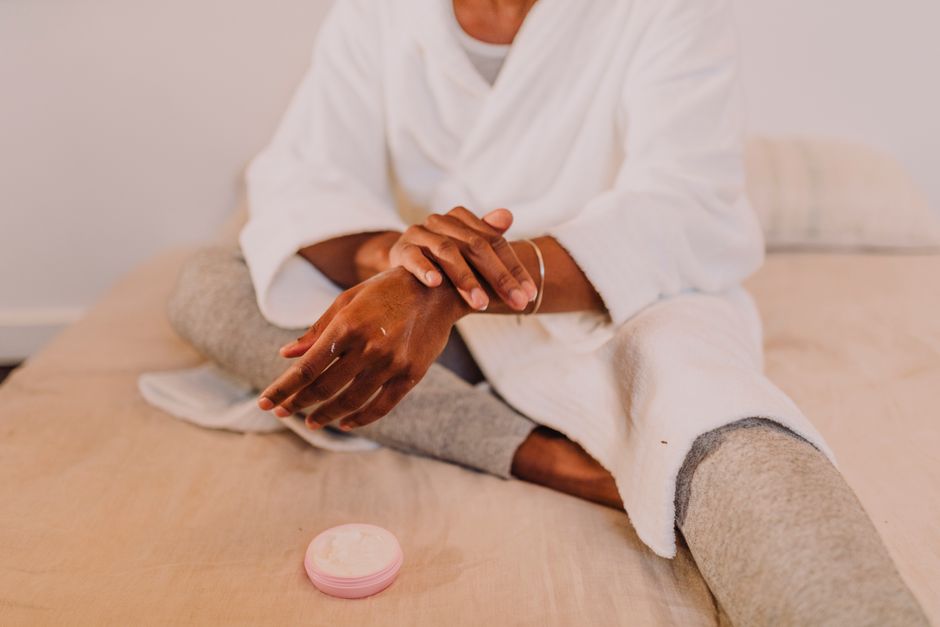
For mild itching from dry skin, moisturizing is the first line of defense. Use a thick, fragrance-free moisturizer immediately after bathing while the skin is still damp. This traps moisture in the skin and helps repair the skin barrier.
Cool compresses can provide quick relief by numbing the nerve endings. Applying a cold, damp cloth to the itchy area for 10 to 15 minutes can break the itch-scratch cycle. Avoid hot water, which strips oils and can worsen itching.
Over-the-counter hydrocortisone cream can reduce inflammation from eczema and insect bites. Oral antihistamines like diphenhydramine or cetirizine help when histamine is the cause. But antihistamines do not help with itching from dry skin, nerve damage, or liver disease.
Some research suggests that menthol-based creams can relieve itching by activating cool-sensitive nerve receptors. Capsaicin cream, derived from chili peppers, can help with nerve-related itching but can cause a burning sensation initially. No large clinical trials have confirmed capsaicin as a first-line treatment for all types of itching.
When Should You See a Doctor for Itchy Skin?
See a doctor if itching lasts more than two weeks without improvement. Also seek medical attention if the itching is severe enough to disrupt sleep, covers most of your body, or comes with other symptoms like weight loss, fatigue, or fever.
Seek emergency care if itching is accompanied by swelling of the face or lips, difficulty breathing, or a rapid-spreading rash. These can be signs of anaphylaxis, a severe allergic reaction that requires immediate treatment.
If your skin itches but looks completely normal, do not assume it is nothing. Internal conditions can cause itching long before other symptoms appear. A simple blood test can check for liver, kidney, and thyroid function.
Frequently Asked Questions
Why does my skin itch at night?
Your body’s natural temperature rises at night, which can increase blood flow to the skin and trigger nerve endings. Dry skin and certain conditions like eczema also tend to worsen at night.
Can stress cause itchy skin?
Stress can trigger or worsen itching by causing the body to release inflammatory chemicals. Stress does not cause the skin to itch on its own, but it can make existing conditions like eczema and hives flare up.
Why does scratching make itching worse?
Scratching creates mild pain that temporarily overrides the itch signal, but it damages the skin. The damage releases more inflammatory chemicals, which stimulate the same nerve endings and create a cycle of worsening itch.
Is itchy skin a sign of a serious illness?
It can be. Itching without a rash can signal liver disease, kidney disease, thyroid problems, or certain blood disorders. Persistent itching with no visible skin changes warrants a medical evaluation.
