

Ask a group of dermatologists why some people seem to age more slowly, and the answer rarely points to a single miracle product. For many Asian populations, the appearance of youthful skin comes down to a combination of genetics, lifestyle, and diet. The visible difference is real, but it is not magic. It is the result of structural differences in the skin, cultural habits around sun protection, and a traditional diet that supports skin health from the inside out.
Why Do Asians Age Well Genetics Diet And Skin? The Reason
The reason Asians often appear to age well is a mix of thicker dermis, higher natural melanin protection, and a diet low in refined sugar and high in antioxidants. Genetics provide the baseline—Asian skin tends to have more collagen and melanin, which delays visible wrinkling. Diet and lifestyle then build on that baseline. Traditional Asian meals emphasize vegetables, fish, and fermented foods, which are linked to lower inflammation and steadier blood sugar. Less inflammation and less sugar damage mean the skin’s support structure stays intact longer.
This does not mean Asian skin is immune to aging. It ages differently. Wrinkles may appear later, but pigmentation issues and skin laxity often show up sooner. Understanding the full picture requires looking at the actual biology of the skin rather than relying on stereotypes.
Is There a Genetic Difference in How Skin Ages?
Yes, but the difference is structural, not magical. Research consistently shows that people of East Asian descent tend to have a thicker dermis—the middle layer of skin that contains collagen and elastin. A thicker dermis provides more structural support, which means fine lines and wrinkles take longer to form on the surface.
Asian skin also contains more melanin, the pigment that gives skin its color. Melanin acts as a natural sunscreen. It absorbs and disperses ultraviolet radiation before it can damage the collagen fibers deep in the skin. This is why photoaging—the wrinkling and sagging caused by sun exposure—often appears later in Asian skin compared to lighter skin types.
There is a trade-off. The same melanin that protects against wrinkles also makes the skin more prone to hyperpigmentation. Dark spots, melasma, and uneven tone are common concerns for Asian skin types. The aging process is delayed in some ways but accelerated in others.
How Much Does Diet Affect Skin Aging?
Diet plays a significant role, and the traditional Asian diet is well positioned to support skin health. The typical pattern includes fish, vegetables, seaweed, green tea, and fermented foods like kimchi or miso. These foods are rich in omega-3 fatty acids, polyphenols, and probiotics—all of which have been studied for their anti-inflammatory effects.
Inflammation is a key driver of skin aging. When the body is chronically inflamed, enzymes break down collagen and elastin faster than the body can rebuild them. Diets high in refined sugar and processed carbohydrates cause spikes in blood glucose, which leads to a process called glycation. Glycation damages collagen directly, making it stiff and brittle. Traditional Asian diets tend to be lower in refined sugar than typical Western diets, which reduces glycation damage over time.
Green tea deserves special mention. It is a staple in many Asian countries and is rich in catechins, a type of antioxidant. Some studies suggest that catechins can protect skin cells from UV damage and reduce inflammation. The evidence is promising but not definitive. Green tea is a healthy beverage, but it is not a substitute for sunscreen.



What Role Does Sun Protection Play?
Sun exposure is the single largest cause of visible skin aging. Up to 90 percent of visible skin changes are attributed to UV radiation. Genetics and diet matter, but they cannot fully overcome decades of unprotected sun exposure.
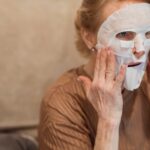
In many Asian cultures, sun avoidance is a deeply ingrained habit. Umbrellas in summer, long sleeves, wide-brimmed hats, and seeking shade are common practices. This is partly aesthetic—pale skin has historically been associated with higher social status—but the effect is the same. Less sun exposure means less collagen breakdown and fewer wrinkles.
Sunscreen use has also become widespread in countries like Japan and South Korea. Many daily moisturizers and foundations in these markets include SPF as a standard ingredient. This cultural norm of daily sun protection is a major reason why Asian skin often appears younger for longer.
Does Traditional Skincare Actually Make a Difference?
Traditional Asian skincare practices are often cited as a reason for youthful skin, but the evidence is mixed. The famous “10-step Korean skincare routine” is a marketing concept as much as a cultural tradition. No clinical study has confirmed that using ten products produces better results than using four well-chosen ones.
That said, some traditional ingredients have genuine evidence behind them. Green tea extracts, rice bran, and fermented ingredients contain antioxidants and gentle exfoliating properties. These ingredients are now studied in modern dermatology and have shown real benefits for skin texture and tone.
The more important habit is consistency. Cleansing, moisturizing, and applying sunscreen every day—year after year—produces cumulative benefits. The specific products matter less than the routine itself. A simple, consistent routine with proven ingredients will outperform an elaborate routine that is only followed occasionally.
What About Lifestyle Factors Like Sleep and Stress?
Sleep quality and stress management are often overlooked in conversations about aging. Poor sleep is linked to increased cortisol, a stress hormone that breaks down collagen. Chronic stress also promotes inflammation throughout the body, including the skin.
Traditional Asian lifestyles often include practices that support stress reduction, such as meditation, tea ceremonies, and communal meals. These habits do not have the same direct evidence as sunscreen or diet, but the biological mechanism is sound. Lower stress hormones and better sleep are consistently associated with better skin health in clinical studies.
The takeaway is not that any single culture has found the secret to eternal youth. It is that multiple factors—genetics, diet, sun habits, and lifestyle—work together. Removing one factor weakens the whole system.
What Can Non-Asian People Learn From This?
The genetic advantages of thicker dermis and higher melanin cannot be replicated. But the behavioral factors can. Daily sunscreen use, a diet rich in vegetables and omega-3s, limited refined sugar, and consistent skincare are all habits that anyone can adopt.
It is also worth noting that genetics are not destiny. An Asian person who smokes, skips sunscreen, and eats a highly processed diet will age faster than a Caucasian person who protects their skin and eats well. Behavior matters more than ancestry in most cases.
The honest conclusion is that Asian aging is not a mystery. It is the predictable result of skin structure, cultural habits, and dietary patterns that all point in the same direction. The science is clear: protect your skin from the sun, eat a diet that reduces inflammation, and stay consistent with basic skincare. Those habits will serve anyone well, regardless of their genetic background.
Frequently Asked Questions
Why do Asians have fewer wrinkles?
Asian skin tends to have a thicker dermis and more melanin, which provides more structural support and natural UV protection. This delays the formation of fine lines and wrinkles compared to lighter skin types.
Is Asian skin aging really different genetically?
Yes, studies show structural differences in collagen density and melanin content. However, lifestyle factors like diet and sun protection contribute just as much to the visible difference.
Can a Western diet cause faster aging?
Diets high in refined sugar and processed foods promote inflammation and glycation, both of which damage collagen. A diet lower in sugar and higher in vegetables and healthy fats supports slower visible aging.
Do Asian skincare routines really work?
Some traditional ingredients like green tea and rice bran have evidence behind them, but the number of steps matters less than consistency. Daily sun protection and moisturizing are the most proven habits.
