

Bloating is that tight, swollen feeling in your belly that makes your pants feel uncomfortable by mid-afternoon. It happens when gas or fluid builds up in your digestive tract. For most people, it is a normal and temporary response to what they ate, how they ate it, or how their body processes certain foods. The good news is that understanding the specific triggers can help you prevent it before it starts.
What Makes You Bloated?
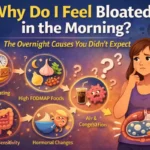
Bloating happens when your gastrointestinal tract fills with gas or stool. This can come from swallowing air while eating or drinking, or from the natural process of your gut bacteria breaking down undigested food. When bacteria ferment certain carbohydrates in your large intestine, they produce gas as a byproduct. That gas stretches the walls of your intestine, which creates that full, tight sensation.
For some people, bloating is also caused by fluid retention. Hormonal changes, high sodium intake, or certain medical conditions can cause your body to hold onto water, making your abdomen feel swollen even without excess gas. The two causes feel similar, but they have different triggers and different solutions.
Which Foods Are Most Likely to Cause Gas and Bloating?
Certain carbohydrates are poorly absorbed in the small intestine. When they reach the large intestine, your gut bacteria feast on them and produce gas. These foods are known as fermentable oligosaccharides, disaccharides, monosaccharides, and polyols, or FODMAPs for short.
Common high-FODMAP foods include:
- Beans, lentils, and chickpeas
- Onions and garlic
- Wheat and rye products
- Dairy products containing lactose
- Apples, pears, and watermelon
- Cauliflower, broccoli, and Brussels sprouts
- Sugar-free gums and candies sweetened with sorbitol or mannitol
You do not need to eliminate all of these foods. Most people tolerate some better than others. The issue is usually portion size and frequency. A handful of cherries might be fine, but a whole bowl could cause noticeable gas within a few hours.
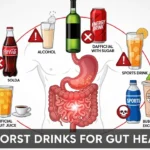
Carbonated drinks are another direct cause. The carbon dioxide in soda, sparkling water, and beer is released as gas in your stomach. If you swallow it quickly, that gas has nowhere to go but down your digestive tract, causing immediate pressure and bloating.
Why Do Some People Bloat More Than Others?
Genetics play a role in how your body digests certain foods. Some people lack enough of the enzyme lactase to break down lactose in dairy. Others have a sensitive gut that reacts to even normal amounts of gas with more noticeable distension.
Gut motility matters too. Your intestines move food along with rhythmic contractions. If those contractions are slower than average, food and gas spend more time in your system. That gives bacteria more time to ferment undigested carbohydrates, producing more gas overall.
Research suggests that some people with irritable bowel syndrome, or IBS, have a heightened sensitivity to normal amounts of intestinal gas. Their gut nerves send pain signals in response to stretching that other people barely notice. This is called visceral hypersensitivity, and it explains why two people can eat the same meal, produce the same amount of gas, and have completely different experiences.



Can Eating Habits Make Bloating Worse?
How you eat is just as important as what you eat. Eating too quickly causes you to swallow air with every bite. That air accumulates in your stomach and creates pressure before food even reaches your intestines.
Drinking through a straw, chewing gum, and sucking on hard candies also increase the amount of air you swallow. So does talking while eating. These habits add gas to your system that has nothing to do with how your body digests food.
Large meals stretch your stomach more than small ones. That stretching sends signals to your brain that you are full, but it also creates physical pressure. Eating smaller meals more frequently can reduce that stretched feeling. Chewing food thoroughly also helps because digestion begins in your mouth with enzymes in your saliva, and smaller food particles are easier for your intestines to break down.
When Is Bloating a Sign of Something More Serious?
Occasional bloating after a large meal or a high-fiber day is normal. But persistent bloating that does not go away, or bloating that comes with other symptoms, deserves attention.
See a doctor if bloating is accompanied by:
- Unintentional weight loss
- Blood in your stool
- Persistent diarrhea or constipation
- Severe abdominal pain that comes and goes
- Nausea or vomiting
- Bloating that gets progressively worse over weeks
These symptoms can indicate conditions like celiac disease, inflammatory bowel disease, ovarian cancer in women, or a bowel obstruction. Most bloating is harmless, but these red flags require medical evaluation rather than dietary self-management.
Sustained bloating that happens most days for three months or more may meet the criteria for a functional gut disorder like IBS. A doctor can help you identify triggers and rule out structural problems with imaging or blood tests.
What Actually Helps Reduce Bloating?
Dietary changes are the most effective approach for gas-related bloating. A low-FODMAP diet, done properly under guidance, helps many people identify their specific trigger foods. The goal is not to stay on the diet forever. The goal is to eliminate high-FODMAP foods for two to six weeks, then slowly reintroduce them one at a time to find your personal tolerance level.
Over-the-counter simethicone products can help break up gas bubbles in your digestive tract. The evidence for their effectiveness is modest, but some people find them helpful. Beano, which contains the enzyme alpha-galactosidase, can reduce gas from beans and certain vegetables when taken before eating. Lactase supplements work similarly for dairy products.
Peppermint oil capsules have shown benefit in some studies for reducing bloating and abdominal pain in people with IBS. They work by relaxing the smooth muscle of the intestinal wall. Enteric-coated capsules are important because they release the oil in the intestines rather than the stomach.
Regular physical activity helps move gas through your system. Even a short walk after a meal can stimulate intestinal contractions and relieve pressure. Gentle yoga poses that compress the abdomen, like child’s pose or knees-to-chest, can also help release trapped gas.
Probiotics are often marketed for bloating, but the evidence is mixed. Different strains have different effects, and what works for one person may not work for another. Some research suggests certain strains like Bifidobacterium infantis may reduce bloating, but no single probiotic has been consistently proven effective across studies.
Does Drinking More Water Help or Hurt?
Water helps with constipation-related bloating. If stool sits in your colon longer than it should, bacteria have more time to ferment it and produce gas. Staying hydrated keeps stool soft and moving at a normal pace.
But drinking large amounts of water with a meal can dilute stomach acid and slow digestion for some people. The evidence here is limited. Most experts recommend drinking water throughout the day rather than chugging large amounts at once. Sipping water with meals is generally fine for most people.
Carbonated water is a different story. The bubbles in sparkling water add gas directly to your stomach, which can cause immediate bloating. If you are prone to bloating, still water is the safer choice.
Can Stress Cause Bloating?
The gut and the brain are directly connected through the vagus nerve. Stress activates your body’s fight-or-flight response, which slows digestion and reduces blood flow to the intestines. That slowdown gives food more time to ferment and gas more time to accumulate.
Stress also changes the composition of gut bacteria and can increase inflammation in the intestinal lining. Some research suggests that stress management techniques like deep breathing, meditation, and cognitive behavioral therapy can reduce bloating symptoms, particularly in people with IBS.
This does not mean bloating is all in your head. The physical gas is real. But your brain’s response to stress can make your gut more sensitive to that gas, amplifying the sensation of bloating.
Frequently Asked Questions
Why do I bloat after eating healthy foods?
High-fiber foods like vegetables, fruits, and whole grains are fermented by gut bacteria, which produces gas. This is a normal process, and your gut usually adapts over time if you increase fiber gradually.
How long does bloating normally last?
Bloating from a single meal usually resolves within a few hours as gas moves through your system. Bloating that lasts more than two days or happens daily for weeks should be evaluated by a doctor.
Is bloating a sign of a food allergy?
Bloating alone is not a food allergy symptom. True food allergies cause hives, swelling, difficulty breathing, or vomiting within minutes to hours. Bloating is more often related to food intolerance or normal fermentation of carbohydrates.
Does chewing gum cause bloating?
Yes. Chewing gum makes you swallow extra air, and many sugar-free gums contain sorbitol or xylitol, which are poorly absorbed and ferment in the gut. Both effects can cause bloating.
