
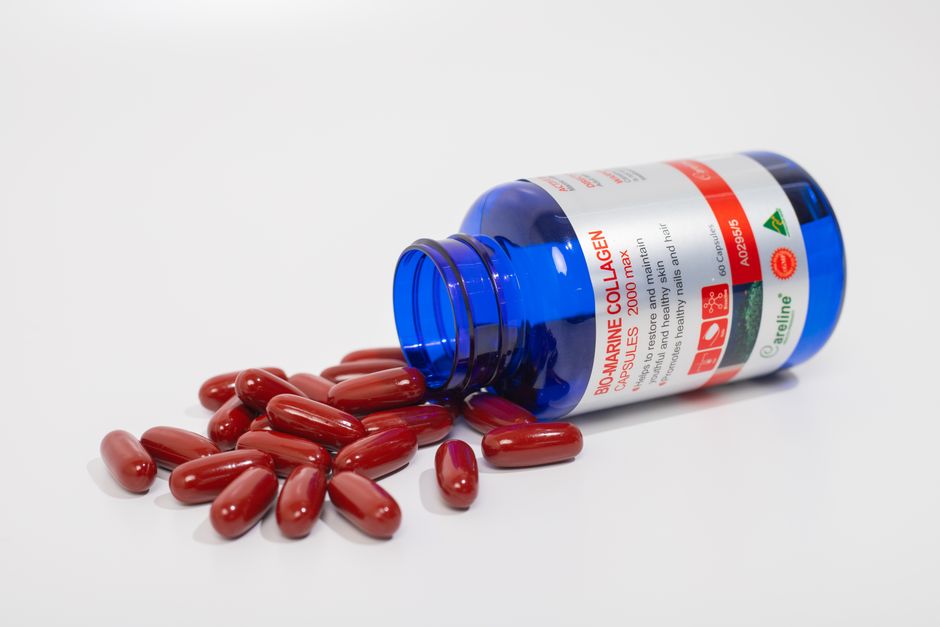
Collagen is the most abundant protein in your body, and its amino acids are the raw materials your cells use to build and repair connective tissue. When you eat collagen or take a supplement, your body breaks it down into amino acids and small peptides, which are then absorbed and delivered to cells throughout the body. These nutrients are not a quick fix; they are the structural building blocks that support skin, joints, bones, and blood vessels over time.
What Are Collagen Amino Acids and Why Do Cells Need Them?
Collagen is a protein made of a specific chain of amino acids. The three most important are glycine, proline, and hydroxyproline. These three make up most of the collagen molecule and are not found in high amounts in most other proteins you eat.
Your cells use these amino acids to produce new collagen fibers. Fibroblasts are the cells responsible for this job. They take up the amino acids from your bloodstream and assemble them into the triple-helix structure that gives collagen its strength.
Without a steady supply of these specific amino acids, your body cannot maintain its existing collagen. This matters because collagen is not just in your skin. It is in your tendons, ligaments, cartilage, bones, and the lining of your blood vessels. Every one of those tissues depends on the same amino acid supply.
How Does the Body Absorb Collagen Amino Acids?
Collagen digestion starts in your stomach. Stomach acid and enzymes break the large collagen protein into smaller pieces called peptides. These peptides then move to the small intestine, where they are broken down further into individual amino acids or very small chains of two or three amino acids.
Your intestine absorbs these small peptides and amino acids into the bloodstream. From there, they circulate to tissues that need them. Research consistently shows that collagen peptides are absorbed and can be found in the bloodstream within a few hours of ingestion.
Some evidence suggests that small collagen peptides may survive digestion better than free amino acids. These dipeptides and tripeptides appear to be absorbed intact more efficiently. However, the clinical significance of this difference is still being studied. What matters most is that your body gets the amino acids it needs, regardless of whether they arrive as individual amino acids or small peptides.
What Makes Collagen Amino Acids Different From Other Protein Sources?
Most protein sources like chicken, beef, eggs, or beans contain a balanced mix of all amino acids. Collagen is different. It is heavily weighted toward glycine, proline, and hydroxyproline.
Glycine makes up about one-third of collagen’s amino acid content. Most other proteins contain very little glycine. The same is true for proline and hydroxyproline. This unique amino acid profile is what makes collagen specifically useful for connective tissue repair.
Your body can make some glycine and proline on its own, but not always enough. Under conditions of stress, illness, or high physical demand, your body’s demand for these amino acids can exceed its supply. This is when dietary collagen becomes more relevant.
Collagen is not a complete protein in the traditional sense. It is low in tryptophan, an essential amino acid your body cannot make. So collagen should not be your only protein source. It works best as a complement to a varied diet that includes other complete proteins.




How Do Collagen Amino Acids Reach the Cells That Need Them?
Once absorbed into your bloodstream, collagen amino acids are delivered to tissues throughout the body. But your body does not send all amino acids everywhere equally. It prioritizes based on need.
Your liver processes a significant portion of absorbed amino acids. It uses some for its own needs and releases others back into circulation. The amino acids that remain in circulation are taken up by tissues based on their local demand.
Skin cells, cartilage cells, and bone cells all actively take up glycine and proline when they are building new collagen. This is why collagen supplementation is often studied for skin elasticity, joint comfort, and bone density.
Vitamin C is essential for this process. Your cells cannot assemble collagen fibers without vitamin C. It acts as a cofactor for the enzymes that modify proline and lysine into hydroxyproline and hydroxylysine. These modified amino acids are what allow collagen to form its stable triple-helix structure. Without adequate vitamin C, collagen production slows down significantly.
What Does the Evidence Say About Collagen Supplements?
The evidence for collagen supplements is strongest for skin health and joint comfort. Several clinical trials have found that hydrolyzed collagen peptides can improve skin hydration and elasticity when taken daily for 8 to 12 weeks. Some studies also report reduced joint pain in people with osteoarthritis or in athletes with joint discomfort.
However, the quality of this evidence varies. Many studies are small, funded by supplement companies, or use subjective outcome measures. The results are promising but not definitive.
For bone health, the evidence is more limited. Some research suggests collagen peptides may support bone mineral density in postmenopausal women, but larger trials are needed before firm conclusions can be drawn.
There is no evidence that collagen supplements can reverse existing joint damage or cure arthritis. They may help manage symptoms in some people, but they are not a treatment for joint disease. The evidence here is limited, and results vary from person to person.
How Much Collagen Do You Need and Are There Risks?
Most clinical trials use doses between 2.5 and 15 grams of collagen peptides per day. Studies on skin health typically use 2.5 to 10 grams daily. Joint studies often use 10 to 15 grams daily. These amounts appear to be well tolerated in most adults.
Collagen supplements are generally considered safe for healthy adults. The most commonly reported side effects are mild digestive discomfort, a feeling of fullness, or an unpleasant taste. These effects are usually temporary and resolve on their own.
No clinical guidelines currently exist for collagen supplementation during pregnancy or breastfeeding. If you are pregnant or nursing, talk to your doctor before taking collagen supplements. The same applies if you have a medical condition that affects protein metabolism, such as kidney disease or phenylketonuria.
Collagen supplements are not regulated as drugs by the FDA. They are sold as dietary supplements, which means quality and purity can vary between brands. Look for products that have been tested by a third-party organization. This does not guarantee effectiveness, but it does help ensure you are getting what the label claims.
Can You Get Collagen Amino Acids From Food Instead?
Yes. Bone broth, chicken skin, pork skin, fish skin, and gelatin are all rich sources of collagen. Gelatin is simply cooked collagen. When you eat these foods, your body digests them the same way it digests a supplement.
Your body also makes collagen from the amino acids in any protein-rich food. Eating chicken breast, eggs, beans, or dairy provides amino acids that your cells can use to build collagen. The difference is that these foods do not provide the same concentrated supply of glycine and proline that collagen itself does.
No studies have confirmed that food sources of collagen are more effective than supplements, or vice versa. Both provide the same amino acids. Food sources also provide other nutrients like iron, zinc, and B vitamins that support overall health. Supplements offer a more concentrated and convenient dose.
For most people, a diet that includes adequate protein overall, plus specific collagen-rich foods like bone broth or gelatin, is likely sufficient. Supplements are not necessary for everyone, but they may be helpful for people who want a targeted approach to skin or joint support.
What Happens If You Do Not Get Enough Collagen Amino Acids?
Your body prioritizes collagen production based on need. When amino acid supply is low, your body directs available resources to essential functions first. Collagen maintenance in skin and joints may be deprioritized.
This is why visible signs of collagen loss, like wrinkles and joint stiffness, tend to appear with age. Your body’s natural collagen production slows down, and without adequate amino acid intake, the decline becomes more noticeable.
However, collagen loss is a normal part of aging. It is not a disease, and it is not caused solely by diet. Genetics, sun exposure, smoking, and hormonal changes all play a role. Getting enough protein in your diet, including collagen amino acids, can support your body’s natural maintenance processes. It cannot stop aging or reverse damage that has already occurred.
Frequently Asked Questions
What are the main amino acids in collagen?
Glycine, proline, and hydroxyproline are the three primary amino acids in collagen. Together they make up most of the collagen molecule’s structure.
How long does it take for collagen supplements to work?
Most clinical studies measure results after 8 to 12 weeks of daily use. Some people notice changes sooner, but consistent daily intake over several months is the typical timeline reported in research.
Is collagen a complete protein?
No. Collagen is low in tryptophan, an essential amino acid your body cannot produce on its own. It should complement other protein sources rather than replace them.
Can collagen supplements help with joint pain?
Some studies report reduced joint pain with daily collagen peptide use, particularly in people with osteoarthritis or exercise-related joint discomfort. The evidence is promising but not conclusive, and individual results vary.
