
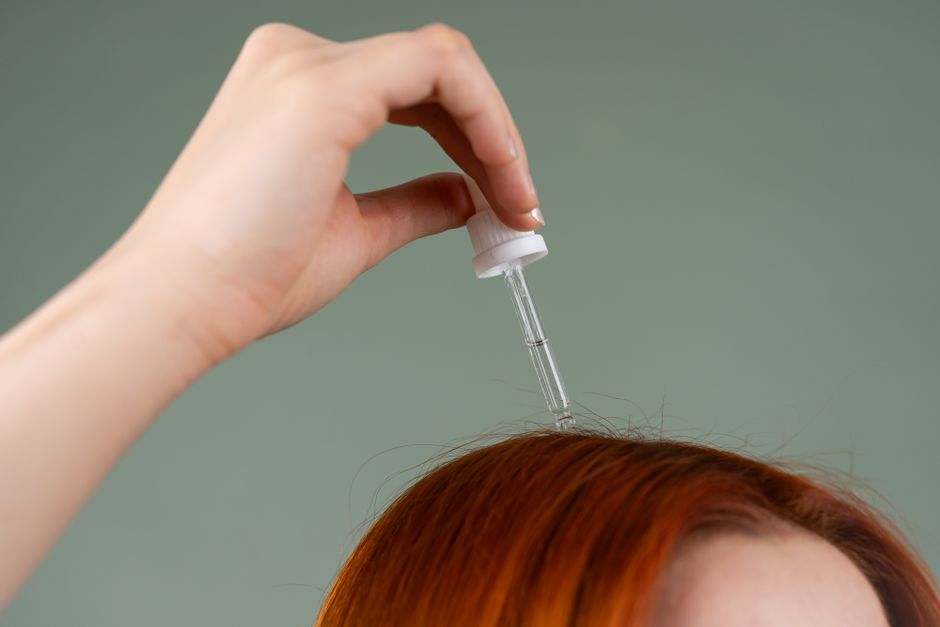
New parents often notice two things about baby hair: it grows in surprising patterns, and then it often falls out. Both are normal parts of development. A baby’s hair growth is driven by genetics, hormones from pregnancy, and natural hair cycles. The shedding that follows is usually just the body replacing newborn hair with mature hair. Understanding why this happens can ease a lot of worry.
What Makes Babies Hair Grow In The Womb?
Hair growth starts early in pregnancy. Around the 14th week, fine hair called lanugo covers the baby’s skin. This soft, thin hair helps hold the vernix caseosa, the waxy coating that protects skin in the amniotic fluid.
By the second trimester, hair follicles form on the scalp. The number of follicles a baby has is set before birth. No new follicles form after that. The density of hair, its color, and its texture are largely determined by genetics.
Hormones play a major role in fetal hair growth. Estrogen from the mother crosses the placenta and stimulates fetal hair growth. This is why many newborns appear to have a full head of hair. It is a temporary effect of maternal hormones, not a permanent trait.
Some babies are born bald, and others have thick hair. Both are healthy. The variation depends on genetics, gestational age, and timing of the hair cycle. Hair that grows early in pregnancy may shed before birth, which is why some babies arrive with less hair than expected.
Why Do Babies Lose Their Hair After Birth?
The hair loss that follows birth is a normal physiological process. When maternal estrogen levels drop after delivery, the baby’s hair follicles respond. Hair that was in a growing phase shifts into a resting phase and then sheds.
This is called telogen effluvium. It is the same process that can cause temporary hair shedding in adults after major stress, illness, or hormonal changes. In newborns, it happens naturally around 8 to 12 weeks of age.
Not every baby loses hair. Some lose a little, some lose a lot, and some lose none. The pattern is often patchy. Many babies develop a bald spot on the back of the head from rubbing against the mattress or car seat. This is friction alopecia, and it is harmless.
The hair that falls out is replaced by mature hair. This new hair may be a different color or texture than the newborn hair. Curly babies may grow straight hair, and blond babies may grow brown hair. This change is normal and often temporary.
When Does Baby Hair Grow Back?
Regrowth typically begins within a few months. By the first birthday, most babies have a noticeable head of hair. Some babies take longer, and that is usually fine.
Hair grows in cycles. Each follicle has a growing phase, a resting phase, and a shedding phase. In infants, these cycles are not synchronized. This is why baby hair often looks uneven or patchy during the first year.
The average rate of hair growth is about half an inch per month. This rate is similar across infants. What differs is the duration of the growing phase, which determines maximum hair length. Some children can grow long hair quickly, while others seem to stay short-haired for years.
Genetics determines the duration of the growth phase. If both parents had thin baby hair, their child may follow the same pattern. If one parent had thick hair, the child may grow a full head of hair quickly. Neither pattern indicates a future hair problem.





Should Parents Worry About Baby Hair Loss?
In most cases, no. Temporary shedding in the first few months is expected. Patchy bald spots from friction are also common and resolve on their own.
Parents should seek medical advice if hair loss is accompanied by other symptoms. These include redness, scaling, crusting, or bald patches with broken hairs at the edges. These signs may indicate a fungal infection such as ringworm, which requires treatment.
Another reason to consult a pediatrician is if hair loss continues beyond the first year without regrowth. This is uncommon, but it may signal an underlying condition. Thyroid disorders, nutritional deficiencies, or genetic conditions can affect hair growth, though these are rare in otherwise healthy infants.
Hair pulling is another consideration. Some infants develop a habit of pulling or rubbing their hair. This is usually a self-soothing behavior. It typically resolves on its own. If the behavior persists or causes noticeable bald patches, a pediatrician can offer guidance.
Does Cutting Baby Hair Make It Grow Thicker?
No. Shaving or cutting a baby’s hair does not change its thickness, density, or growth rate. This is a widespread myth with no biological basis.
Hair thickness and growth originate at the follicle, beneath the scalp. Cutting the visible hair shaft has no effect on the follicle. A shaved head can appear thicker temporarily because all hairs are the same length, creating an illusion of density.
Some cultures practice shaving a baby’s head for tradition or belief that it strengthens hair. There is no evidence that this works. It is not harmful if done gently and safely, but parents should not expect a permanent change in hair quality.
The only way to influence hair quality is through overall health. Good nutrition, adequate sleep, and gentle hair care support normal growth. No topical product, shampoo, or oil has been proven to make baby hair grow faster or thicker.
Can Parents Influence Baby Hair Growth?
Nutrition supports hair growth, but only when there is a deficiency. A healthy, balanced diet provides the protein, iron, zinc, and vitamins needed for normal hair development. Breast milk or formula supplies these nutrients for infants.
Supplementing with biotin or other hair vitamins has no proven benefit for babies. These supplements are only indicated when a confirmed deficiency exists. Parents should never give hair supplements to an infant without medical supervision.
Gentle hair care is the most practical way to support healthy hair. Wash the scalp with a mild baby shampoo. Avoid tight hairstyles that pull on the hair. Use a soft brush or wide-tooth comb to prevent breakage.
Massaging the scalp can increase blood flow, but there is no evidence that it stimulates hair growth. It can be a soothing bonding activity, and it may help remove cradle cap. Cradle cap, a common scaly scalp condition, does not cause permanent hair loss and resolves with regular washing and gentle brushing.
What Is Normal Baby Hair Texture And Color?
Newborn hair is often different from the hair a child will have later. The initial hair is fine, soft, and may lack pigment. Over time, the hair shaft thickens and color may deepen or lighten.
Hair color is determined by melanin production in the follicle. This production can change during early childhood. A baby born with dark hair may become blond by age two. A blond baby may develop brown hair. These changes are genetically programmed and not a cause for concern.
Texture also changes. Straight newborn hair may become curly, and curly hair may straighten. The shape of the hair follicle determines curl pattern. As the follicle matures, the pattern can shift.
Parents should not compare their baby’s hair to other babies. The range of normal is wide. What matters is that the hair is growing and the scalp looks healthy.
Frequently Asked Questions
When do babies lose their newborn hair?
Most babies shed their newborn hair between 8 and 12 weeks of age. This is a normal response to dropping maternal hormone levels.
How long does it take for baby hair to grow back?
Regrowth usually begins within a few months after shedding. Most babies have a full head of hair by their first birthday.
Does rubbing cause permanent bald spots in babies?
No. Bald spots from rubbing against a mattress or car seat are temporary. They resolve once the baby becomes more mobile and spends less time in one position.
Can baby shampoo prevent hair loss?
No shampoo can prevent normal newborn hair shedding. Gentle washing keeps the scalp clean, but it does not affect the natural hair cycle.
