
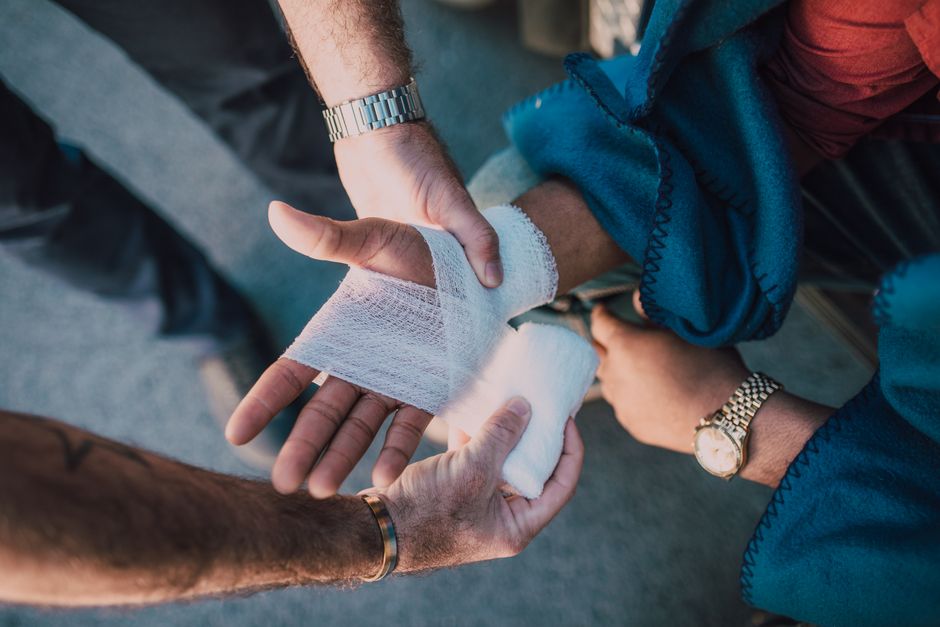
A poultice made from activated charcoal, bentonite clay, or bread and milk is commonly used to draw out infection from a skin wound or boil. The key is creating a moist, warm paste that pulls fluid and debris toward the surface. Research supports some of these ingredients more than others, which matters if you are trying to treat an actual infection.
How Does a Poultice Work to Draw Out Infection?
A poultice works by creating a warm, moist environment on your skin. The warmth increases blood flow to the area. More blood brings more white blood cells and nutrients to fight the infection.
The ingredients in the poultice also matter. Some have properties that pull fluid out of the tissue through osmosis. This is why salt or sugar-based poultices can be effective. Others, like activated charcoal, physically bind to toxins and bacteria in the wound fluid.
The moisture softens the skin and any scab that has formed. This makes it easier for pus or fluid to drain naturally. The poultice acts like a gentle vacuum, drawing the infection to the surface where it can be cleaned.
It is important to understand that a poultice is not a replacement for medical care. If you have a deep infection, a fever, or red streaks spreading from the wound, see a doctor. A poultice can help with minor surface infections but will not fix a serious one.
What Kind of Poultice Will Draw Out Infection Best?
The most effective poultices for drawing out infection are those with scientifically supported ingredients. Activated charcoal is at the top of the list. Research shows it absorbs bacteria and toxins from wounds. You can buy activated charcoal powder at most drugstores or online.
Bentonite clay is another strong option. When mixed with water, it creates a negative electrical charge. This charge pulls positively charged toxins and bacteria toward it. Studies on clay for wound healing are limited but promising.
Epsom salt poultices work through osmosis. The salt draws fluid out of the tissue. This can reduce swelling and help drain an infection. Mix Epsom salt with warm water to make a paste and apply it to the area.
| Ingredient | How It Works | Evidence Level |
|---|---|---|
| Activated Charcoal | Absorbs bacteria and toxins | Strong – used in clinical wound care |
| Bentonite Clay | Electrically pulls toxins | Moderate – promising but limited studies |
| Epsom Salt | Osmotic pull of fluid | Moderate – well-established for swelling |
| Bread and Milk | Moisture and mild osmotic effect | Weak – mostly tradition |
| Honey | Antimicrobial and moistening | Strong – used in medical wound dressings |
What Kind Of Poultice Will Draw Out Infection depends on what you have available. Activated charcoal and honey have the best science behind them. If you have neither, bentonite clay or Epsom salt are good second choices.
What Does Research on Poultices for Infection Show?
Research on poultices is not as strong as you might think. Most studies are small or focus on specific ingredients rather than the poultice method itself. The Journal of Wound Care published a review in 2021 that found activated charcoal dressings reduce bacterial load in chronic wounds. This is the closest we have to clinical evidence for a poultice.
Honey has the best research support. The Cochrane Review, a trusted source for medical evidence, found that honey dressings heal burns faster than standard dressings. Manuka honey in particular has strong antibacterial properties. You can use honey as a poultice by spreading it directly on a clean cloth and applying it to the wound.
Clay poultices have less research but some interesting findings. A 2019 study in the International Journal of Environmental Research and Public Health tested French green clay against bacteria. It killed several types, including E. coli and Staphylococcus aureus. The study used clay in a lab setting, not on human wounds, so results may differ in real use.
Bread and milk poultices have no clinical evidence behind them. This is a folk remedy that has been passed down for generations. The milk provides moisture and the bread creates a paste, but neither ingredient has antibacterial properties. Some people report it works, but this is likely due to the warmth and moisture rather than the bread or milk itself.




How to Make and Apply a Poultice Safely
Making a poultice is simple but you must follow hygiene rules. Start by washing your hands with soap and water. Clean the wound area with mild soap and warm water. Pat it dry with a clean towel.
For an activated charcoal poultice, mix one tablespoon of activated charcoal powder with enough water to make a thick paste. Spread it on a clean cloth or gauze pad. Apply it directly to the wound. Cover with another cloth or bandage to hold it in place.
- Leave the poultice on for 20 to 30 minutes
- Remove and clean the area gently
- Repeat two to three times per day
- Do not leave a poultice on for more than 30 minutes at a time
- Discard used poultices immediately in the trash
For a honey poultice, use raw or Manuka honey. Spread a thin layer on a clean cloth. Apply to the wound and cover with a bandage. Honey can be left on longer, up to several hours, because it is safe for skin.
Never reuse a poultice. Bacteria can grow in the used material and reinfect the wound. Always make a fresh one each time. If the wound looks worse after two days, stop using poultices and see a doctor.
What Are the Risks and Side Effects of Using a Poultice?
Poultices are generally safe for minor skin infections but they have risks. The biggest risk is delaying proper medical treatment. If you have a serious infection, using a poultice for several days can allow the infection to spread deeper into your tissue.
Skin irritation is common with some ingredients. Activated charcoal can be drying and may cause redness. Clay poultices can be too drying if left on too long. Honey can cause a stinging sensation in some people, especially if the wound is open.
Allergic reactions are possible but rare. If you have never used an ingredient before, test a small amount on healthy skin first. Wait 15 minutes to see if any redness or itching develops.
Do not use a poultice on deep puncture wounds, animal bites, or wounds with visible debris like glass or metal. These need medical attention. A poultice can push debris deeper into the tissue rather than drawing it out.
Some people report that poultices make the infection look worse at first. This can happen because the poultice draws pus to the surface. The wound may look more inflamed before it starts to heal. If redness or pain increases significantly, stop using the poultice and see a doctor.
Common Misconceptions About Poultices for Infection
One big misconception is that a poultice will cure any infection. This is false. A poultice can help draw out pus from a surface infection like a small boil or pimple. It will not cure cellulitis, a deep skin infection that requires antibiotics.
Another myth is that you should leave a poultice on overnight. This is not recommended. Leaving a moist poultice on for hours can soften the skin too much. It can also create a breeding ground for bacteria. Twenty to thirty minutes is the safe limit for most poultices.
Some people believe that any clay will work the same. This is not true. Bentonite clay has specific properties that make it effective. Other clays, like cosmetic clay or pottery clay, may not have the same effect. Always use food-grade or pharmaceutical-grade clay for medical purposes.
There is also a belief that adding essential oils makes a poultice stronger. Tea tree oil and oregano oil have antibacterial properties in lab tests. But they can also irritate skin and cause allergic reactions. The evidence for essential oils in wound care is weak and inconsistent. Stick with simple ingredients that have better research support.
Finally, some people think a poultice can replace proper wound cleaning. It cannot. Always clean a wound before applying a poultice. The poultice works best on a clean surface where it can pull fluid from the tissue, not from dirt or debris on the skin.
Frequently Asked Questions
Can I use a poultice on an infected wound that is already draining?
Yes, but only if the drainage is light and the wound is not deep. If pus is flowing freely, the infection is already draining and a poultice may not add much benefit.
How long does it take for a poultice to draw out an infection?
Most people see results within 24 to 48 hours of regular use. If the infection does not improve or looks worse after two days, stop and see a doctor.
Is a bread and milk poultice effective for drawing out infection?
No strong evidence supports bread and milk poultices. The warmth and moisture may help, but the ingredients themselves have no proven antibacterial properties.
Can I use a poultice on a child’s infected wound?
Use caution with children and only for very minor surface infections. Children have thinner skin that can absorb ingredients more easily. See a pediatrician for any wound that looks infected.
