
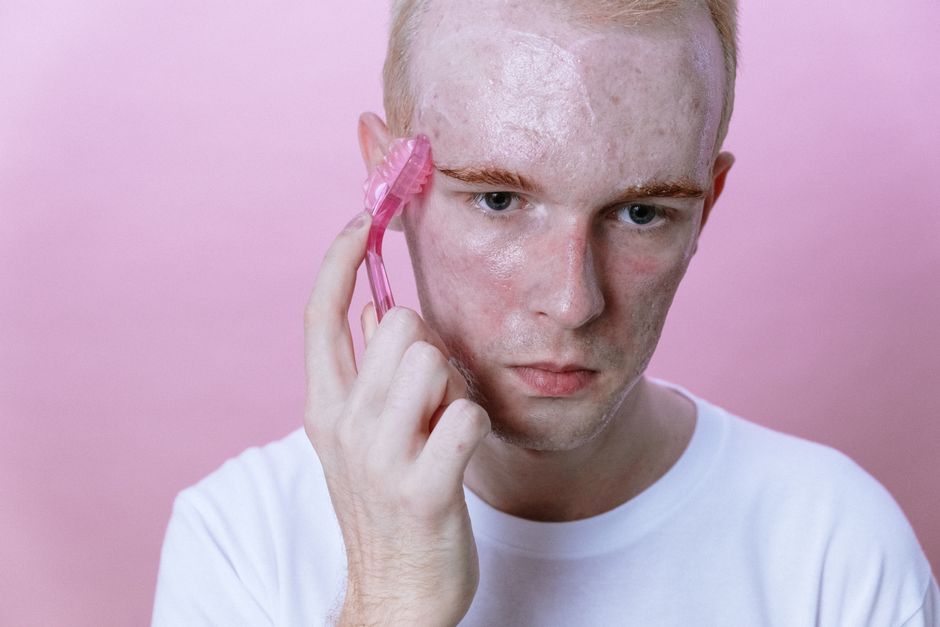
Acne is not one condition. It is a group of related skin problems that look different, form in different ways, and respond to different treatments. Knowing which type you have is the first step toward treating it correctly — and it is the step most people skip.
Dermatologists generally sort acne into a few main categories: comedonal (blackheads and whiteheads), inflammatory (papules and pustules), nodulocystic (deep, painful lumps), and hormonal acne (linked to the menstrual cycle or androgens). Most people have a mix. The type is named for whichever lesions dominate.
You can usually identify your type by looking at what is actually on your skin: whether the bumps are flat and clogged, red and inflamed, or deep and tender under the surface. That distinction matters, because a blackhead and a cyst are not the same problem and do not respond to the same approach.
What Kind Of Acne Do I Have Identify Your Type
The single most useful question is what the individual spots look like and how deep they sit. Acne lesions fall along a spectrum from non-inflamed to deeply inflamed, and where your spots land on that spectrum tells you the type.
Comedonal acne is the mildest form. It consists of blackheads (open comedones) and whiteheads (closed comedones). These form when dead skin cells and oil plug a hair follicle. The follicle stays closed off from inflammation, so the bumps are not red or tender. The dark color of a blackhead is not dirt — it is the oxidized, exposed plug of keratin and oil at the surface of the pore.
Inflammatory acne shows up as papules (small red bumps) and pustules (bumps with a white or yellow center of pus). These form when the plugged follicle becomes colonized by Cutibacterium acnes bacteria and the immune system responds, producing redness, swelling, and pus.
Nodulocystic acne is the most severe form. It produces nodules — hard, painful lumps deep in the skin — and cysts. These lesions sit well below the surface, and they are the type most likely to leave permanent scars. This form usually needs prescription treatment, often from a dermatologist.
Hormonal acne is a pattern rather than a distinct lesion type. It tends to appear along the jawline, chin, and lower face, and flares with the menstrual cycle or with conditions that raise androgen levels. The lesions themselves can be any of the types above.
How Do I Tell The Difference Between Blackheads And Whiteheads?
Both are comedones — the same basic clog — but one is open to the air and one is sealed over. That difference explains almost everything about how they look and behave.
A blackhead is an open comedo. The pore stays open, so the plug of oil and dead skin is exposed to air and darkens. It sits flat or slightly raised and does not hurt.
A whitehead is a closed comedo. The pore is covered by a thin layer of skin, so the plug stays pale and looks like a small, firm white or skin-colored bump. It is not infected, but it can turn into an inflammatory pimple if the follicle wall ruptures.
Neither blackheads nor whiteheads are caused by poor hygiene. Scrubbing harder does not clear them and can irritate the skin. The plug forms from the inside as part of how the follicle behaves, not from surface dirt.
What Does Inflammatory Acne Look Like?
Inflammatory acne is red, swollen, and sometimes tender. If your spots are pink or red with a raised center, or have a visible white head of pus, you are looking at inflammatory lesions.
Papules are the smaller, redder bumps without a pus head. Pustules have a clear white or yellow center. Both form when Cutibacterium acnes, a bacterium that normally lives on the skin, multiplies inside a blocked follicle. The immune system responds with inflammation — which is what produces the color, heat, and tenderness.
This is the type most people picture when they think of a pimple. It is also the type where picking and squeezing does the most damage. Squeezing a pustule can push bacteria and inflammation deeper into the skin, turning a small lesion into a larger one and increasing the chance of a scar.




How Do I Know If I Have Nodulocystic Acne?
Nodulocystic acne is defined by depth and pain. If you can feel hard, tender lumps under the skin that never come to a head, that is the signature.
Nodules are solid, deep lumps. Cysts are deeper, pus-filled lesions. Unlike a surface pimple, these do not have an obvious opening. They can last for weeks and often heal with a scar or a dark mark.
This form is more common in men and in people with a family history of severe acne. It is the type most strongly associated with permanent scarring, and it is the type where waiting to see if it clears on its own carries real risk. Nodulocystic acne generally does not respond to over-the-counter products and usually requires prescription treatment.
If you have deep, painful lumps, that is a reason to see a dermatologist rather than manage it at home. Early treatment reduces scarring, and scarring is permanent once it forms.
Could My Acne Be Hormonal?
Hormonal acne has a recognizable pattern: it clusters along the jawline, chin, and lower cheeks, and it tends to flare at predictable times. If your breakouts track with your menstrual cycle or began around a major hormonal shift, that pattern points to hormonal drivers.
Androgens — hormones present in both men and women — stimulate oil production in the sebaceous glands. When androgen levels rise or when the skin is unusually sensitive to them, oil output increases and follicles are more likely to clog. This is why hormonal acne often appears in the same lower-face zone repeatedly.
Hormonal acne can take any lesion form. Some people get mostly comedones, others get deep cysts. The hormonal label describes the underlying driver, not the surface appearance.
Conditions such as polycystic ovary syndrome can raise androgen levels and produce persistent hormonal acne, along with other symptoms. A doctor can evaluate whether an underlying condition is contributing.
Why Does The Type Of Acne Change How It Should Be Treated?
Different acne types have different causes, so the same product will not work for all of them. Comedonal acne is a plugging problem. Inflammatory acne is a bacteria-and-immune problem. Nodulocystic acne is a deep structural problem. Treating one as if it were another wastes time and can make things worse.
Comedonal acne responds to treatments that keep follicles from clogging. Ingredients like salicylic acid and topical retinoids address the plugging process. These are widely used, and topical retinoids in particular have a strong evidence base for comedonal acne.
Inflammatory acne is often treated with topical or oral antibiotics combined with a topical retinoid, because the goal is to reduce both bacteria and inflammation. Antibiotics alone tend to be less effective over time, since bacteria can develop resistance.
Nodulocystic acne usually needs prescription treatment, and for severe cases, a dermatologist may consider stronger options. Isotretinoin is a highly effective prescription treatment for severe nodulocystic acne, but it carries significant risks and requires monitoring. No over-the-counter product treats this form.
Hormonal acne may respond to treatments that address the hormonal driver, which is why some cases are managed with certain hormonal therapies. This is a decision to make with a doctor, not on your own.
When Should I See A Dermatologist?
See a dermatologist if your acne is deep and painful, if it is leaving scars or dark marks, if it is not improving after a few months of consistent over-the-counter treatment, or if it is affecting your mental health.
Scarring is the clearest reason not to wait. Once a scar forms, it is permanent, and no cream reverses it. Treating acne early — especially nodulocystic acne — is the most reliable way to limit scarring.
Acne also has a well-documented emotional toll. Research consistently links moderate to severe acne with higher rates of anxiety and depression. That is a medical reason to seek treatment, not a minor concern.
If you are unsure which type you have, a dermatologist can identify it in a single visit. That identification shapes the entire treatment plan, and it is worth getting right.
Frequently Asked Questions
How can I tell what type of acne I have?
Look at the individual spots: blackheads and whiteheads mean comedonal acne, red bumps and pus-filled pimples mean inflammatory acne, and deep painful lumps mean nodulocystic acne. The type is named for whichever lesion form is most prominent on your skin.
What is the difference between hormonal acne and regular acne?
Hormonal acne is defined by its pattern and driver, not its lesion type — it clusters on the jawline and chin and flares with hormonal shifts. Regular acne can appear anywhere and is not tied to a hormonal cycle.
Does squeezing pimples make acne worse?
Yes. Squeezing can push bacteria and inflammation deeper into the skin, enlarge the lesion, and raise the risk of scarring and dark marks. It does not speed healing.
When should I see a doctor for acne?
See a doctor if you have deep, painful lumps, if acne is scarring, if it has not improved after a few months of consistent over-the-counter treatment, or if it is affecting your mood. Nodulocystic acne in particular usually needs prescription treatment.
