
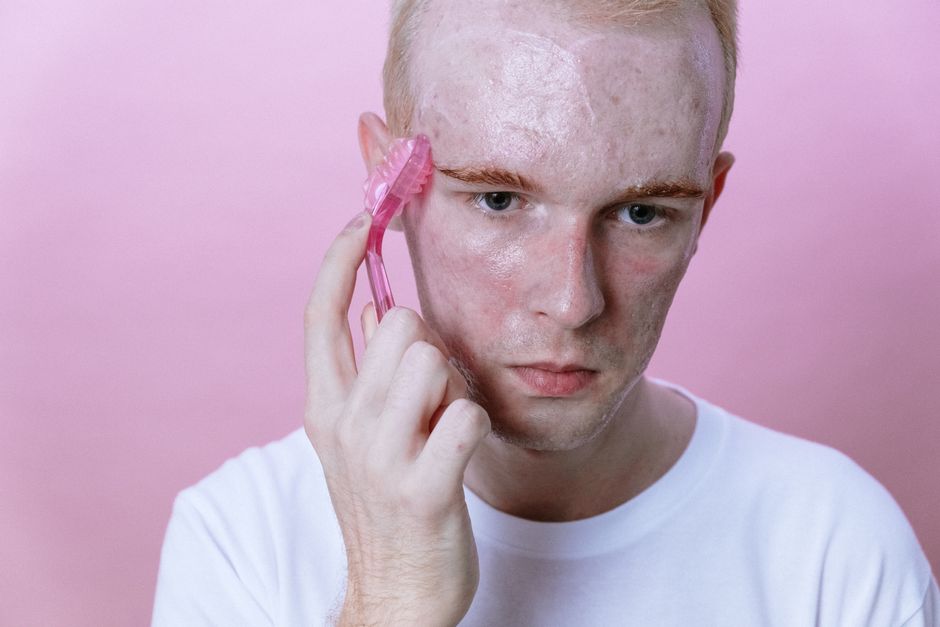
Acne is not one condition. It is a family of skin problems that range from a few blackheads to deep, painful lumps that can scar for life. When dermatologists rank acne by severity, they look at the type of lesion, how deep it sits in the skin, and how likely it is to leave permanent marks. The worst type of acne is nodulocystic acne, also called nodular acne or cystic acne. These are large, painful bumps that form deep under the skin and carry the highest risk of permanent scarring. Understanding where each type falls on that scale helps you know when home care is enough and when you need a doctor.
What Is The Worst Type Of Acne Ranked By Severity
Severity ranking follows a clear logic: the deeper the lesion, the more inflammation, and the higher the scarring risk. Mild acne sits at the surface. Severe acne burrows into the dermis, the thick middle layer of skin. From least to most severe, the ranking is blackheads and whiteheads, papules, pustules, nodules, and cysts. Nodules and cysts are the most dangerous forms because they rupture deep in the skin, and that rupture is what causes permanent scars.
Some dermatologists use the term nodulocystic acne to describe the most severe cases. This means a person has both nodules and cysts, often at the same time. This form of acne is not just a cosmetic issue. It is a medical condition that can cause significant pain and long-term disfigurement if left untreated.
What Are Blackheads and Whiteheads
Blackheads and whiteheads are called comedones. They are the mildest form of acne. A comedo is a pore blocked by oil and dead skin cells. When the plug is open to the air, it oxidizes and turns dark, which is a blackhead. When the plug stays closed under the skin surface, it appears as a small white or flesh-colored bump, which is a whitehead.
These lesions do not involve bacteria or inflammation in the early stages. They are purely a blockage problem. They rarely scar. Over-the-counter products containing salicylic acid or benzoyl peroxide usually clear them. Dermatologists sometimes call this grade 1 acne, meaning the mildest form on the clinical scale.
What Are Papules and Pustules
Papules are small, red, tender bumps. They form when the wall of a blocked pore breaks down and white blood cells rush in to fight the irritation. This is the first stage where acne becomes inflammatory. Papules sit close to the skin surface. They can be sore but they usually heal without scarring.
Pustules are what most people call pimples or zits. They are papules that have filled with pus. The pus is a mixture of white blood cells, dead bacteria, and oil. Pustules are still relatively shallow. They can leave temporary red or dark marks called post-inflammatory hyperpigmentation, but true scarring is less common with this type. This stage is considered moderate acne, and it often responds to prescription topical treatments.



What Are Nodules
Nodules are the first truly severe form of acne. They are hard, painful lumps that develop deep in the dermis. Unlike pustules, they have no visible head. They feel like firm knots under the skin. Nodules form when a pore wall ruptures deep below the surface, spilling infected material into the surrounding tissue. The body mounts a strong inflammatory response, and that response damages healthy skin cells.
Nodules are slow to heal. They can last for weeks or even months. Because they are deep, they almost always leave some form of permanent scar. Topical treatments cannot reach them effectively. Nodular acne usually requires oral prescription medication, often isotretinoin or antibiotics, and sometimes steroid injections directly into the lesion to reduce inflammation quickly.
What Are Cysts
Cysts are the most severe form of acne lesions. A cyst is a large, soft, fluid-filled lump deep under the skin. It feels like a balloon under the surface. Cysts are intensely painful and inflamed. They form the same way nodules do, through deep rupture of the pore wall, but they involve more fluid and more extensive tissue damage.
Cystic acne has the highest risk of severe, permanent scarring. The inflammation destroys collagen and elastin, the fibers that keep skin smooth and firm. When the cyst eventually heals, the skin often collapses into a depressed scar or forms a raised keloid scar. Cystic acne is not something to manage at home. It requires aggressive medical treatment. Many people with cystic acne need isotretinoin, a powerful oral medication that shrinks oil glands and changes the skin environment so acne cannot form.
How Do Doctors Grade Acne Severity
Dermatologists use a grading system to classify acne severity and guide treatment. The system runs from grade 1 to grade 4. Grade 1 is comedonal acne, meaning only blackheads and whiteheads are present. Grade 2 includes papules and pustules, and it is considered moderate acne. Grade 3 means many papules and pustules with some nodules. Grade 4 is the most severe, with numerous nodules and cysts, extensive inflammation, and active scarring.
This grading matters because it changes the treatment plan. Someone with grade 1 acne can start with over-the-counter products. Grade 2 often needs prescription topicals. Grade 3 and grade 4 almost always need oral medications. If you have painful lumps that do not come to a head, or if you see scarring forming, that is a sign you are in grade 3 or 4 territory and need a dermatologist.
Why Nodular and Cystic Acne Scar
Scarring happens when inflammation destroys the skin’s structural support. In mild acne, inflammation stays near the surface and the skin can repair itself. In nodular and cystic acne, the rupture happens deep in the dermis. The immune system floods the area with inflammatory chemicals. These chemicals break down collagen, the protein that gives skin its firm structure.
When the inflammation settles, the skin tries to rebuild. Sometimes it makes too little collagen, leaving a depressed or “ice pick” scar. Sometimes it makes too much, leaving a raised scar. Both types are permanent. Treatments like laser resurfacing, microneedling, and chemical peels can improve the appearance of scars, but they cannot fully erase them. This is why early treatment of severe acne is so important. Preventing the scar is far easier than fixing it.
When To See a Dermatologist
You should see a dermatologist if you have painful lumps under the skin, if acne is leaving dark marks or scars, or if over-the-counter products have not helped after several weeks. Nodular and cystic acne is not something you can treat effectively at home. Picking or squeezing these deep lesions makes them worse. It pushes the infection deeper and increases the risk of permanent scarring.
Prescription options include topical retinoids, oral antibiotics, spironolactone for hormonal acne in women, and isotretinoin for severe cases. Isotretinoin is the closest thing to a cure for severe acne, but it has significant side effects and requires close medical monitoring. Some dermatologists also use intralesional steroid injections to shrink a single painful nodule or cyst quickly. These treatments are effective, but they require a prescription and a proper diagnosis.
Can Diet or Skincare Reverse Severe Acne
No diet or skincare routine can cure nodular or cystic acne. Some research suggests that high-glycemic foods and dairy may worsen acne in some people, but the evidence is not strong enough to call them causes. Skincare products can help manage oil and prevent new blockages, but they cannot reach deep nodules or cysts. The idea that a special cleanser or supplement can clear severe acne is not supported by clinical evidence.
That does not mean lifestyle choices are irrelevant. A gentle cleansing routine, non-comedogenic moisturizers, and avoiding picking can prevent additional irritation. But if you have grade 3 or grade 4 acne, these habits are supportive, not curative. Medical treatment is the only evidence-based path to stopping deep acne and preventing scars.
Frequently Asked Questions
What is the most painful type of acne?
Nodules and cysts are the most painful because they form deep in the skin where nerve endings are dense and inflammation is extensive. The pain can last for weeks as the lesion slowly resolves.
Can cystic acne go away without treatment?
Cystic acne can eventually resolve on its own, but it often takes months and leaves permanent scars. Medical treatment is recommended because it shortens the healing time and significantly reduces scarring risk.
What is the difference between a nodule and a cyst?
A nodule is a hard, firm lump deep under the skin, while a cyst is softer and filled with fluid. Both are severe forms of acne and both carry a high risk of permanent scarring.
Is acne inversa the same as cystic acne?
Acne inversa, also called hidradenitis suppurativa, is a different condition that affects areas with many sweat glands like the armpits and groin. It is not the same as facial or body cystic acne and requires different treatment.
