
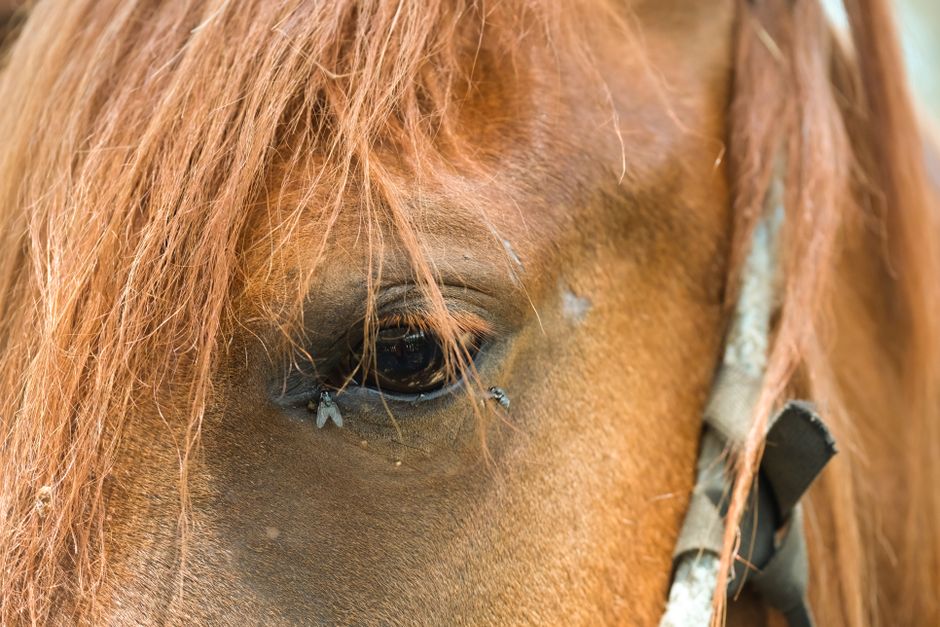
Flies are more than a nuisance. They land on food, surfaces, and trash, and they can carry bacteria from one place to another. Keeping them away comes down to removing what attracts them and using barriers or repellents that actually work. The most effective approach combines cleanliness, physical barriers like screens, and proven repellents such as fans or certain essential oils. No single method works in every situation, but a layered strategy will consistently reduce fly activity in and around your home.
Why Are Flies in Your House in the First Place?
Flies are drawn to specific things. They need food, moisture, and a place to breed. House flies are attracted to decaying organic matter, garbage, pet waste, and spilled food. Fruit flies target overripe produce, fermenting liquids, and drains. Fungus gnats breed in damp soil of houseplants.
If you see flies regularly, something in your environment is feeding them. Finding and removing that source is the first and most important step. Traps and repellents only manage the adults you see. The breeding sites are what keep the population coming.
Common indoor sources include:
- Overripe fruit left on counters
- Open trash cans or bins without lids
- Dirty drains and garbage disposals
- Pet food left out for long periods
- Spills of sugary drinks or food residue
- Damp soil in overwatered houseplants
Take a walk through your kitchen and look for these. Removing them will do more than any spray or trap.
What Keeps Flies Away: Physical Barriers That Work
Prevention is better than reaction. Screens on windows and doors are the most reliable barrier against flies. Check for tears or gaps around the edges. Even a small hole lets flies in.
Door sweeps and weather stripping close gaps under doors. Flies are small and can squeeze through surprisingly narrow openings. Pay attention to the bottom of exterior doors and garage entries.
Keep doors closed when possible. If you need airflow, use a screen door or keep windows screened. This sounds simple, but it is the most effective way to keep flies out of a home.
For outdoor spaces like patios and porches, consider netting or curtains. Mesh curtains over doorways allow people to pass through but block most flying insects. They are common in restaurants and markets for a reason: they work.
Fans: The Overlooked Fly Repellent
Flies are weak fliers. A steady breeze from a fan is enough to keep them away from a specific area. This is why outdoor restaurants use large fans. The airflow makes it difficult for flies to land or maneuver.
Place a fan on your porch, patio, or near an open door. Aim it across the seating area or entry point. A box fan or oscillating fan can cover a meaningful space. This method is safe, chemical-free, and works immediately.
The mechanism is simple. Flies cannot maintain stable flight in strong air currents. They will move to calmer areas. This is one of the most reliable physical methods for keeping flies away from people, food, and gathering spaces.





Natural Repellents: What the Evidence Shows
Many plants and essential oils are marketed as fly repellents. Some have real evidence behind them. Others are more tradition than science.
Research has shown that certain essential oils repel flies in controlled settings. Oils like citronella, lemongrass, eucalyptus, peppermint, and clove have demonstrated repellent properties against various fly species. Studies have tested these oils in laboratory conditions and found they can deter flies from landing on treated surfaces.
However, the effectiveness in real-world conditions is more limited. Essential oils evaporate quickly. A few drops on a cotton ball will not protect a large area for long. For them to work, you need to reapply frequently and use them in enclosed or small spaces.
Plants like basil, lavender, mint, and marigolds are often recommended. Growing them near doors or windows may have a mild effect. But a potted plant will not clear a room of flies. The concentration of aromatic compounds released by a single plant is too low to be a strong repellent.
If you use essential oils, choose a product designed for insect repellency and follow the label directions. Some oils can irritate skin or be toxic to pets, especially cats. Do not assume natural means safe.
Traps and Baits: Managing Existing Fly Problems
Traps do not keep flies away. They catch flies that are already present. They are useful for reducing a population, but they will not stop new flies from entering.
Sticky flypaper works well indoors. Hang it near windows, lights, or garbage areas. Flies are attracted to the sticky surface and get caught. It is inexpensive and does not use chemicals.
Fruit fly traps use vinegar or fermenting liquid to attract and drown flies. Apple cider vinegar with a drop of dish soap in a small container is a classic homemade trap. The soap breaks the surface tension so flies sink and drown.
For outdoor areas, commercial fly traps use baits that attract flies over a larger distance. These can be effective but are best placed away from where people gather. The bait smell is strong and the traps can fill quickly in warm weather.
Electric fly zappers kill flies and other insects. However, research has shown that many zappers attract and kill beneficial insects as well. They are not selective. Some studies suggest that zappers may not reduce fly populations significantly because they attract flies from a wide area, including flies that would not have entered your space otherwise.
Chemical Repellents and Insecticides: When to Use Them
Insecticide sprays kill flies on contact or leave a residual effect on surfaces. They are effective for immediate control but are not a long-term solution. Flies breed faster than sprays can keep up with if the source is not removed.
Permethrin-based sprays are common for outdoor use. They can be applied to patios, decks, and exterior walls. Follow the label instructions carefully. These products can be harmful to bees and aquatic life.
Indoor sprays should be used sparingly. Ventilate the area after use. Do not spray near food, food preparation surfaces, or pet areas. Some products are designed for indoor use and have lower toxicity, but they still require caution.
Space sprays and foggers can knock down adult flies quickly. However, they do not address breeding sites. Flies will return within days if the source remains.
For most homes, chemical insecticides are not necessary. Good sanitation and physical barriers are safer and more effective in the long run. If you have a severe infestation that does not improve with cleaning and trapping, consider contacting a pest control professional.
Outdoor Management: Reducing Flies Around Your Property
Flies breed outside and then find their way inside. Managing the outdoor environment reduces the overall population around your home.
Keep garbage bins clean and covered. Rinse bins periodically to remove residue. Place bins away from doors and windows.
Pet waste is a major breeding site for flies. Pick up dog waste regularly. Do not let it accumulate in the yard.
Compost piles can attract flies. Turn the pile regularly and cover food scraps with dry material like leaves or straw. Avoid adding meat, dairy, or cooked food to an outdoor compost pile unless you manage it carefully.
Standing water attracts some fly species, including biting flies. Check for clogged gutters, birdbaths, and containers that collect water. Empty or clean them regularly.
Overgrown vegetation and tall grass provide shelter for flies. Keep grass mowed and trim shrubs near the house. This reduces resting and breeding sites close to your entry points.
Frequently Asked Questions
What scent keeps flies away the most?
Essential oils like citronella, eucalyptus, peppermint, and lemongrass have shown repellent effects in studies. Their effectiveness fades quickly, so they require frequent reapplication to maintain any real protection.
Does a fan actually keep flies away?
Yes. Flies are weak fliers and cannot navigate strong air currents, so a fan creates a physical barrier they will not cross. This is one of the most reliable and chemical-free methods for outdoor seating areas.
Why are there so many flies in my house all of a sudden?
A sudden increase usually means a breeding source has appeared nearby, such as spoiled food, pet waste, or a dead animal. Locating and removing the source is the only lasting solution.
Do fly traps make the problem worse?
Some traps attract flies from a wide area, which can temporarily increase fly activity around the trap. Place traps away from doors, windows, and gathering areas to avoid drawing flies closer to your home.
Keeping flies away is not about a single magic solution. It is about removing what attracts them, blocking their entry, and using tools that interfere with their movement. Start with sanitation. Add screens and fans. Use traps for existing flies. Chemical products are a last resort, not a first line of defense. This layered approach is what actually works.
