
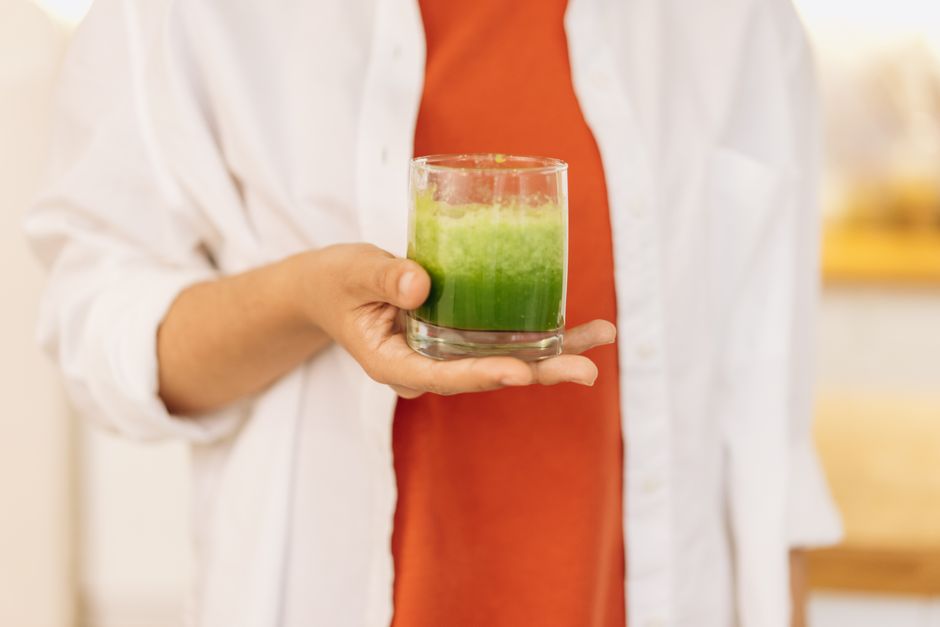
Drinking juice will not transform your skin overnight, but certain juices do supply nutrients your skin actually uses. The six with the best supporting evidence are tomato, orange, pomegranate, carrot, grape, and citrus blends rich in vitamin C. Each one works through a specific nutrient — lycopene, vitamin C, beta-carotene, or polyphenols — rather than through some vague “detox” effect.
Here is the honest part up front. Juice is not a treatment for acne, eczema, or aging. It is a source of nutrients. Some of those nutrients have solid research behind them for skin. Others have early or mixed findings. This article separates the two, and it says plainly when the evidence is thin.
What Juice Is Good For Skin 6 That Actually Work?
Six juices have meaningful nutritional reasons to matter for skin. The list below ranks them by how well the nutrients they carry are understood, not by marketing popularity.
- Tomato juice — rich in lycopene, a carotenoid studied for protection against UV-related skin damage
- Orange juice — high in vitamin C, which the body requires to build collagen
- Pomegranate juice — contains punicalagins and other polyphenols under study for skin
- Carrot juice — a concentrated source of beta-carotene, which the body converts to vitamin A
- Grape juice — contains resveratrol and other polyphenols, though at modest levels
- Citrus blends (grapefruit, lemon, lime) — vitamin C plus flavonoids, with the same collagen caveat as orange juice
Notice what is missing from this list: celery juice, cucumber juice, and most “glow” juices sold at premium prices. There is no clinical evidence that these do anything for skin beyond hydration and whatever vitamins they happen to contain.
How Does Juice Actually Affect Your Skin?
Skin is an organ that turns over constantly, and it needs specific raw materials to do that. Vitamin C is required for collagen synthesis — without it, the body cannot properly form collagen, which is why scurvy causes skin breakdown and poor wound healing. Vitamin A and its precursors support skin cell turnover. Vitamin E and various polyphenols act as antioxidants.
Juice can deliver some of these. That is the real mechanism. It is not “flushing toxins” or “hydrating from within” in any special way — plain water hydrates skin fine. The benefit, where it exists, comes from nutrients.
Two limits matter. First, juicing removes most fiber, so nutrients arrive faster and blood sugar rises faster than eating the whole fruit. Second, many vitamins in juice are water-soluble and the body uses what it needs and excretes the rest. More is not better.
Does Tomato Juice Really Protect Skin From Sun Damage?
Lycopene, the pigment that makes tomatoes red, accumulates in skin and has been studied for reducing sensitivity to ultraviolet light. This is one of the better-researched juice-and-skin connections.
Some studies have found that people who consumed tomato paste or tomato juice daily showed measurable reductions in skin reddening after UV exposure compared with controls. The effect is real in the studies, but it is modest. It is not a substitute for sunscreen, and no researcher has claimed it is.
Cooking tomatoes increases lycopene availability, so tomato paste and cooked tomato products may deliver more than raw juice. If you drink tomato juice for this reason, know that you are getting a small supporting effect, not meaningful sun protection.





Which Juice Has the Most Vitamin C for Collagen?
Orange juice and other citrus juices are the most familiar vitamin C sources, and vitamin C’s role in collagen formation is not in dispute. It is a required cofactor for the enzymes that stabilize collagen. Without adequate vitamin C, collagen cannot be properly made.
Here is where honesty matters. Getting enough vitamin C prevents deficiency and supports normal collagen production. Getting extra vitamin C beyond that does not appear to boost collagen above normal levels in well-nourished people. The idea that drinking large amounts of orange juice “builds collagen” and smooths wrinkles is not supported by evidence in people who already eat adequate vitamin C.
Most adults meet vitamin C needs through diet without trying. If your diet is poor in fruits and vegetables, citrus juice can help fill the gap. If it is not, more juice does not add skin benefit.
Is Pomegranate Juice Good for Skin?
Pomegranate juice contains punicalagins and other polyphenols that show antioxidant activity in laboratory studies. Some small human studies have looked at pomegranate extracts for skin, with results that are interesting but not conclusive.
The evidence here is genuinely limited. Most pomegranate research uses concentrated extracts or topical preparations, not the juice you buy at the store. Whether drinking pomegranate juice produces meaningful skin changes in people has not been established in large trials. It is a reasonable source of polyphenols. It is not a proven skin treatment.
Do Carrot and Grape Juice Help Your Skin?
Carrot juice is a strong source of beta-carotene, which the body converts to vitamin A. Vitamin A is genuinely important for skin — severe deficiency causes rough, dry skin and poor healing. But excess beta-carotene does not improve skin beyond correcting a deficiency, and very high intake can turn skin orange, a harmless condition called carotenemia.
Grape juice contains resveratrol, a polyphenol that gets a lot of attention. The catch is dose. Resveratrol research often uses concentrations far higher than what grape juice provides. Some studies suggest polyphenols may support skin, but the evidence for grape juice specifically is weak. Treat it as a pleasant source of antioxidants, not a skin remedy.
What Juice Does Not Do for Skin
Several popular claims do not hold up. Celery juice has no clinical evidence supporting skin benefits despite widespread marketing. Juice “detoxes” are not based on how the body works — the liver and kidneys handle that, and no juice improves their function in a healthy person. And no juice reverses wrinkles, treats acne, or replaces dermatologic treatment.
There is also a risk worth naming. Juice is high in sugar and low in fiber. Drinking a lot of it regularly can raise blood sugar and add calories. For people with diabetes or prediabetes, this matters. Whole fruit is generally the better choice because fiber slows sugar absorption and supports fullness.
| Juice | Key Nutrient | Evidence Strength |
|---|---|---|
| Tomato | Lycopene | Some human studies, modest effect |
| Orange | Vitamin C | Strong for deficiency, not for extra benefit |
| Pomegranate | Polyphenols | Limited, mostly lab and extract studies |
| Carrot | Beta-carotene | Strong for deficiency only |
| Grape | Resveratrol | Weak for juice specifically |
| Citrus blends | Vitamin C, flavonoids | Same as orange juice |
How Should You Fit Juice Into a Skin-Friendly Diet?
If you enjoy juice, treat it as one part of a diet rich in whole fruits and vegetables. The nutrients that support skin — vitamin C, vitamin A precursors, vitamin E, zinc, and various polyphenols — come from a range of foods, not one drink.
Practical points that rest on solid nutrition science:
- Choose 100% juice, not juice drinks with added sugar
- Keep portions modest — juice is concentrated sugar even when natural
- Eat whole fruit when you can; it has fiber juice lacks
- Do not rely on any juice for sun protection
- If you have diabetes, talk to your clinician about juice
No juice replaces sunscreen, sleep, not smoking, or dermatologic care for a skin condition. Those factors have far more evidence behind them than any drink.
Frequently Asked Questions
What is the best juice for glowing skin?
Tomato juice has the most direct human evidence, mainly for lycopene’s modest effect on UV sensitivity. Orange juice supports normal collagen formation if you are low on vitamin C. No juice produces a glow on its own.
Can drinking juice really clear up acne?
No clinical evidence shows that any juice clears acne. Acne has multiple causes including hormones, bacteria, and inflammation, and it is treated with dermatologic care, not beverages.
Is it better to eat fruit or drink juice for skin?
Whole fruit is generally better because it provides fiber that slows sugar absorption. Juice can still contribute nutrients, but it delivers sugar faster and with less fiber.
How much juice should I drink for skin benefits?
There is no established clinical guideline for a juice amount tied to skin benefits. Keep portions modest and get most of your nutrients from whole foods.
