
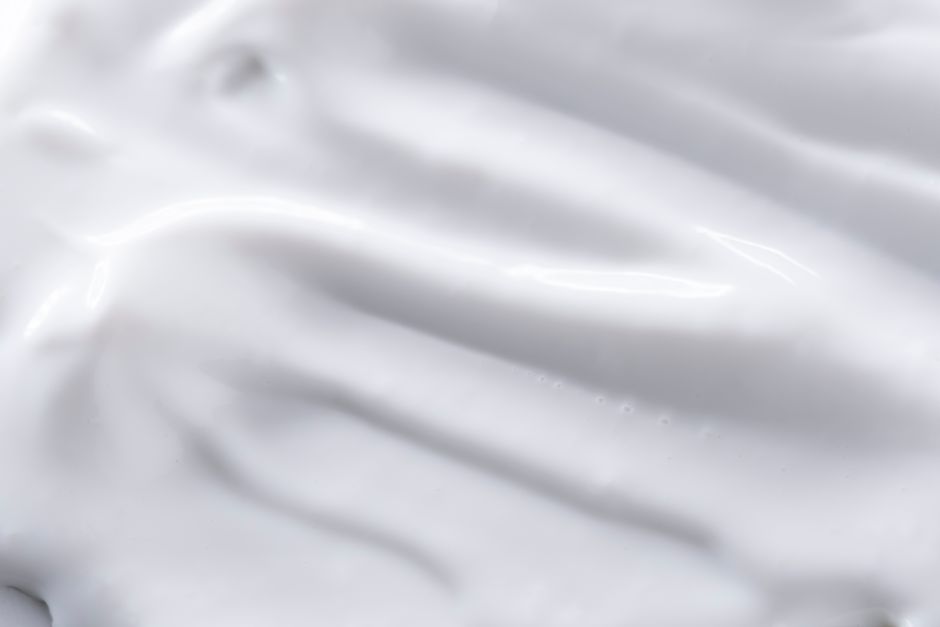
Whipping cream and heavy cream are both dairy products made from the high-fat layer of fresh milk. The main difference comes down to butterfat content, which affects how well they whip and how they behave in recipes. Heavy cream contains slightly more fat than whipping cream, making it thicker and more stable when whipped.
What Is Whipping Cream And Heavy Cream? Explained
Both creams start the same way. Milk sits until the fat rises to the top, or a machine spins the milk to separate the fat. That collected fat is cream. What separates one cream from another is simply the percentage of butterfat.
In the United States, the Food and Drug Administration sets legal standards for these labels. Heavy cream must contain at least 36% milkfat. Whipping cream must contain at least 30% but less than 36%. That difference may sound small, but it changes how each cream performs in the kitchen.
Light cream and half-and-half have even less fat. Half-and-half ranges from 10.5% to 18% butterfat, and light cream sits between 18% and 30%. Neither whips into stiff peaks because they do not have enough fat to hold air.
How Does Butterfat Affect Whipping?
When you whip cream, you are forcing air bubbles into the liquid. The fat globules in the cream trap those bubbles and hold them in place. More fat means a more stable structure.
Heavy cream whips faster than whipping cream and produces stiffer, more stable peaks. Whipping cream also whips, but the peaks are softer and may deflate faster. If you plan to pipe whipped cream onto a dessert hours ahead, heavy cream is the better choice.
Overwhipping is a real risk with both. Once cream passes the stiff peak stage, it quickly turns grainy and then becomes butter. This happens because the fat globules clump together and separate from the liquid. The process is reversible only up to a point — once it becomes butter, it will not go back to whipped cream.
Which One Should You Use for Cooking?
Recipes usually specify one or the other for a reason. Sauces, soups, and custards rely on the fat content for texture and stability.
Heavy cream is the standard choice for making ganache, ice cream bases, and cream sauces that need to hold up to heat. The higher fat content makes it less likely to curdle when simmered or mixed with acidic ingredients like tomatoes or wine.
Whipping cream works fine for lighter sauces and for folding into dishes where you want creaminess without excessive richness. It also whips well enough for a casual dessert topping served right away.
One common substitution question: can you swap one for the other? Yes, in most cooked dishes. The texture will be slightly different, but the dish will still work. For whipped toppings that need to hold their shape, heavy cream is the safer choice.





Nutritional Differences Between Heavy Cream and Whipping Cream
The fat difference shows up in the nutrition numbers. Heavy cream has more calories and more saturated fat per serving than whipping cream because it contains more butterfat.
Both creams are primarily fat with almost no carbohydrates or protein. A standard serving of heavy cream contains roughly 50 calories and 5 grams of fat per tablespoon. Whipping cream is slightly lower — around 45 calories and 4.5 grams of fat per tablespoon. These are approximate values that vary slightly by brand.
Neither cream is a significant source of vitamins or minerals. Cream does contain small amounts of vitamin A, which is a fat-soluble vitamin naturally present in dairy fat. The amounts are not large enough to make cream a meaningful dietary source.
For people watching saturated fat intake, both creams should be used sparingly. The American Heart Association recommends limiting saturated fat, and cream is one of the more concentrated sources in a typical diet.
What About Heavy Cream vs. Heavy Whipping Cream?
You may see labels that say “heavy whipping cream.” This is the same product as heavy cream. The name simply combines two legal terms. It still means at least 36% milkfat.
Some brands use one label and some use the other. There is no functional difference. If a recipe calls for heavy cream and you have heavy whipping cream, use it without concern.
Whipping cream, sometimes labeled “light whipping cream,” is the 30% to 36% option. It is not the same as light cream, which is a separate product with less fat. Reading the label carefully matters because the names sound similar.
Does Pasteurization or Ultra-Pasteurization Matter?
Most commercial cream is pasteurized to kill harmful bacteria. The standard method heats cream to about 165°F for a short time. Ultra-pasteurized cream is heated to about 280°F for a very brief period, which gives it a longer shelf life.
Ultra-pasteurized cream is common in grocery stores because it lasts for weeks rather than days. The trade-off is that it whips less reliably. The high heat changes some proteins in the cream, making it slightly harder to whip to stiff peaks.
If you have problems getting ultra-pasteurized cream to whip, chilling the bowl and beaters helps. Some cooks add a small amount of cream of tartar or gelatin to stabilize it, though this changes the texture slightly. Raw cream, if you can find it from a local farm, whips beautifully but carries a higher risk of foodborne illness, especially for pregnant women, older adults, and people with weakened immune systems.
How to Store Cream and How Long Does It Last?
Cream should stay refrigerated at all times. It is a perishable dairy product and will spoil if left at room temperature for more than two hours.
An unopened container of pasteurized cream lasts about one to two weeks past the sell-by date if kept cold. Ultra-pasteurized cream lasts longer — often several weeks. Once opened, both should be used within seven to ten days.
Signs of spoilage include a sour smell, lumpy texture, or separation that does not reincorporate when shaken. Cream can also develop off-flavors from absorbing odors in the refrigerator. Keep it sealed and store it on an interior shelf rather than in the door, where temperatures fluctuate more.
Can you freeze cream? Yes, but with caveats. Cream freezes well for cooking purposes but does not whip well after thawing. The freezing process damages the fat structure, so thawed cream is best used in soups, sauces, or baked goods. Freeze it in an ice cube tray for easy portioning, then transfer the cubes to a freezer bag.
Plant-Based Whipping Creams and Alternatives
Dairy-free whipped toppings are widely available. Most are made from coconut cream, soy, or a blend of vegetable oils. Coconut cream whips well because it has a high fat content, similar to dairy cream.
Coconut cream behaves differently from dairy cream. It must be chilled thoroughly before whipping, and it has a distinct coconut flavor. Some brands mask this with sweeteners and flavorings, but the taste is still noticeable.
Soy-based and oil-based whipped toppings are often sold pre-whipped in aerosol cans. They hold their shape well but have a different mouthfeel than freshly whipped dairy cream. Some contain hydrogenated oils, so checking the ingredient list is worthwhile if you are trying to avoid trans fats.
No plant-based alternative whips exactly like dairy cream. The structure and flavor are different. For people who cannot consume dairy, these products are useful substitutes, but they are not identical replacements in recipes.
Common Myths About Heavy Cream and Whipping Cream
One persistent myth is that heavy cream and whipping cream are interchangeable in every recipe. As discussed, they are close but not identical. The lower fat content of whipping cream means softer peaks and slightly less stability.
Another myth is that cream is “bad” for you because it is pure fat. Cream is calorie-dense, and excessive consumption contributes to weight gain, but it is not inherently toxic or unhealthy. The research on full-fat dairy and heart disease is mixed. Some studies suggest fermented dairy like yogurt may be neutral or beneficial, while the evidence for cream specifically is limited.
Some people believe that cream cannot be part of a healthy diet at all. That is not accurate. Small amounts of cream can fit into a balanced diet. The issue is portion size, not the food itself.
A final myth is that you can tell the difference between heavy cream and whipping cream by taste alone. Most people cannot. The difference is in texture and behavior, not flavor. Heavy cream tastes slightly richer, but the difference is subtle.
Frequently Asked Questions
Can I use heavy cream instead of whipping cream?
Yes, in most recipes you can substitute heavy cream for whipping cream. The result will be slightly richer and the whipped cream will hold its shape longer.
What is the difference between heavy cream and heavy whipping cream?
There is no difference. They are two names for the same product, both containing at least 36% milkfat.
Why will my cream not whip into stiff peaks?
Several factors prevent whipping: cream that is not cold enough, a warm bowl, or cream with too little fat. Chill the cream, bowl, and beaters for best results.
Can I freeze leftover heavy cream?
Yes, you can freeze heavy cream for cooking and baking. Thawed cream will not whip well, so use it in soups, sauces, or baked goods instead.
